
Case Study: Successful Generator Installation in Shelby Township
AT
Introduction
In recent years, the demand for reliable backup power solutions has surged, particularly in regions susceptible to power outages. This case study explores a successful generator installation in Shelby Township, highlighting the critical steps, challenges, and outcomes of the project.

Understanding the Client's Needs
The client, a small business owner, faced frequent power interruptions that disrupted operations and affected revenue. They required a dependable generator solution to ensure uninterrupted service and safeguard sensitive equipment.
After a thorough consultation, we identified the client's key requirements: a high-capacity generator with automatic transfer capabilities, minimal noise, and efficient fuel consumption. These factors were crucial to maintaining business continuity during outages.
Project Planning and Execution
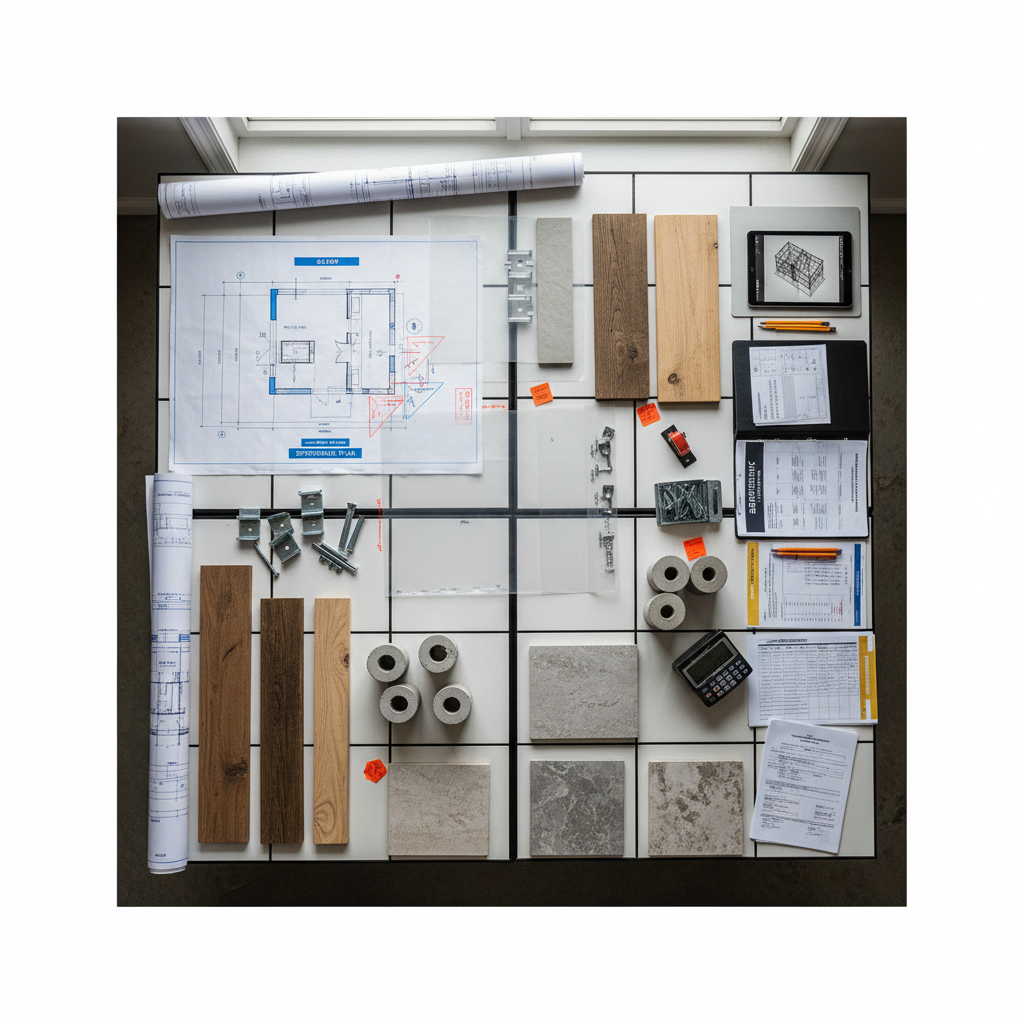
Once the requirements were established, the project team devised a detailed plan. This included selecting a suitable generator model, designing the installation layout, and scheduling the implementation to ensure minimal disruption to business operations.
- Selecting a generator model that meets power and efficiency needs.
- Designing a layout to optimize space and functionality.
- Coordinating with local authorities for necessary permits.
Overcoming Challenges
Throughout the project, the team encountered several challenges, such as obtaining permits and addressing unexpected site conditions. However, proactive communication with stakeholders and a flexible approach allowed the team to navigate these hurdles effectively.
The installation also required careful coordination with electricians and technicians to ensure seamless integration with the existing power system.
Installation and Testing
With the groundwork laid, the installation proceeded smoothly. The team followed strict safety protocols and quality standards to install the generator and connect it to the building's power system.

After installation, rigorous testing was conducted to verify the generator's performance under various load conditions. The tests confirmed the system's reliability, efficiency, and compliance with all regulatory requirements.
Outcome and Client Satisfaction
The project was completed on time and within budget, much to the client's satisfaction. The new generator provided peace of mind, ensuring that power disruptions no longer posed a threat to business operations.
Feedback from the client highlighted the professionalism and expertise of the installation team, as well as the effectiveness of the solution in addressing their power needs.
Conclusion
This successful generator installation in Shelby Township underscores the importance of tailored solutions and meticulous planning in achieving client satisfaction. It serves as a model for future projects, demonstrating the value of expertise and collaboration in delivering reliable backup power solutions.