Choosing the Right Generator for Your Home: A Buyer’s Guide
AT
Understanding Your Power Needs
When it comes to selecting the perfect generator for your home, the first step is understanding your power needs. Consider which appliances and systems you need to keep running during a power outage. This typically includes essentials like the refrigerator, heating system, and lighting. A clearer understanding of your energy requirements will help you choose a generator with the appropriate wattage.

Types of Generators
Portable Generators
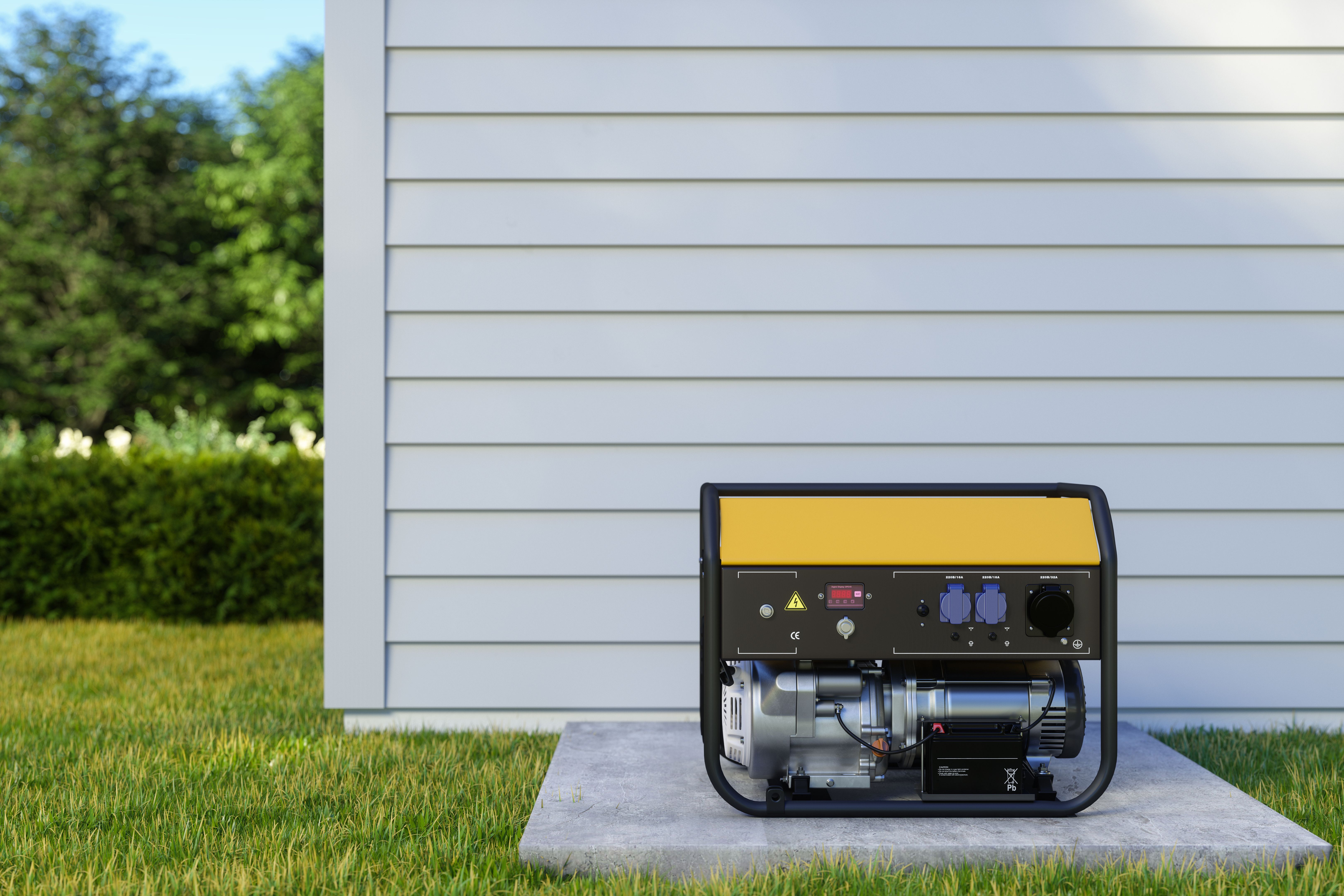
Portable generators are versatile and can be moved to different locations as needed. They’re ideal for short-term outages and can power essential appliances. However, they require manual setup and fuel storage, usually gasoline or diesel.
Standby Generators
Standby generators are permanently installed outside your home and connected to your electrical system. They automatically kick in when the power goes out, providing a seamless transition. These generators are typically powered by natural gas or propane.

Fuel Type Considerations
The type of fuel your generator uses is a crucial factor. Common options include gasoline, diesel, natural gas, and propane. Each has its pros and cons, such as availability, cost, and storage requirements. Consider what is most accessible and cost-effective for your location.
Key Features to Look For
When selecting a generator, look for features that enhance convenience and safety. Automatic start, low-oil shutoff, and carbon monoxide detectors are important. Additionally, consider the noise level and choose a model with a quiet operation if possible.
Budget and Warranty
Your budget will significantly impact your choice. Portable generators are generally less expensive than standby models. However, consider long-term savings and reliability. Also, review the warranty offered by the manufacturer, as this can provide peace of mind and protection for your investment.
Installation and Maintenance
Proper installation is crucial, especially for standby generators. Hiring a professional ensures compliance with local codes and safety standards. Regular maintenance, including oil changes and inspections, is essential to keep your generator in top working condition.
Conclusion
Choosing the right generator for your home involves careful consideration of your power needs, type preferences, and budget. By understanding these factors and exploring available options, you can make an informed decision that ensures your home remains powered during outages. Investing in a quality generator not only provides convenience but also peace of mind.