Common Electrical Myths: What Every Michigan Homeowner Should Know
AT
Understanding Electrical Safety
Electrical systems are a crucial part of every home, yet many homeowners in Michigan are often misled by common myths. These misconceptions can lead to unsafe practices and unnecessary expenses. Understanding the truth about these myths is essential for maintaining a safe and efficient home.
Myth 1: Turning Off a Device Stops Electricity Consumption
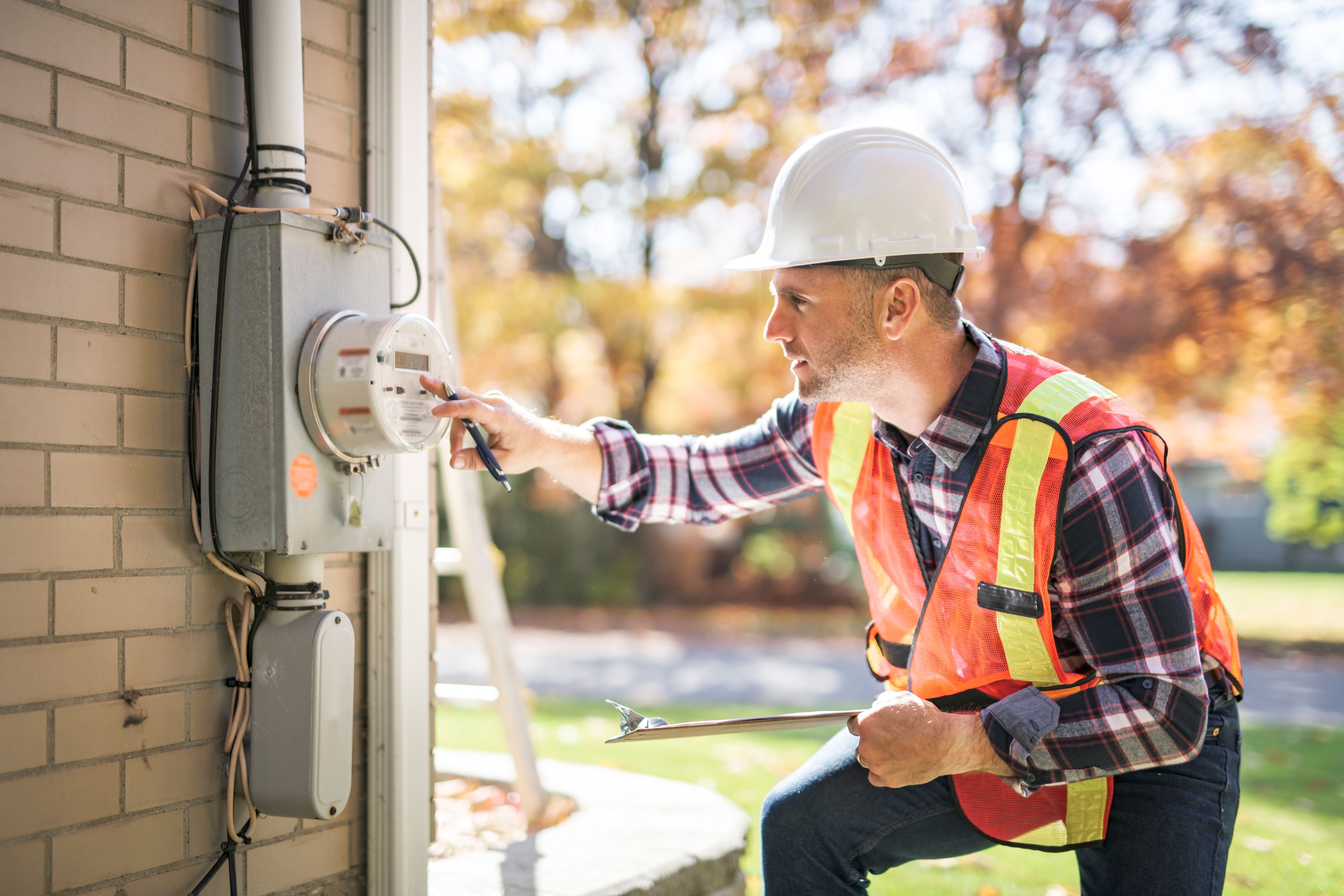
Many people believe that simply turning off a device completely halts its electricity usage. However, this is not always the case. Devices in standby mode, such as televisions and computers, can still consume power—often referred to as "phantom load." To truly stop energy consumption, unplugging the device is necessary.
Myth 2: DIY Electrical Work is Safe
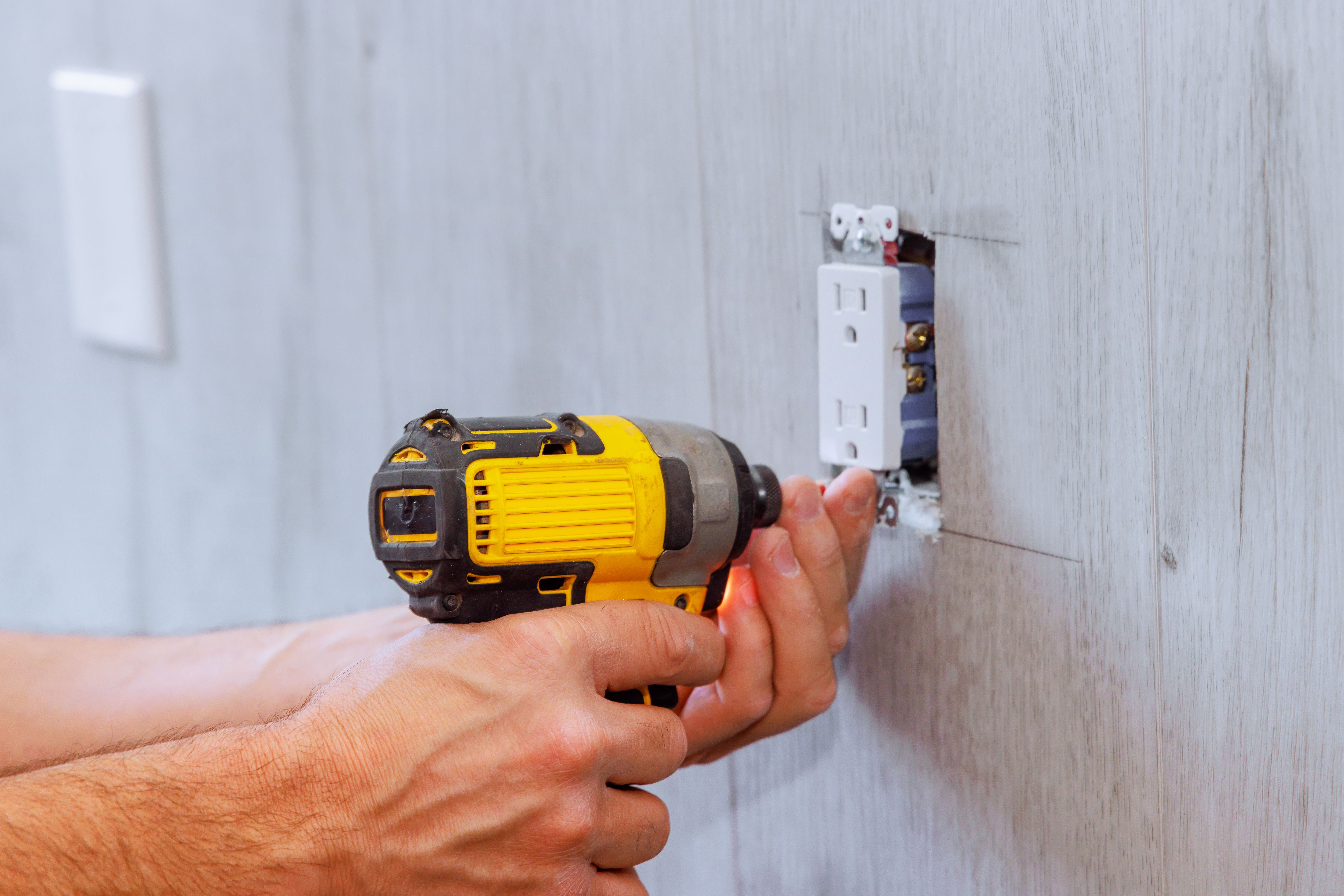
While it's tempting to tackle electrical projects on your own to save money, DIY electrical work can be dangerous. Incorrect installations can lead to fires, electrocution, or costly repairs. It's always best to hire a licensed electrician to ensure the work is done safely and up to code.
The Truth About Circuit Breakers
Circuit breakers are often misunderstood. A common myth is that resetting a tripped breaker is all that's needed to fix the problem. However, frequent tripping indicates an underlying issue like overloaded circuits or faulty wiring that needs professional attention. Ignoring these signs can pose serious safety risks.
Myth 3: All Light Bulbs Are the Same
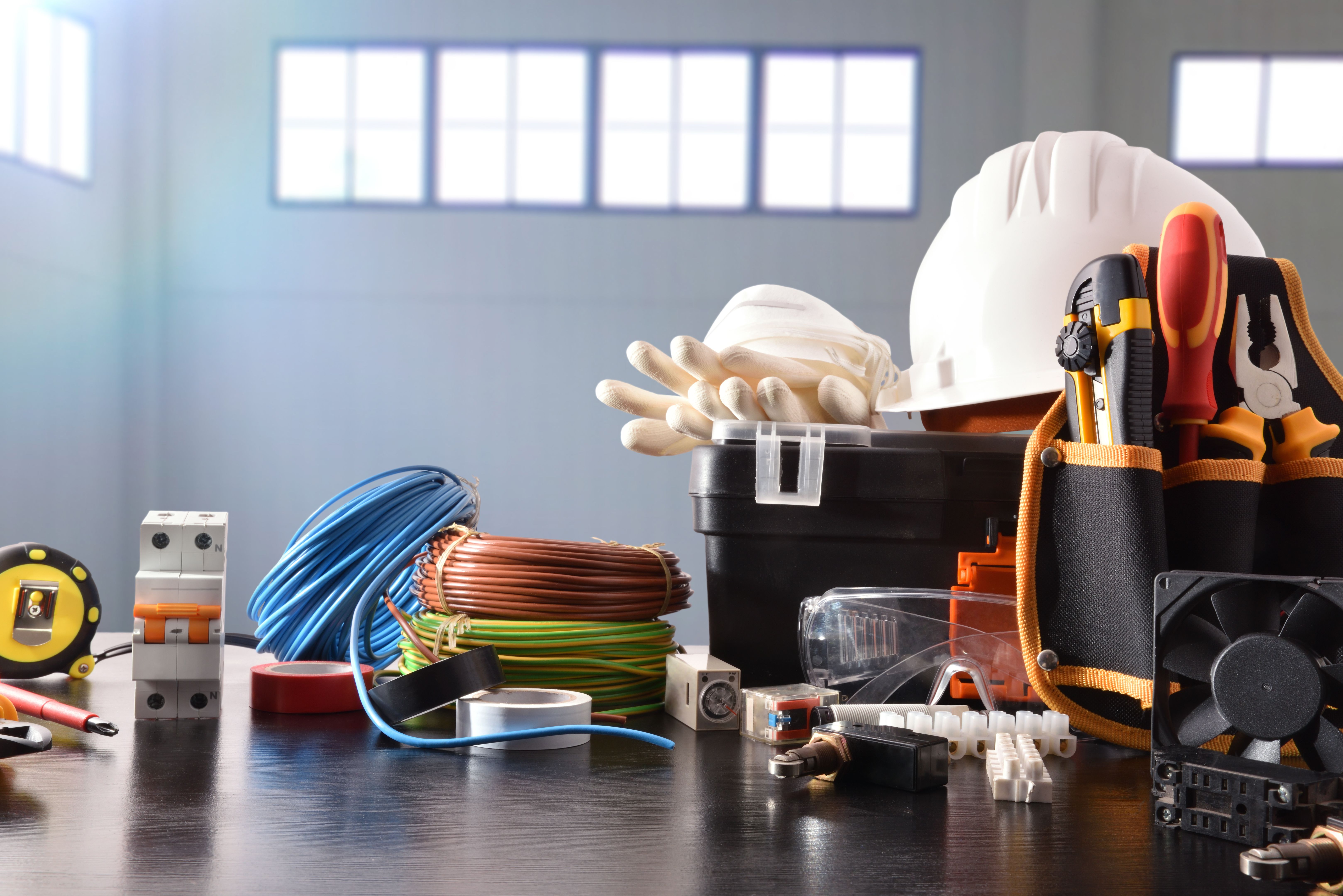
Not all light bulbs are created equal. Using the wrong type or wattage can lead to excessive heat and potential fire hazards. Always ensure that the bulb matches the fixture’s specifications, and consider switching to energy-efficient LED bulbs for better performance and savings.

Grounding and Electrical Safety
A myth persists that grounding is only necessary for homes with older wiring. In reality, grounding is a critical safety feature in every home, old or new. It helps protect against electrical surges and shocks, ensuring that excess electricity is safely directed away from the home.
Myth 4: Power Strips and Surge Protectors Are the Same
Many homeowners use these terms interchangeably, but they serve different purposes. Power strips simply provide more outlets, while surge protectors shield devices from voltage spikes. Investing in quality surge protectors is crucial for protecting expensive electronics.
Conclusion
By debunking these common electrical myths, Michigan homeowners can take proactive steps to enhance the safety and efficiency of their homes. Always prioritize professional guidance for electrical concerns and stay informed to ensure your home remains a safe haven.