Common Electrical Myths Debunked: What Homeowners Need to Know
AT
Understanding Common Electrical Myths
Electricity is a fundamental part of our daily lives, yet many homeowners are misinformed about how it works. These misconceptions can lead to safety hazards and costly mistakes. Let's debunk some common electrical myths to help you stay informed and safe.
Myth 1: Low Voltage Means Low Danger
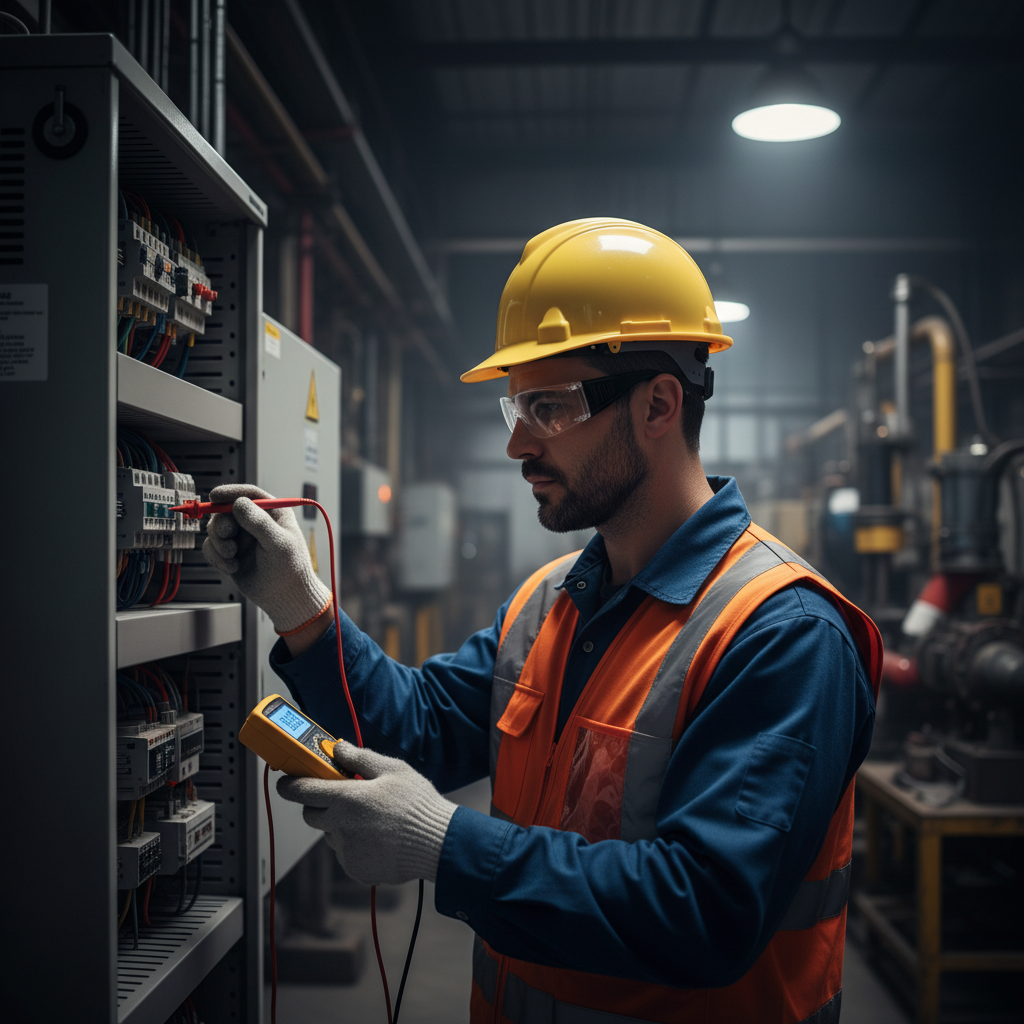
Many people believe that low voltage appliances or systems are inherently safe. However, even low voltage can pose significant risks. Electrical shocks, burns, and fires can occur if these systems are not handled properly. Always treat electricity with respect, regardless of voltage.
When working with any electrical system, ensure that you take appropriate safety measures and consult with professionals if you're unsure.
Myth 2: Power Strips Are the Same as Surge Protectors
There's a common misconception that power strips and surge protectors offer the same level of protection. While power strips provide additional outlets, they do not protect against power surges. Surge protectors, on the other hand, are designed to protect your devices from voltage spikes.
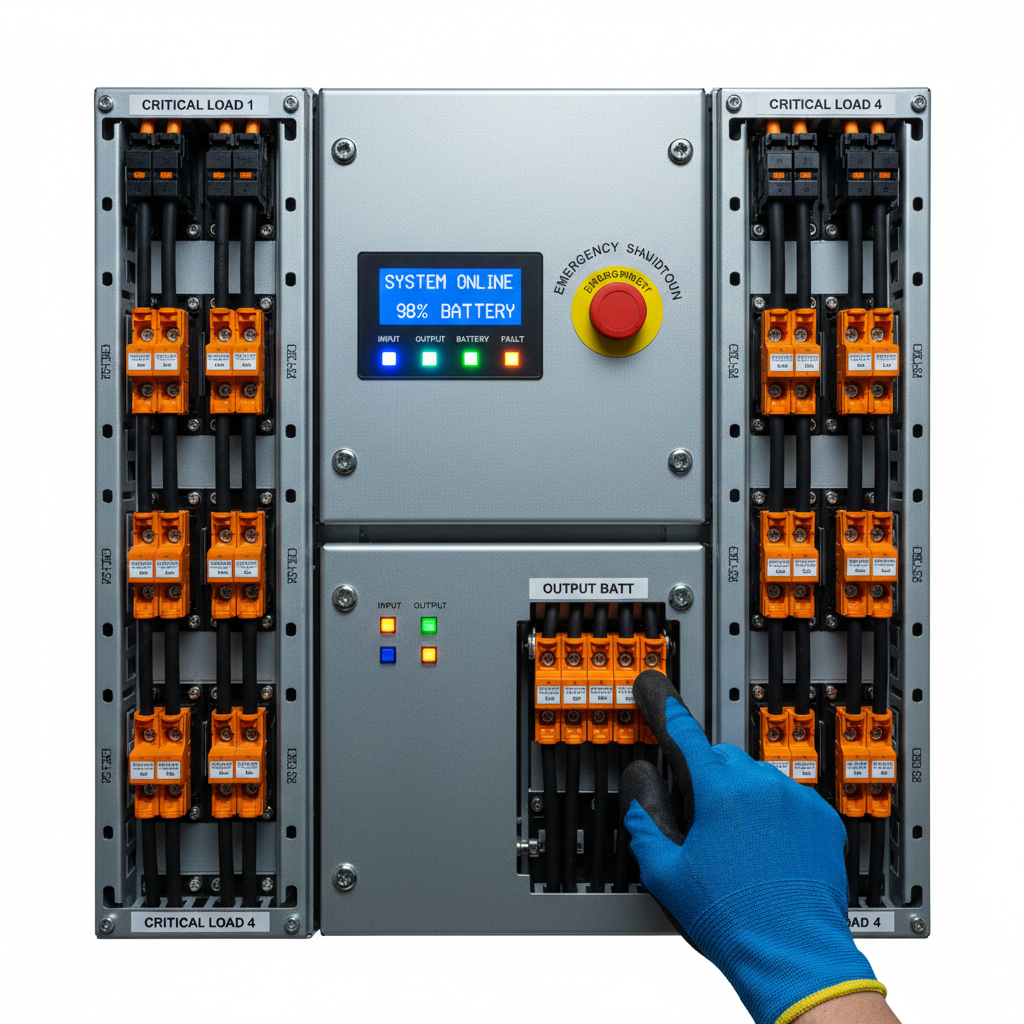
Investing in a good surge protector is crucial to safeguarding your electronics, especially during storms or in areas with unstable power supply.
Myth 3: You Can DIY All Electrical Repairs
With the rise of DIY culture, many homeowners feel confident tackling electrical repairs themselves. However, electrical work can be extremely dangerous if not done correctly. Mistakes can lead to short circuits, fires, or even electrocution.
It's always best to hire a licensed electrician for any significant electrical work. They have the expertise and tools to ensure everything is up to code and safe.
Myth 4: Only Old Homes Have Electrical Problems
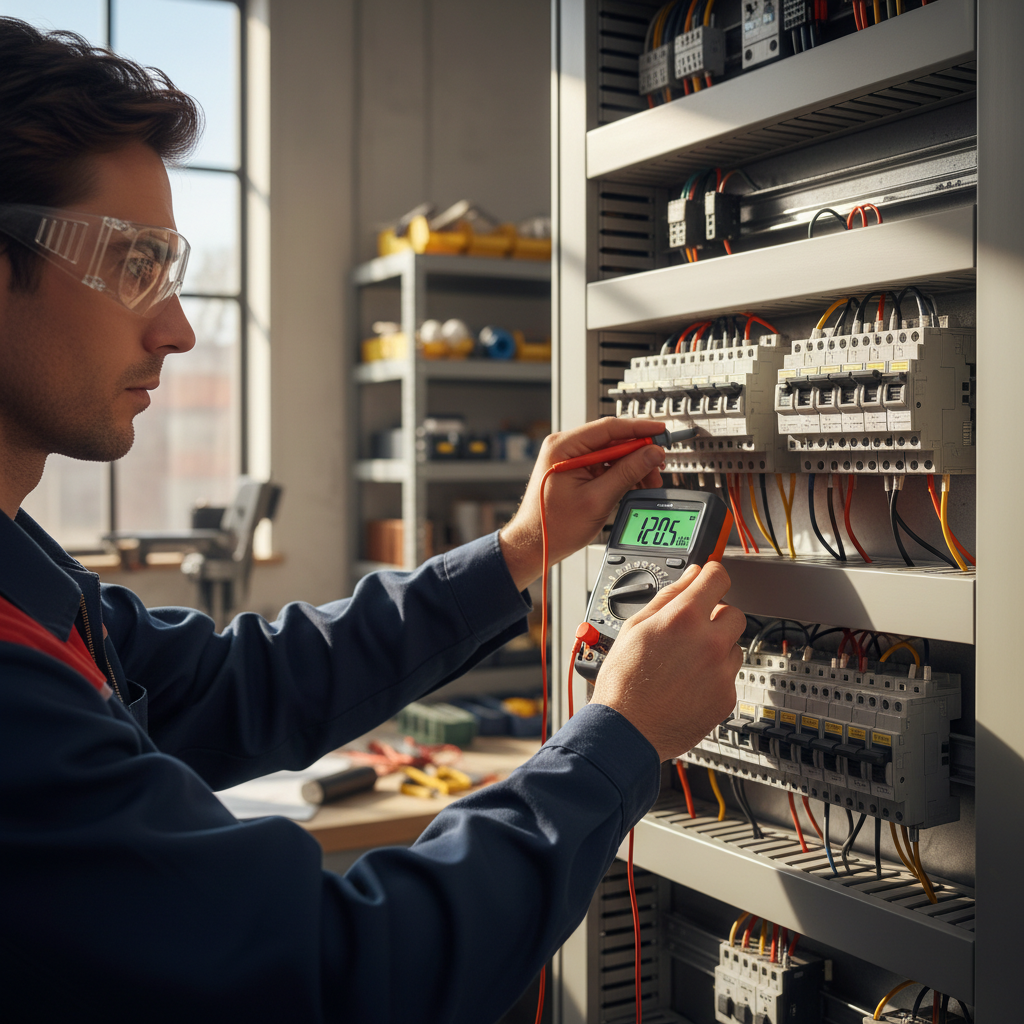
While older homes are more prone to electrical issues due to outdated wiring, newer homes are not immune. Poor installation, substandard materials, or even environmental factors can cause problems in new constructions.
Regular inspections by a qualified electrician can help identify and rectify issues before they become serious, regardless of your home's age.
Myth 5: Flickering Lights Are Nothing to Worry About
Flickering lights might seem like a minor annoyance, but they can indicate a significant problem, such as loose wiring or an overloaded circuit. Ignoring these signs can lead to more severe electrical failures.
If you notice persistent flickering, it's wise to have an electrician investigate the cause to prevent potential hazards.

Stay Informed and Safe
Understanding these common myths and the realities behind them can help you maintain a safer home environment. Always prioritize safety and consult with professionals when dealing with electrical systems. Remember, knowledge is power when it comes to electricity!