Common Electrical Myths Debunked by Experts
AT
Understanding Electrical Myths
Electricity is a field filled with misconceptions, many of which can lead to unsafe practices or costly mistakes. It's crucial to separate fact from fiction to ensure safety and efficiency. In this post, we debunk some common electrical myths with insights from industry experts.
Myth 1: Low Voltage Means Low Danger
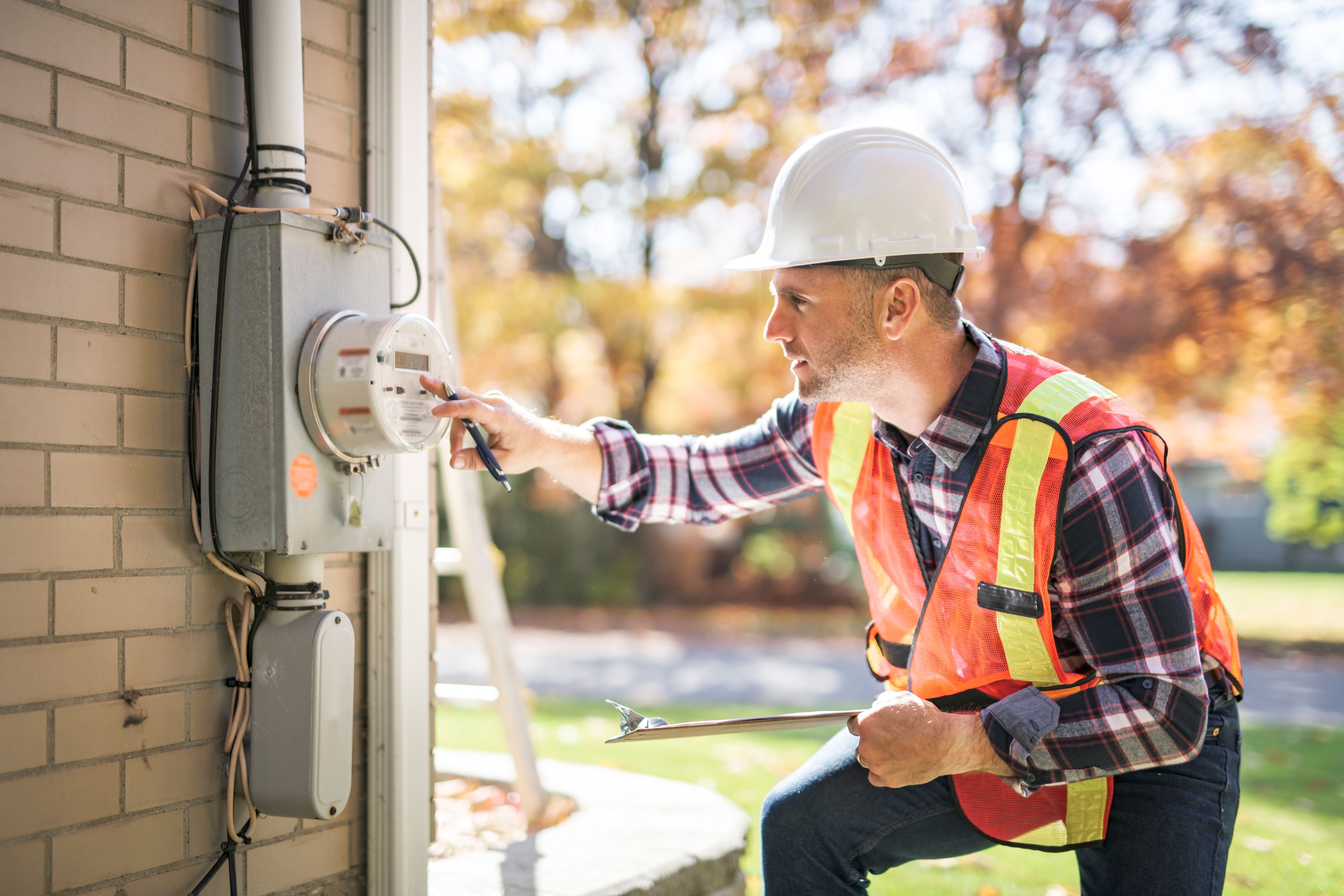
A pervasive myth is that low voltage is harmless. While it's true that high voltage poses a significant risk, low voltage can still be dangerous. It can lead to electric shock or start a fire. Electrical experts emphasize that any voltage can be hazardous under certain conditions.
It's essential to respect all electrical systems and work with proper safety measures in place. Even a simple household outlet can cause harm if mishandled.
Myth 2: Rubber Gloves Are All You Need for Protection
Many believe that wearing rubber gloves provides adequate protection against electrical shocks. However, not all rubber gloves are created equal. Only those specifically designed for electrical work offer the necessary insulation.
Professionals recommend using certified insulating gloves, along with other personal protective equipment, to ensure complete safety when working with electricity.
Myth 3: Power Strips Can Handle Unlimited Devices
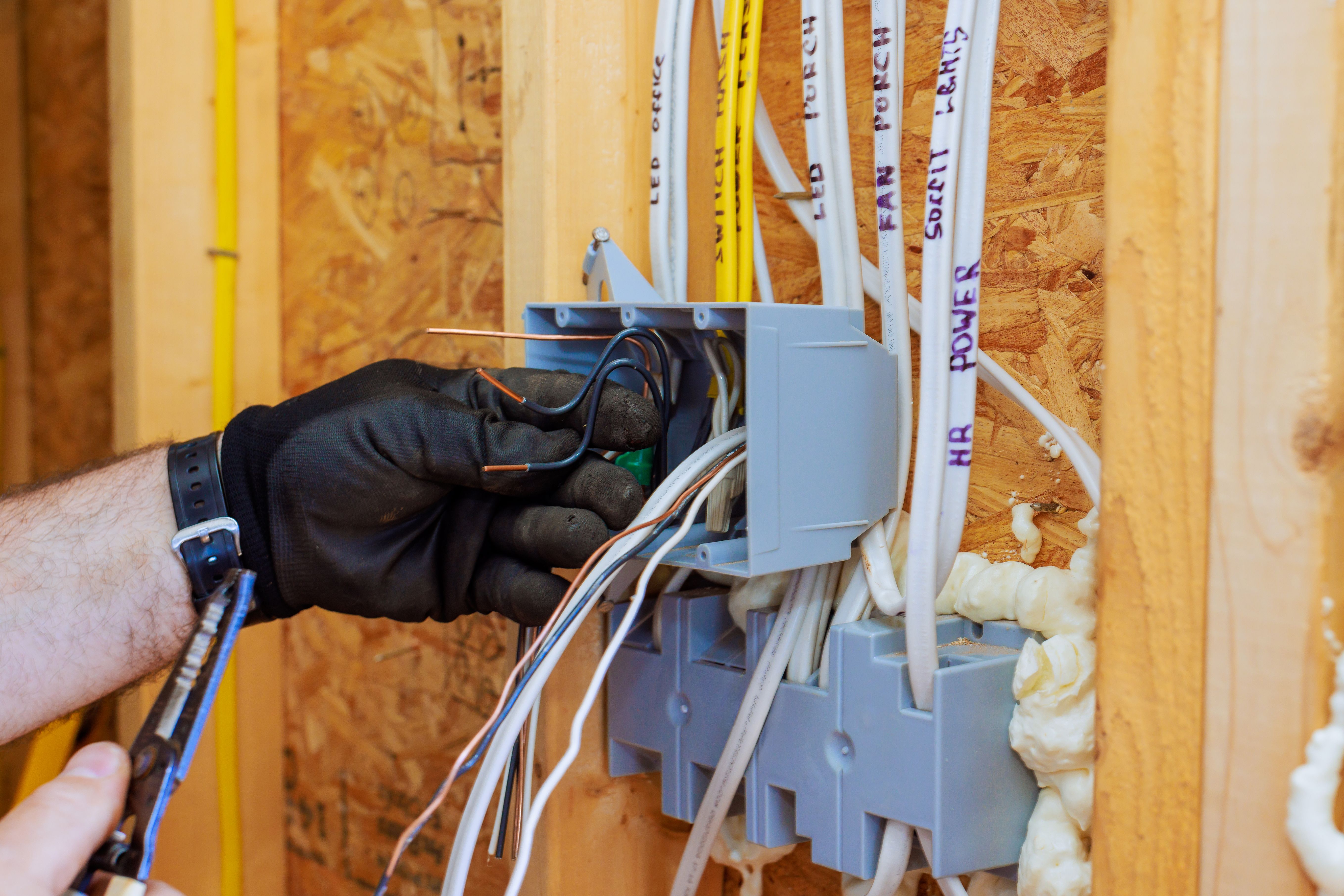
Power strips are commonly used to extend the number of available outlets. However, a dangerous myth is that they can handle an unlimited number of devices. Overloading a power strip can lead to overheating and even fires.
Experts advise checking the power strip's capacity and ensuring that the total wattage of connected devices does not exceed its rating. It's also a good practice to use power strips with built-in surge protection.
Myth 4: Old Wiring Is Always Safe If It Works
Some homeowners believe that if their old electrical wiring is still functioning, it must be safe. However, outdated wiring can pose significant risks, including electrical fires and inefficiencies.
Regular inspections by a qualified electrician can help identify potential hazards. Upgrading to modern wiring systems can improve safety and energy efficiency.
Myth 5: DIY Electrical Work Saves Money
While it might seem like a cost-saving measure, attempting DIY electrical work can lead to dangerous situations and increased expenses in the long run. Mistakes can cause severe damage or pose safety risks.
Consulting with a licensed electrician ensures that work is performed correctly and safely. It often saves money by preventing mistakes that could lead to costly repairs.
Conclusion: Stay Informed and Safe
Understanding these myths and the realities behind them can significantly enhance safety and efficiency in dealing with electrical systems. Always prioritize safety and consult professionals when in doubt.
Staying informed and cautious can prevent accidents, save money, and ensure that electrical systems serve you well without risks.