Common Electrical Myths Debunked by Experts
AT
Understanding Common Electrical Myths
Electricity is fundamental to our daily lives, yet it's often misunderstood. Various myths and misconceptions have developed over time, leading to confusion and sometimes hazardous situations. In this article, we debunk some common electrical myths with insights from experts in the field.
Myth 1: Low Voltage Means No Danger
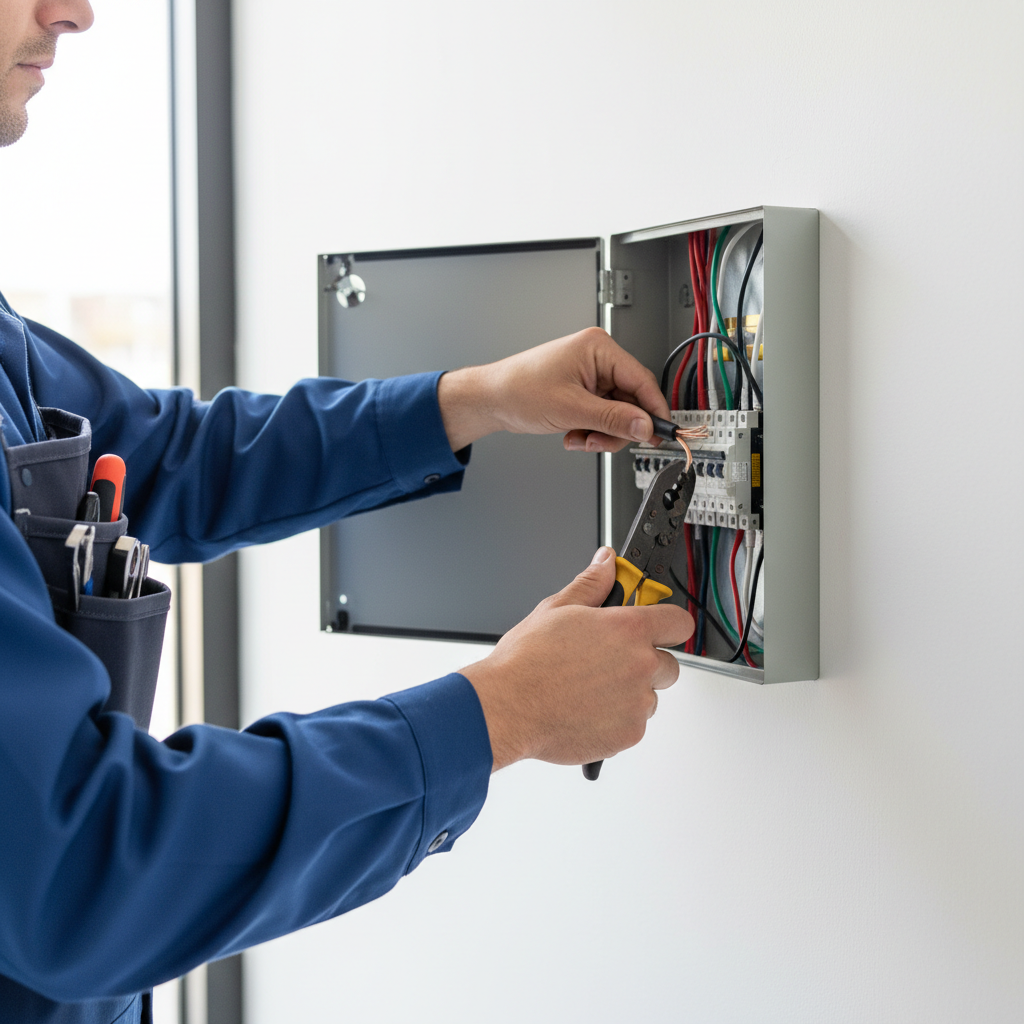
Many people believe that low voltage systems, such as those found in household electronics, are not dangerous. However, this is a misconception. Low voltage does not equate to low risk. Even low voltage systems can cause serious injury or fire if not handled properly. Experts emphasize the importance of treating all electrical systems with caution, regardless of their voltage.
For example, a common household appliance might operate at a lower voltage but still be capable of delivering a painful shock. Understanding the potential risks and using proper safety measures is crucial.
Myth 2: Rubber Gloves Provide Complete Protection
Another prevalent myth is that wearing rubber gloves provides complete protection against electrical shocks. While rubber is an insulator, not all rubber gloves are designed for electrical work. Ordinary household gloves may not offer adequate protection against high voltage.
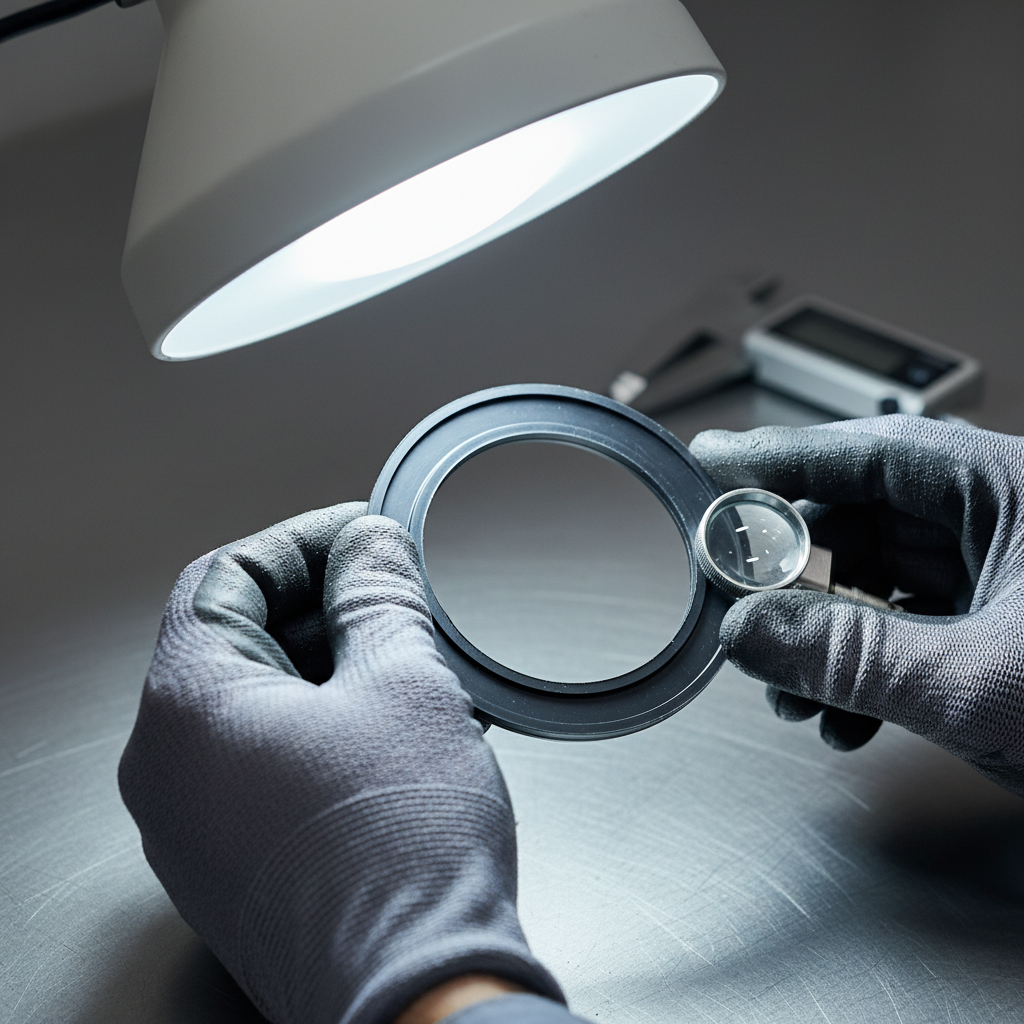
Professionals recommend using specially designed, certified electrical gloves when working on wiring or electrical systems. These gloves are tested and rated for specific voltage levels, ensuring they provide the necessary protection.
Myth 3: Power Strips Can Handle Unlimited Devices
Power strips are convenient, but they are often overloaded. Many people think they can plug as many devices as they want into a power strip without any issues. However, each power strip has a maximum load capacity. Overloading it can lead to overheating and potentially start a fire.
- Always check the power strip's rating.
- Avoid daisy-chaining multiple power strips together.
- Use surge protectors for sensitive electronics.
Adhering to these guidelines can help prevent dangerous situations and extend the life of your electrical devices.
Myth 4: A Tripped Circuit Breaker Means Immediate Repair
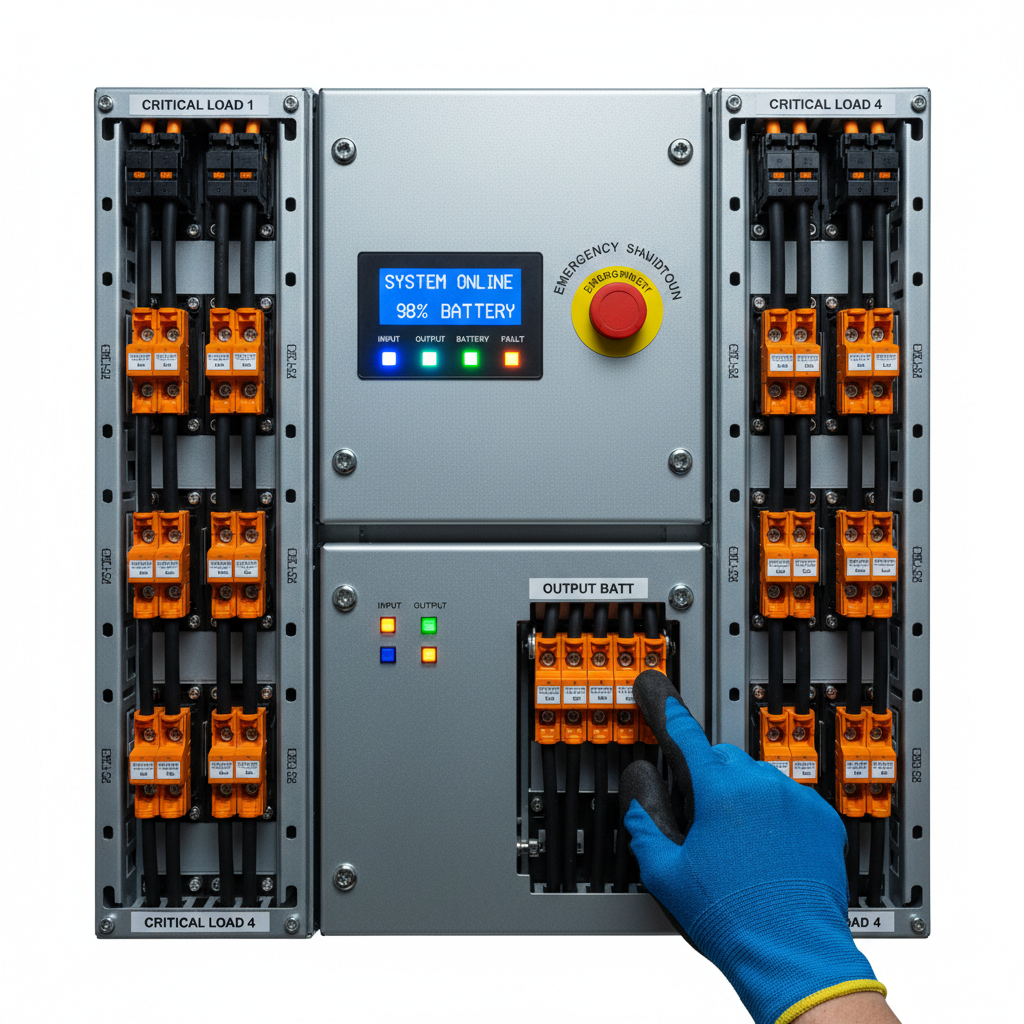
While a tripped circuit breaker can be alarming, it doesn't always mean that there's a severe problem needing immediate repair. Often, it occurs due to a temporary overload or a minor fault in the system.
Before calling an electrician, try resetting the breaker. If it trips again, investigate the cause—unplugging some devices might solve the issue. However, if the problem persists, consulting a professional is wise.
Myth 5: DIY Electrical Repairs Are Always Cheaper
Many homeowners assume that doing electrical repairs themselves will save money. However, without proper knowledge and experience, DIY repairs can lead to costly mistakes, voided warranties, or even severe accidents.
Experts recommend hiring licensed electricians for any significant electrical work. They have the expertise and tools needed to handle repairs safely and efficiently, often saving you time and money in the long run.
In conclusion, understanding these common electrical myths can help you make informed decisions and maintain a safe environment at home or work. Always prioritize safety and consult professionals when in doubt.