Common Electrical Myths Debunked by Experts
AT
Understanding Electrical Myths
Electricity powers our modern world, yet many myths and misconceptions about it persist. These misunderstandings can lead to unsafe practices and unnecessary fears. Let’s explore some common electrical myths and uncover the truth behind them.
Myth 1: Rubber Gloves and Shoes Provide Complete Protection
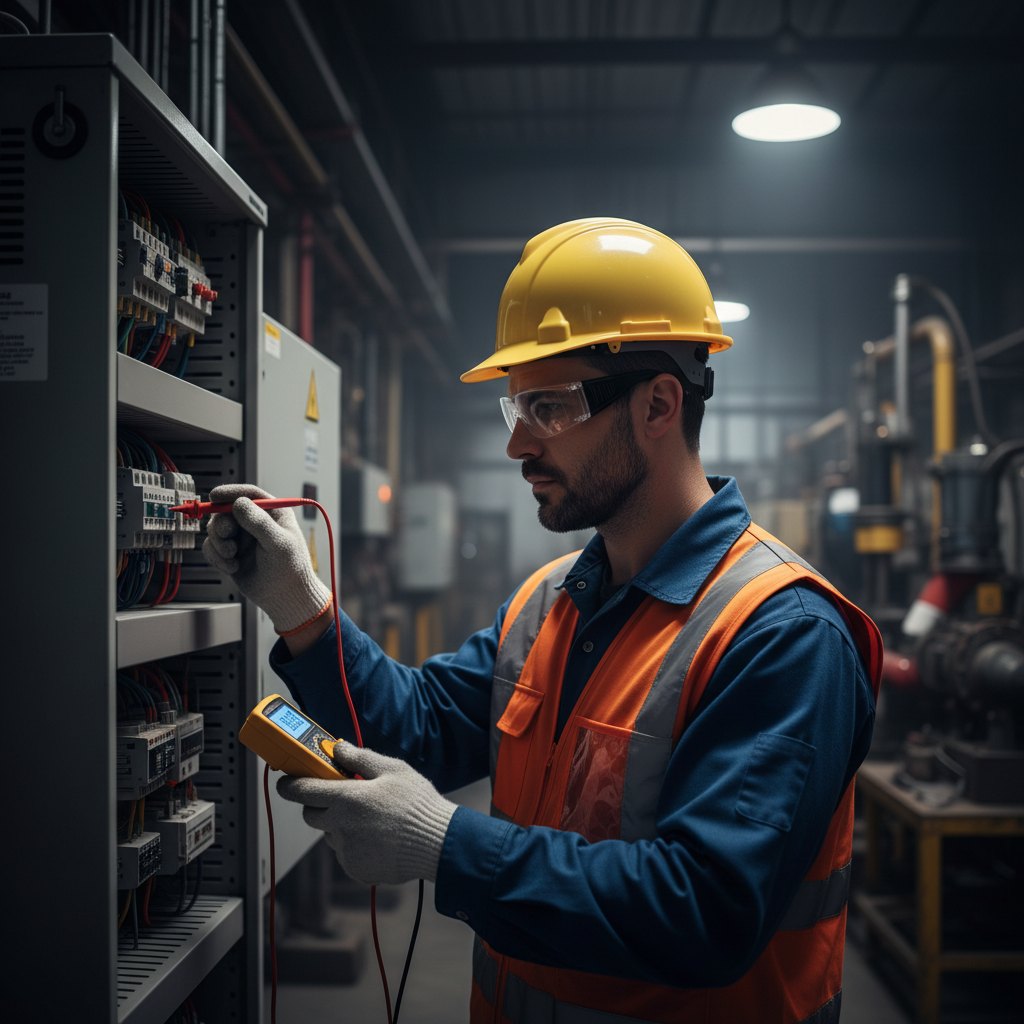
Many people believe that wearing rubber gloves and shoes offers complete protection against electrical shocks. While rubber is an insulator, not all rubber products are created equal. Only specific types of rubber, designed to withstand high voltages, offer proper protection. Household rubber gloves and shoes often contain other materials, reducing their insulating properties.
To ensure safety, always use certified protective gear when working with electricity. Never rely on common household items for electrical safety.
Misconceptions About Power Outlets
Myth 2: Power Strips Can Handle Unlimited Devices
Power strips are a convenient way to expand the number of outlets available, but they are not designed to handle unlimited devices. Each power strip has a maximum load rating, and exceeding this can lead to overheating and potential fires. Always check the power strip’s rating and avoid daisy-chaining multiple strips together.
Myth 3: It's Safe to Use Any Light Bulb Wattage
Using a light bulb with higher wattage than recommended for a fixture can be dangerous. Fixtures are rated for a specific wattage to prevent overheating and potential fire hazards. Always adhere to the recommended wattage to ensure safety and energy efficiency.
- Check the fixture’s maximum wattage.
- Use energy-efficient bulbs like LEDs for better performance.
Understanding Circuit Breakers
Myth 4: Circuit Breakers Prevent All Electrical Fires
While circuit breakers are essential for preventing electrical overloads, they are not fail-proof. They protect against short circuits and overloads but won't detect other potential hazards like faulty wiring or poor connections. Regular maintenance and professional inspections are crucial for comprehensive electrical safety.
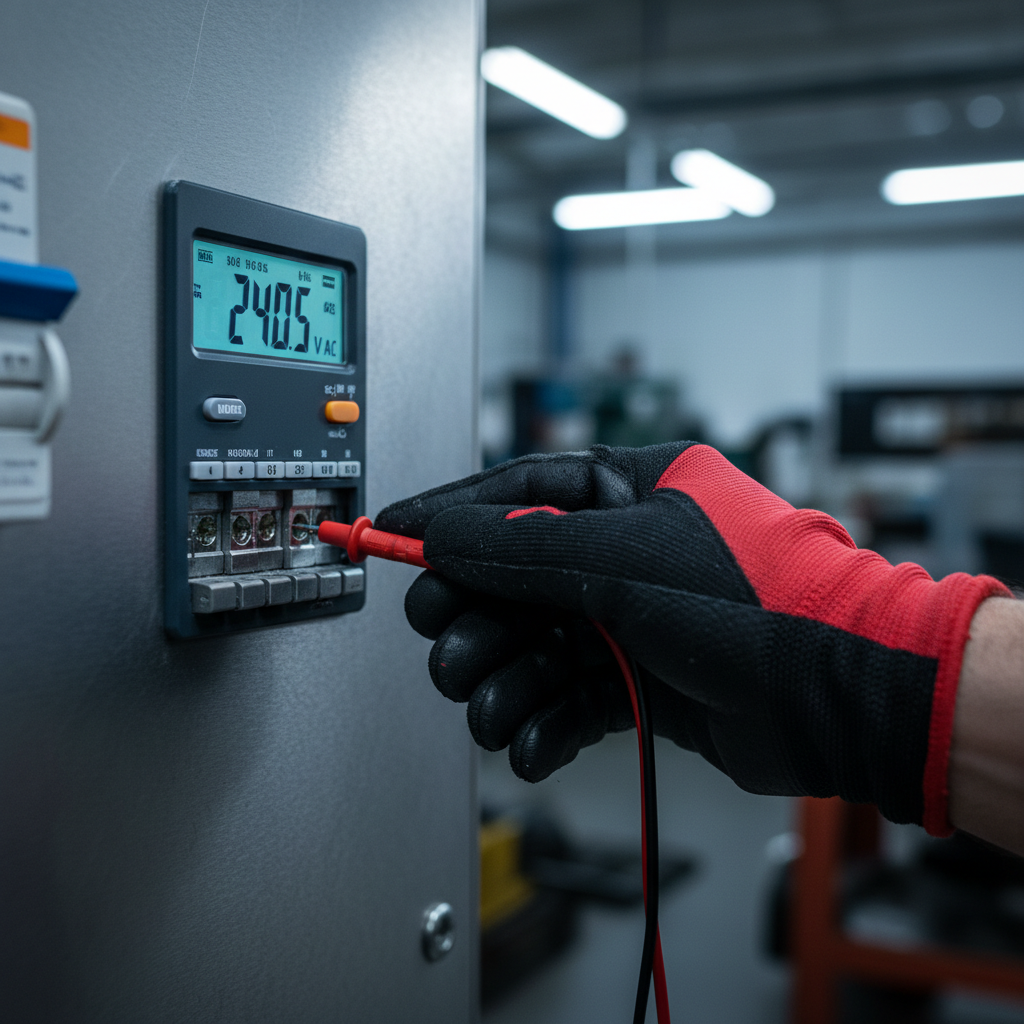
Remember, circuit breakers are just one part of a safe electrical system. Regular checks and updates can help avoid issues that breakers alone might not catch.
Myth 5: You Can Fix Electrical Issues Without Professional Help
DIY fixes for electrical problems can be tempting, but they often lead to more harm than good. Without proper knowledge and tools, you risk serious injury or worsening the problem. It's always best to consult a licensed electrician for any electrical repairs or upgrades.
By understanding and debunking these common myths, you can enhance safety and efficiency in your home or workplace. Always prioritize accurate information and professional guidance when dealing with electricity.