Common Misconceptions About Generator Installation: What You Really Need to Know
AT
Understanding Generator Installation
When it comes to generator installation, many homeowners and businesses have misconceptions that can lead to confusion and costly mistakes. Knowing the truth about generator installation can help ensure that you make informed decisions that meet your power needs effectively.
Misconception 1: Any Electrician Can Install a Generator
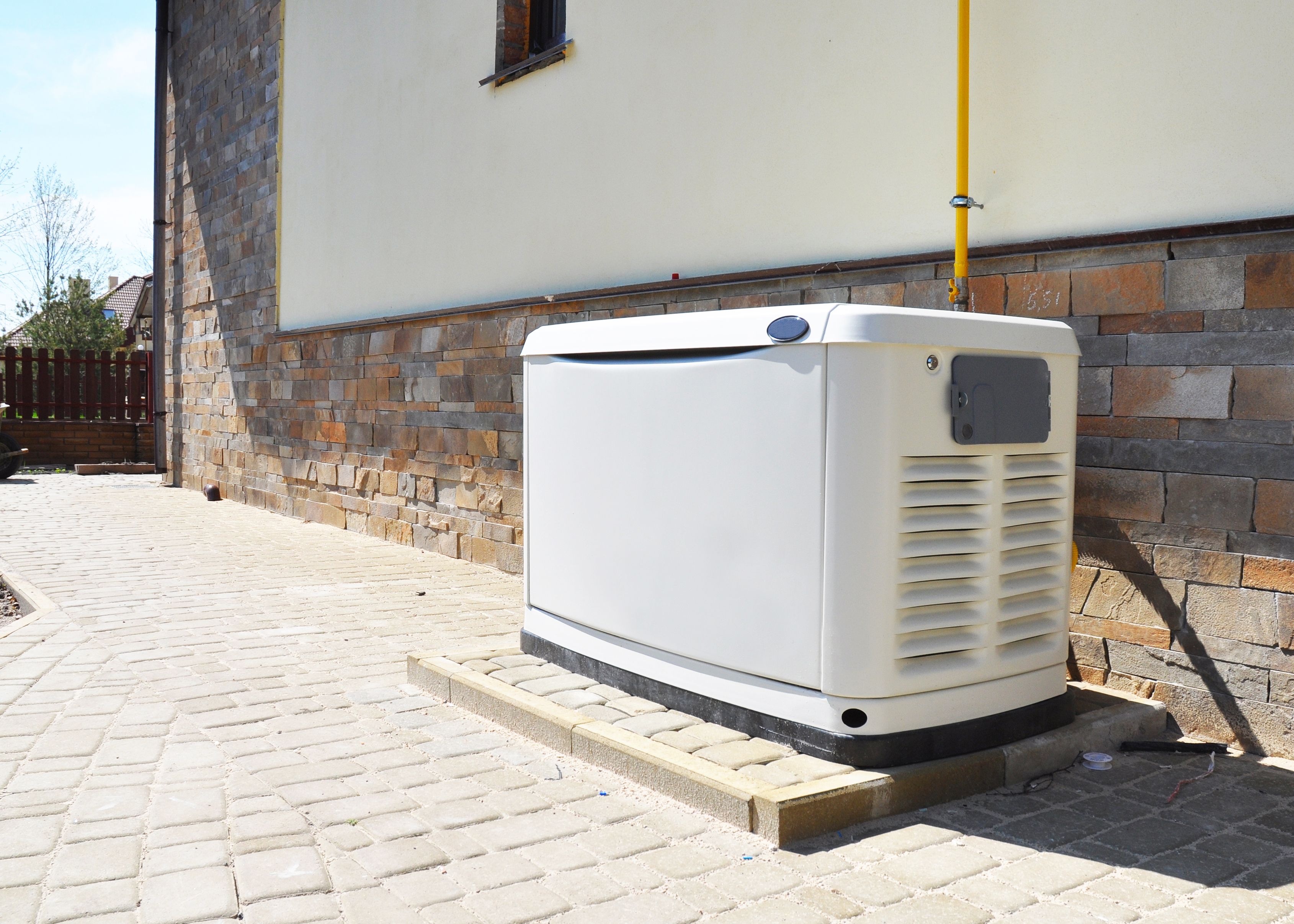
One common misconception is that any electrician can install a generator. While electricians are skilled in wiring and other electrical components, installing a generator requires specific knowledge and experience. Generators must be installed by professionals familiar with both electrical systems and the specific requirements of generators. This ensures safety and compliance with local regulations.
Misconception 2: All Generators Are the Same
Another misconception is that all generators are the same, leading people to choose based solely on price. Generators vary significantly in terms of power output, fuel type, and features. It’s crucial to select a generator that matches your specific needs, whether it’s for home backup power, commercial use, or industrial applications.
Installation Costs and Regulations
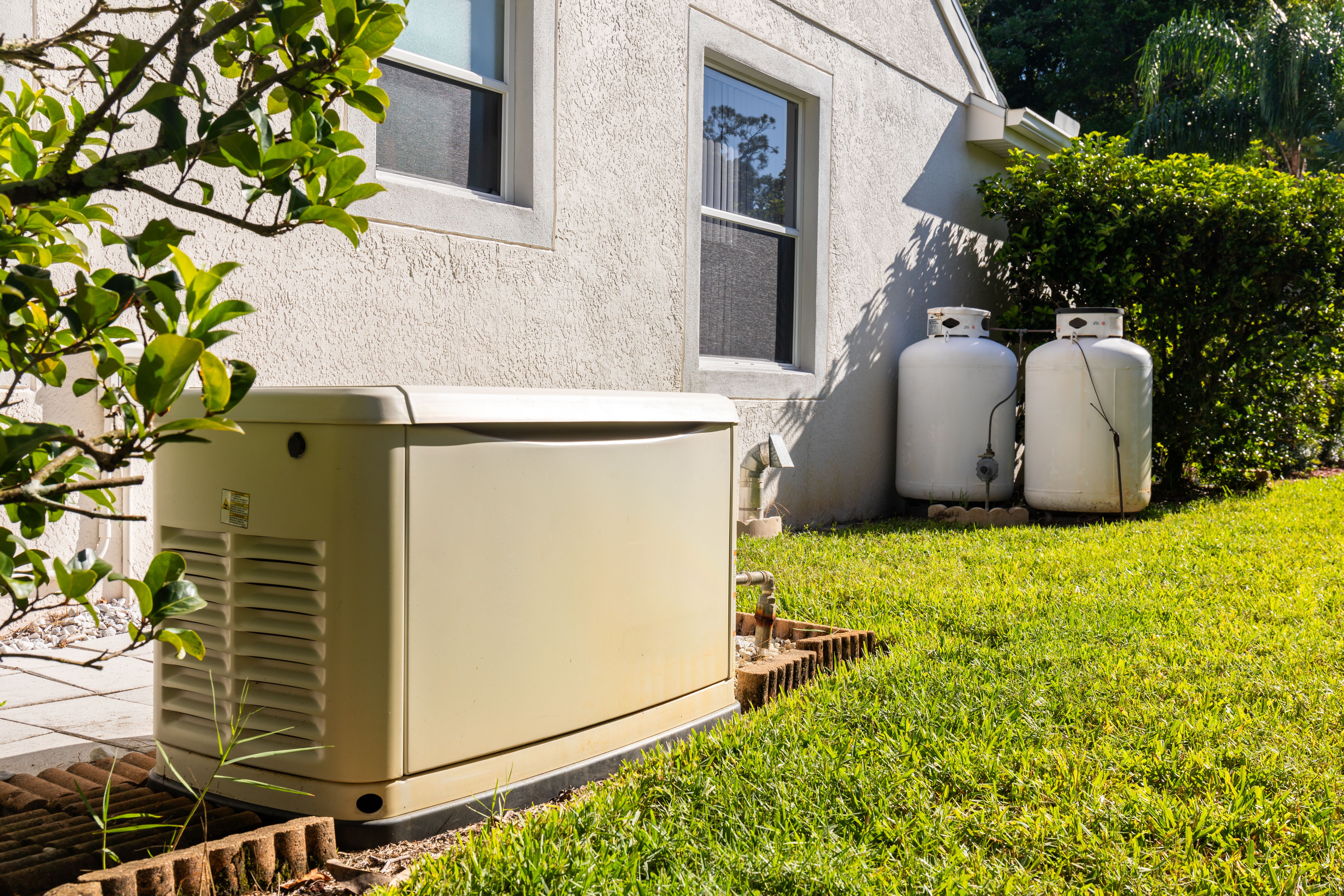
Understanding the costs and regulations associated with generator installation is essential. Many assume that installation is a straightforward process, but several factors can influence the overall cost and complexity.
Misconception 3: Installation Is a One-Time Cost
Some believe that the cost of installation is a one-time expense. However, generator installation can involve additional costs such as permits, inspections, and potential upgrades to your existing electrical system. It’s important to budget for these potential expenses to avoid surprises.

Misconception 4: Permits Are Not Necessary
Many think permits are not required for generator installation, but this is not the case. Most localities require permits to ensure that the installation meets safety and building codes. Working with a professional ensures that all necessary permits are obtained, and inspections are completed.
Maintenance and Operation
Proper maintenance and understanding of generator operation are crucial for long-term reliability. Misconceptions in this area can lead to inefficiency or even damage to the generator.
Misconception 5: Generators Don't Need Regular Maintenance
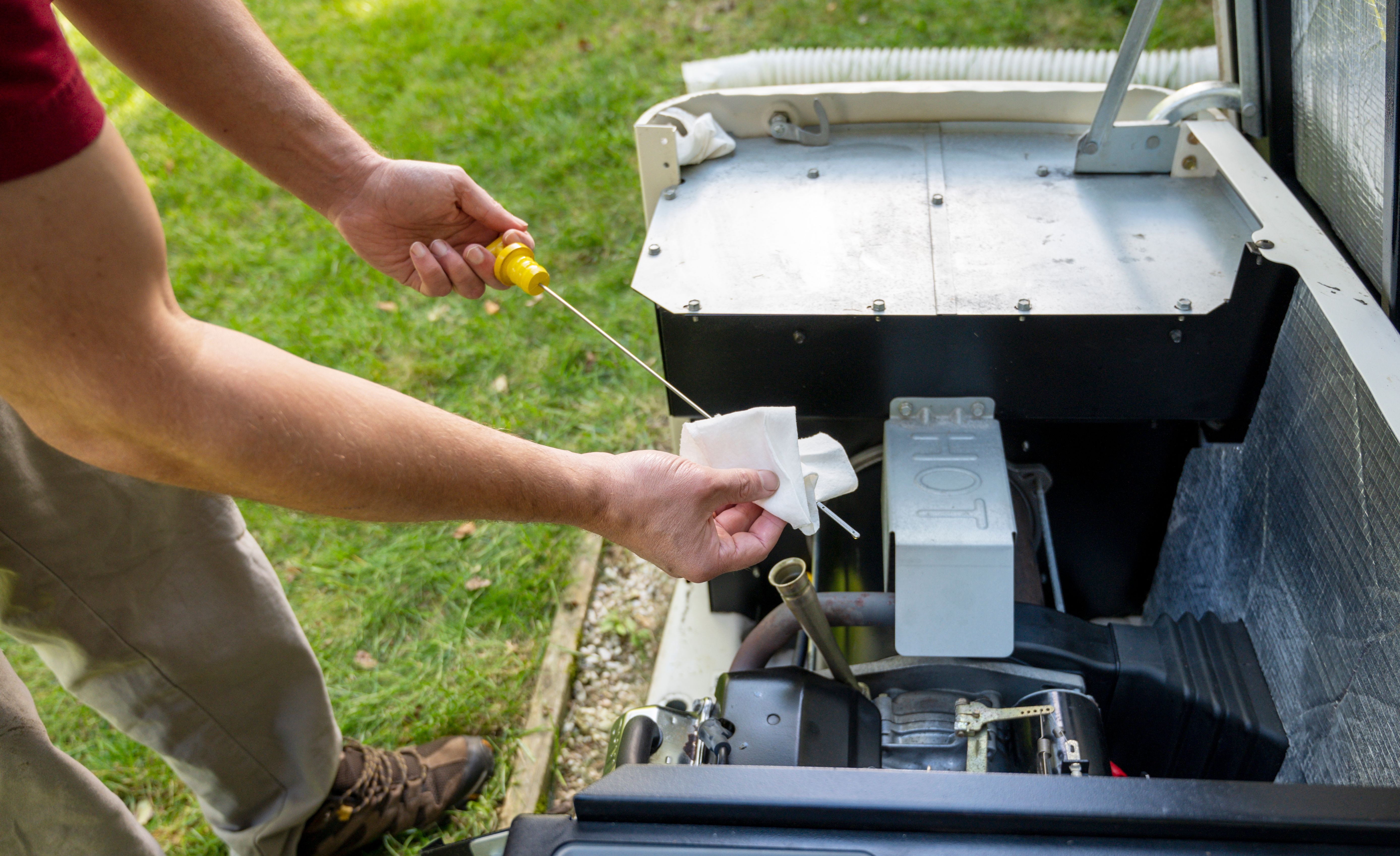
Some believe that once installed, generators require little to no maintenance. In reality, regular maintenance is vital to keep your generator running efficiently. This includes oil changes, battery checks, and system tests. Regular maintenance helps prolong the life of your generator and ensures it operates when needed.
Misconception 6: Generators Are Noisy and Disruptive
A common concern is that generators are noisy and disruptive. While this may have been true for older models, modern generators are designed to operate quietly. Choosing the right model and proper installation can minimize noise, making generators suitable even for residential areas.
By understanding these common misconceptions, you can make informed decisions about generator installation. Working with experienced professionals ensures that your generator is installed correctly and functions efficiently, providing reliable power when you need it most.