Comparing Generators: Which is Right for Your Michigan Home?
AT
When it comes to ensuring your home in Michigan remains powered during outages, choosing the right generator is crucial. With numerous options available, understanding the differences between generator types can help you make an informed decision tailored to your needs.
Types of Generators
The two main categories of generators are portable and standby. Each type has its unique benefits and drawbacks, making it essential to consider your specific requirements before making a purchase.
Portable Generators
Portable generators are versatile and can be moved as needed. They are typically less expensive and are ideal for short-term use or powering specific appliances. However, they require manual setup and refueling, which can be inconvenient during prolonged outages.
Standby Generators
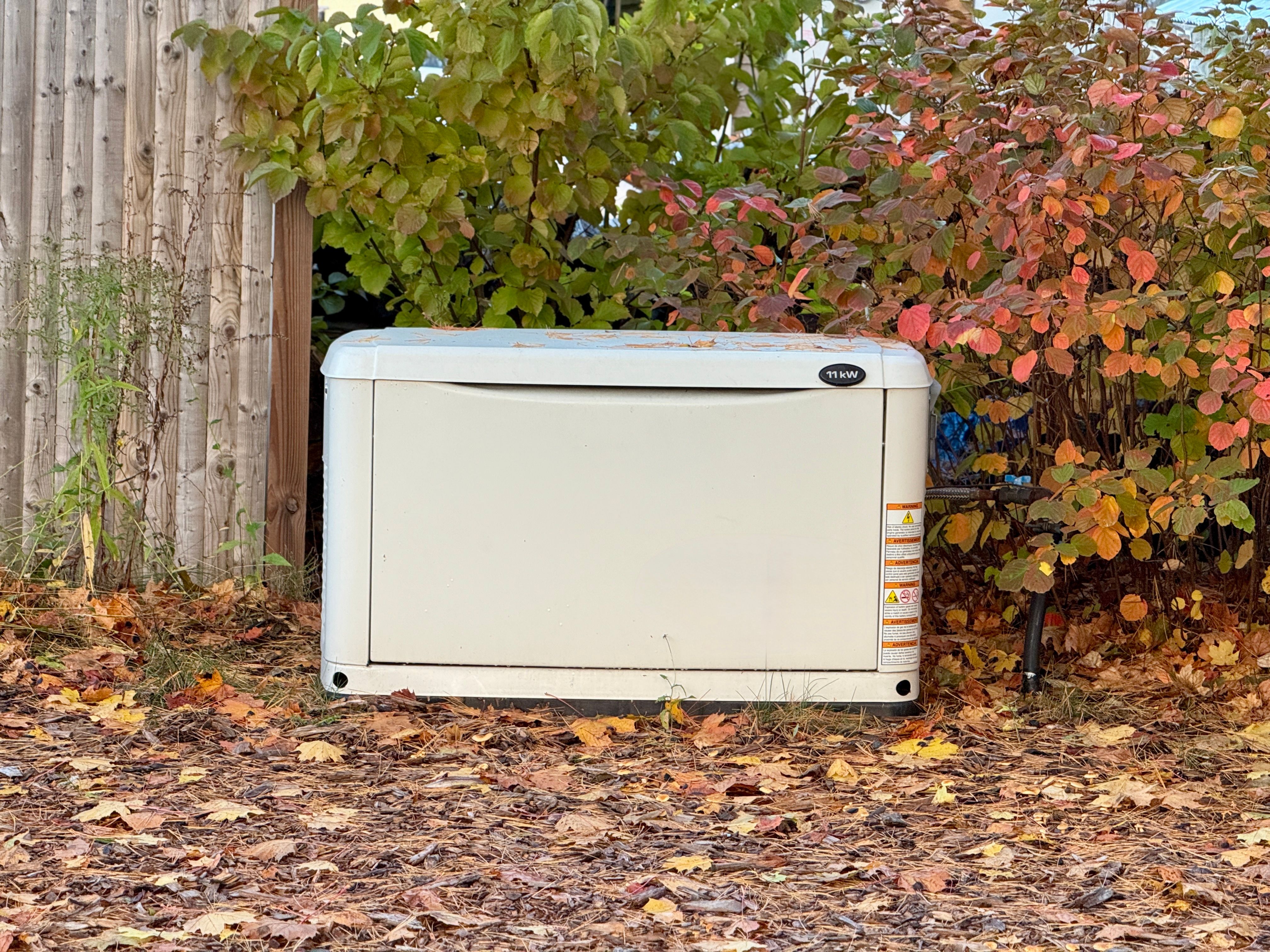
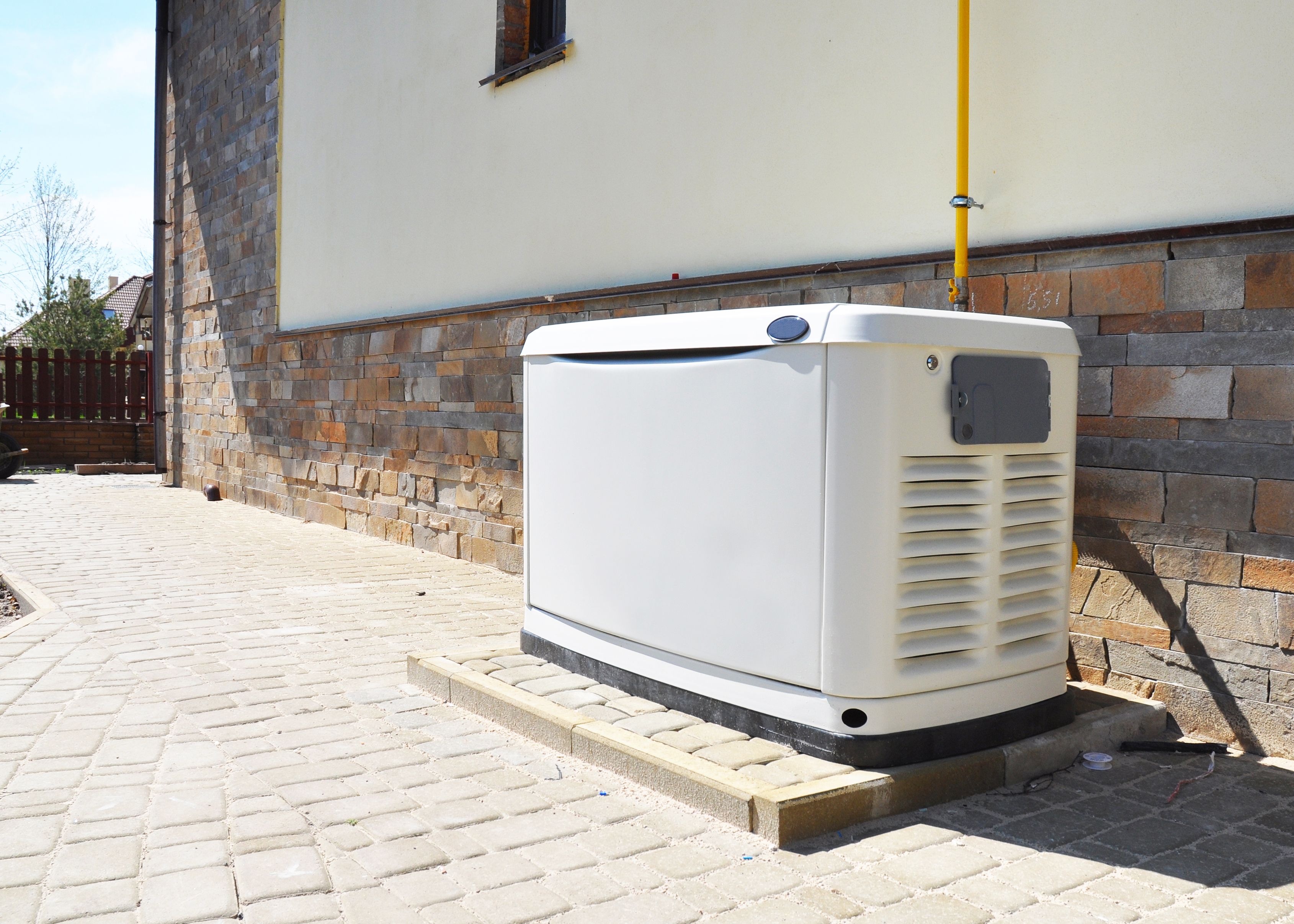
Standby generators, also known as whole-house generators, are permanently installed and automatically activate during a power outage. They offer a seamless power supply but come with a higher upfront cost. These generators are a reliable option for homes requiring uninterrupted power for extended periods.
Factors to Consider
When selecting a generator, consider factors such as power output, fuel type, and budget. These elements will guide you toward the best choice for your home.
Power Output
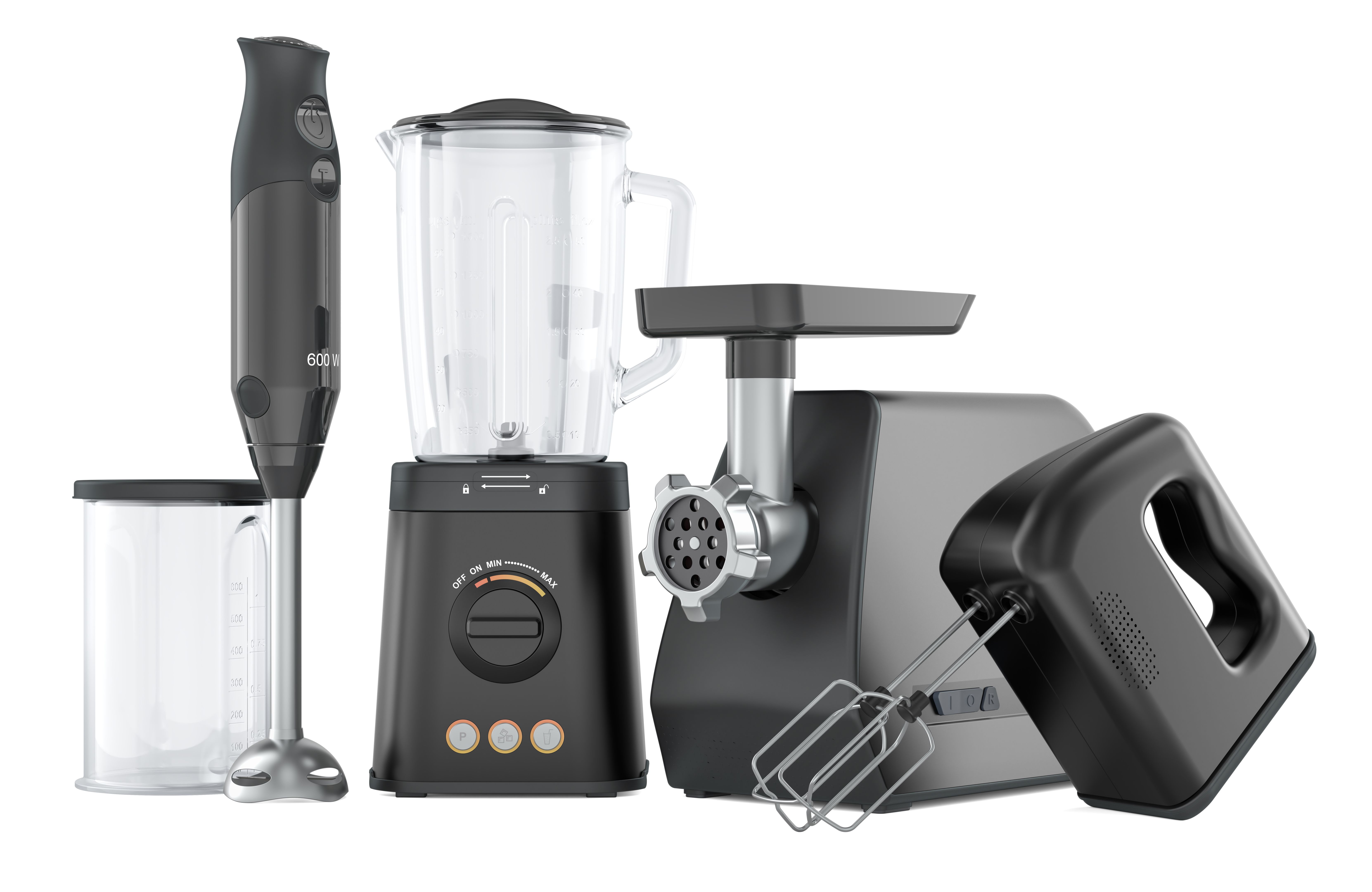
Assessing your home’s power needs is crucial. Calculate the wattage required to keep essential appliances running and choose a generator with sufficient capacity. Overloading a generator can lead to damage and inefficiency.
Fuel Type
Generators can be powered by various fuel types, including gasoline, propane, and natural gas. Each has its pros and cons. Gasoline is widely available but needs frequent refills, while natural gas provides a continuous supply but requires a connection to a gas line.
Installation and Maintenance
Proper installation and maintenance are vital for ensuring the longevity and effectiveness of your generator. Professional installation is recommended for standby generators to guarantee safety and compliance with local regulations.
Regular maintenance, such as oil changes and system checks, will keep your generator in optimal condition. Many manufacturers offer maintenance packages, which can be a convenient way to manage upkeep.
Cost Considerations
While initial costs can be significant, investing in a reliable generator can provide peace of mind and prevent potential losses from power outages. Consider both the purchase price and ongoing operational costs when budgeting for a generator.
By understanding the differences between generator types and evaluating your home’s specific needs, you can choose the best option to keep your Michigan home powered and secure.