Comparing Smart Home Systems: Which Installation Is Right for You?
AT
Understanding Smart Home Systems
Smart home systems have become increasingly popular, offering convenience, security, and energy efficiency. However, with so many options available, choosing the right system can be overwhelming. In this post, we'll explore different smart home systems and help you decide which installation suits your needs.
DIY Smart Home Systems
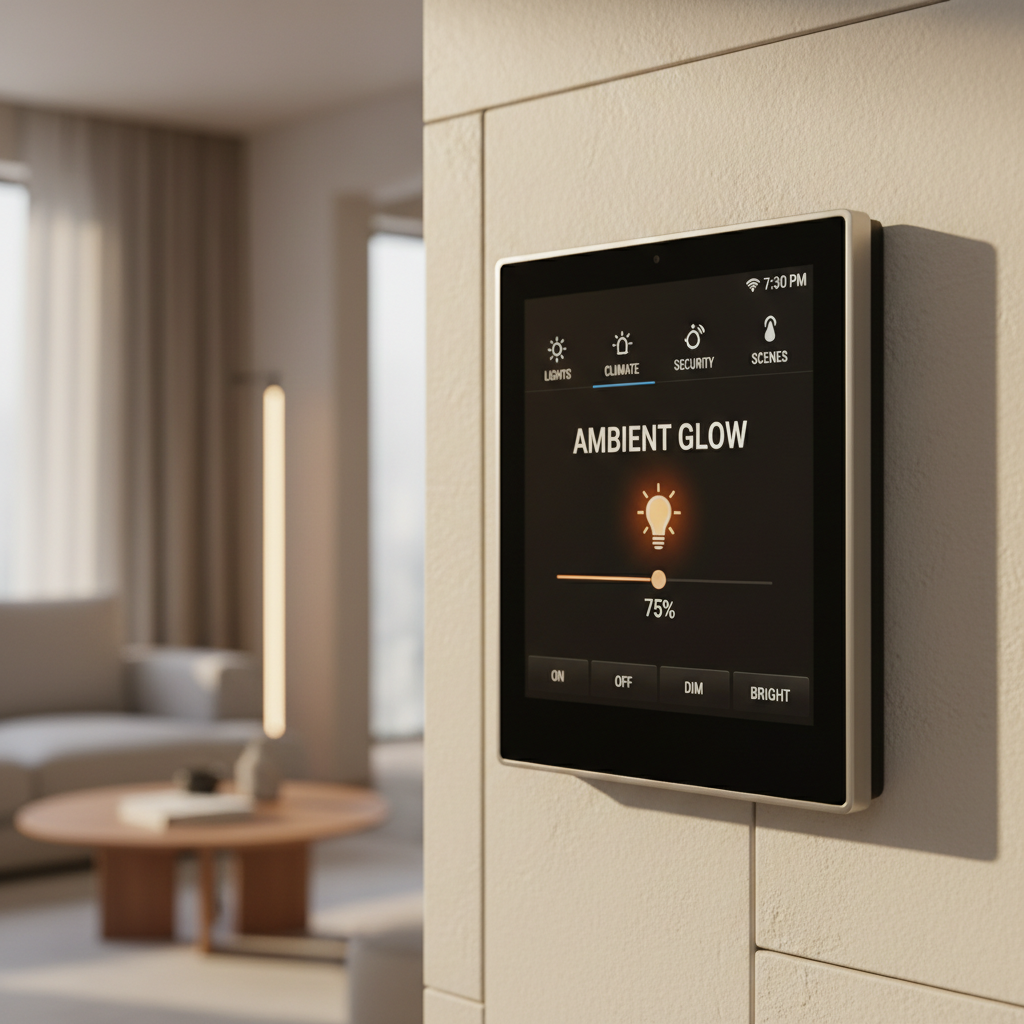
DIY smart home systems are ideal for tech-savvy individuals who enjoy hands-on projects. These systems often come with easy-to-install devices that you can set up without professional help. Popular DIY systems include products from brands like Google Nest and Amazon Echo.
The benefits of DIY systems include flexibility and cost savings. You can start small and expand your system as needed, adding devices like smart lights, thermostats, and cameras over time.
Professional Smart Home Installations
If you're looking for a more comprehensive solution, professional installations might be the right choice. Companies like Vivint and ADT provide tailored smart home setups that include security systems, automation, and monitoring services.
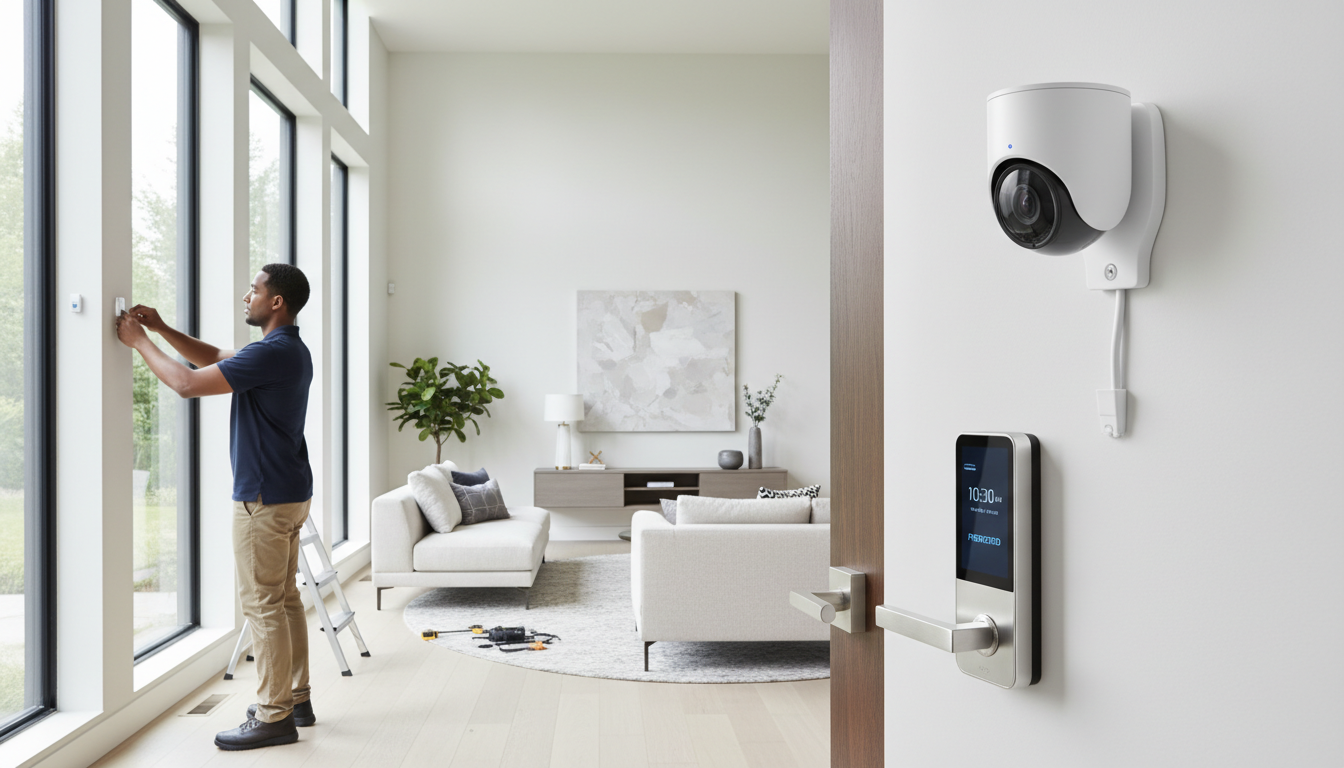
Advantages of professional installations include expert advice, customized systems, and ongoing support. These services ensure that your system is optimized for your home and lifestyle, offering peace of mind and reliability.
Comparing Costs and Benefits
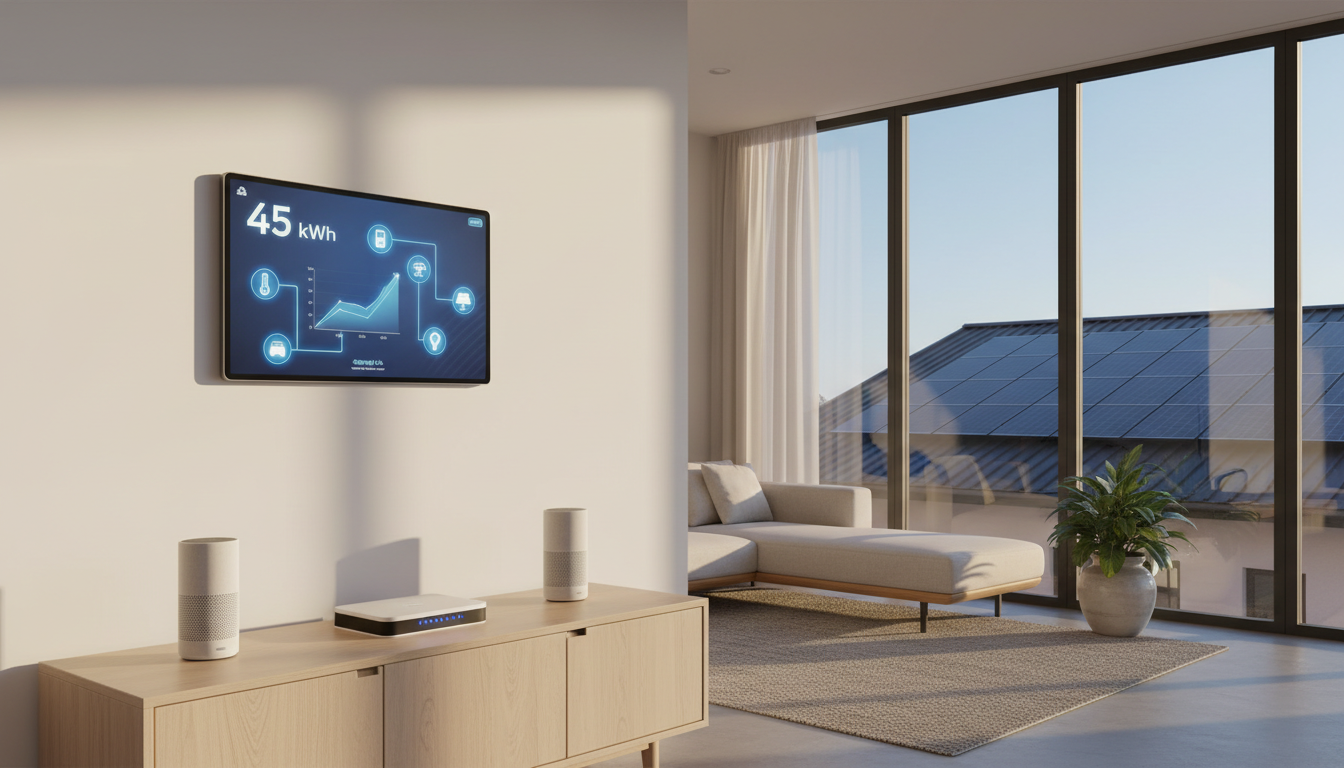
When comparing smart home systems, it's essential to consider both the costs and benefits. DIY systems typically have lower upfront costs, but you may need to invest time in learning and installation. In contrast, professional setups often require a higher initial investment, but they provide immediate functionality and support.
Consider your budget and technical comfort level when deciding between these options. If you prefer a hands-off approach, the extra cost of a professional installation may be worth it.
Integrating Smart Devices
An essential aspect of choosing a smart home system is ensuring compatibility with existing devices. Many smart home systems support a wide range of devices, allowing you to integrate everything from smart locks to video doorbells.
Before purchasing, check that your chosen system supports the devices you want to use, and consider whether you prefer a centralized hub or standalone devices.
Security and Privacy Considerations
Security and privacy are crucial factors in selecting a smart home system. Ensure that your chosen system offers robust encryption and security protocols to protect your data.
Additionally, review the company's privacy policies to understand how your information is used and shared. Opt for systems that prioritize user privacy and transparency.
Future-Proofing Your Smart Home
As technology evolves, it's wise to choose systems that can adapt to future innovations. Look for brands that offer regular updates and support new technologies, ensuring your investment remains relevant.
Consider systems that are compatible with emerging standards like Matter, which aims to enhance interoperability between different smart home devices.
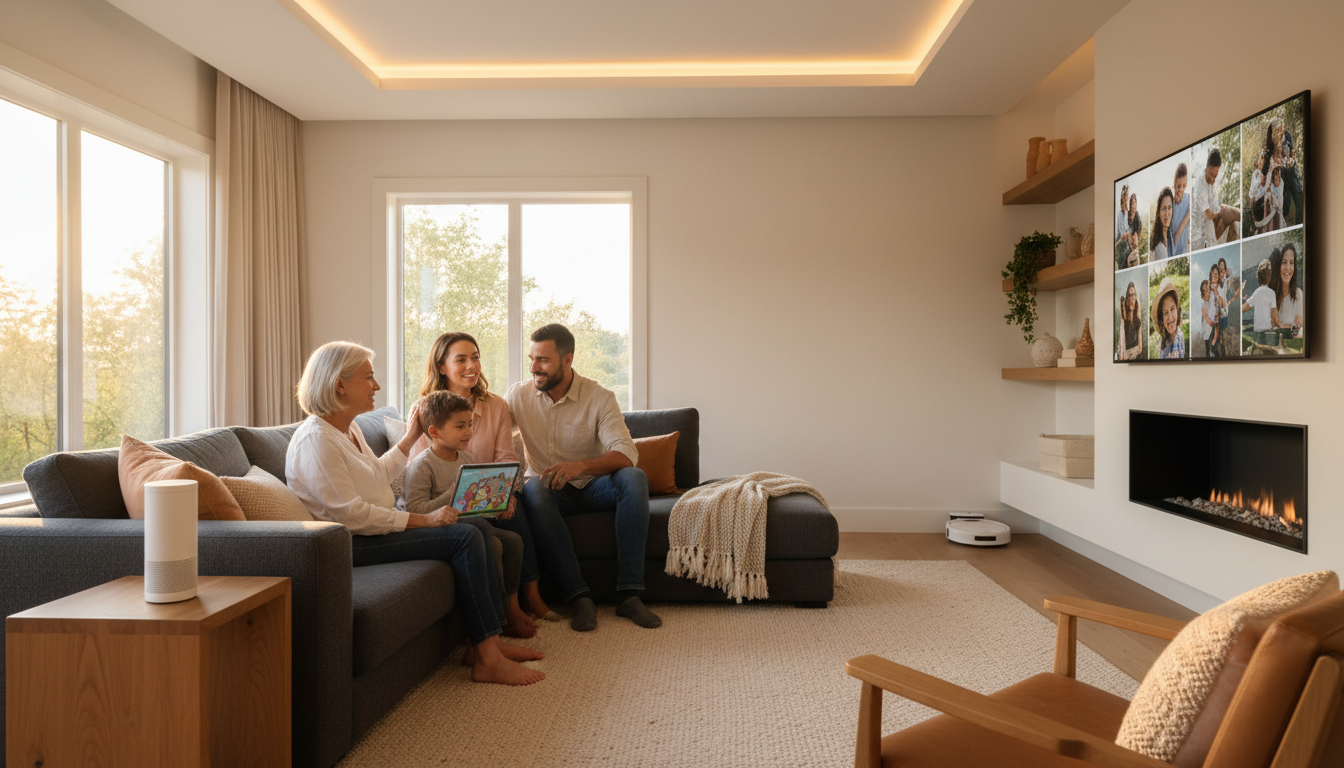
In conclusion, whether you choose a DIY or professional installation, selecting the right smart home system depends on your personal preferences, budget, and lifestyle. By considering the factors mentioned above, you can make an informed decision that enhances your home and simplifies daily life.