DIY Electrical Fixes: What You Can Do and When to Call a Pro
AT
Understanding the Basics
Tackling electrical issues on your own can be empowering and cost-effective. However, it's crucial to understand the basics before diving in. Simple tasks like changing a light bulb or resetting a circuit breaker can be done safely with minimal experience. Always ensure you have the right tools and safety gear, such as insulated gloves and goggles, to protect yourself.
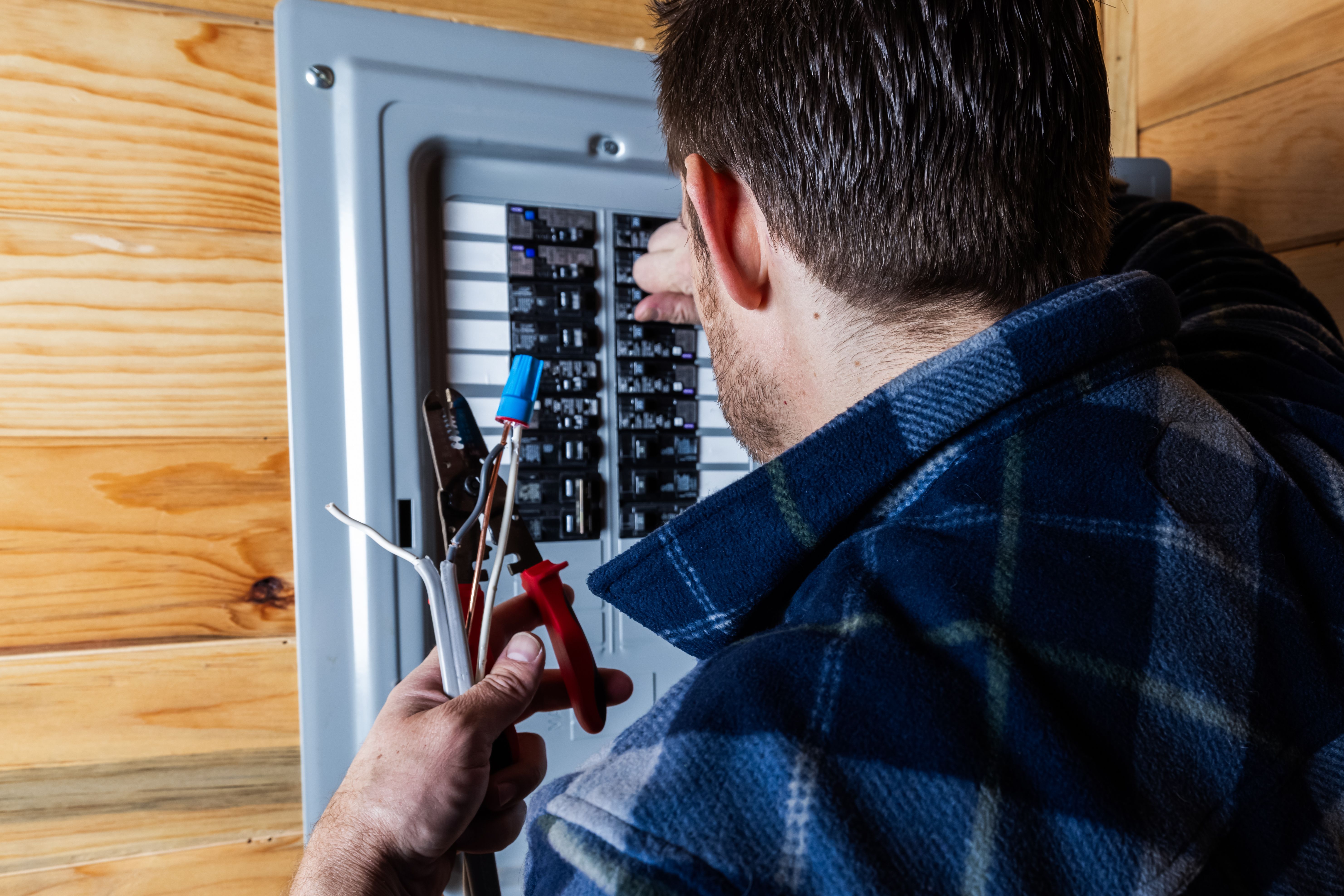
Before starting any electrical work, make sure to turn off the power at the main circuit panel. This precaution helps prevent electric shock and ensures a safe working environment. Familiarize yourself with your home’s electrical system by identifying the location of the circuit breakers and understanding which areas they control.
DIY Fixes You Can Handle
Replacing Light Fixtures
Replacing a light fixture is a straightforward project for most homeowners. Begin by turning off the power to the fixture at the circuit breaker. Remove the old fixture, disconnect the wires, and connect the new fixture following the manufacturer's instructions. Ensure that all wire connections are secure and that the fixture is properly mounted.
Installing a Ceiling Fan
Ceiling fans are a great addition to any room and can be installed easily. Start by ensuring the ceiling box is rated for fan support. Follow the installation guide carefully, paying close attention to the wiring connections. If you're unsure about any step, consult online tutorials or guides to clarify your doubts.

When to Call a Professional
Complex Wiring Tasks
When it comes to more complex wiring tasks, such as installing new circuits or rewiring an entire room, it’s best to call a professional electrician. These tasks require a deep understanding of electrical systems and adherence to local building codes. Mistakes in these areas can lead to costly damages and safety hazards.
Diagnosing Frequent Electrical Issues
If you experience frequent problems like tripped breakers, flickering lights, or outlets that don’t work, it’s time to consult a professional. These issues can indicate underlying problems that require expert evaluation and repair. An electrician can diagnose the issue and provide a reliable solution, ensuring your home’s electrical system is safe and efficient.
Safety First
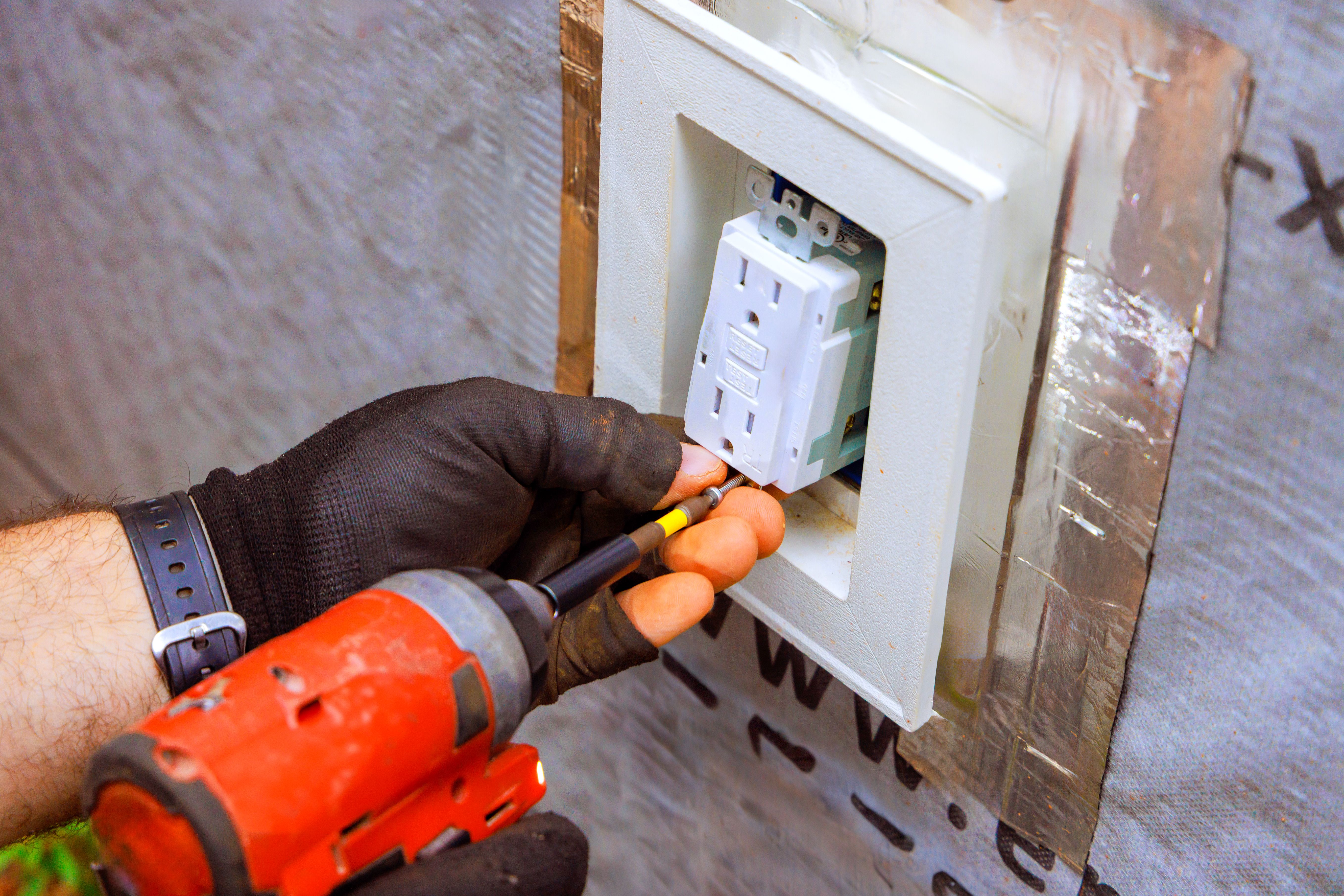
No matter the project, safety should always be your top priority. Never attempt electrical work if you're unsure about the process. It's better to invest in professional help than risk injury or property damage. Always use tools designed for electrical work and double-check your work before restoring power.
Additionally, keep a fire extinguisher rated for electrical fires nearby whenever working on electrical projects. It's a simple precaution that can prevent a small mishap from turning into a major disaster.
Conclusion
Embarking on DIY electrical fixes can be rewarding and practical. By understanding your limits and knowing when to call a professional, you ensure the safety and longevity of your home’s electrical system. Whether you’re replacing a light fixture or contemplating more advanced projects, always prioritize safety and quality work.