DIY Electrical Safety: What to Do Before Calling an Electrician
AT
Understanding DIY Electrical Safety
Embarking on a DIY electrical project can be both exciting and daunting. While it's tempting to tackle issues on your own, it's crucial to prioritize safety. Before you roll up your sleeves, there are essential steps you should take to ensure a safe and successful project.
Assess the Situation
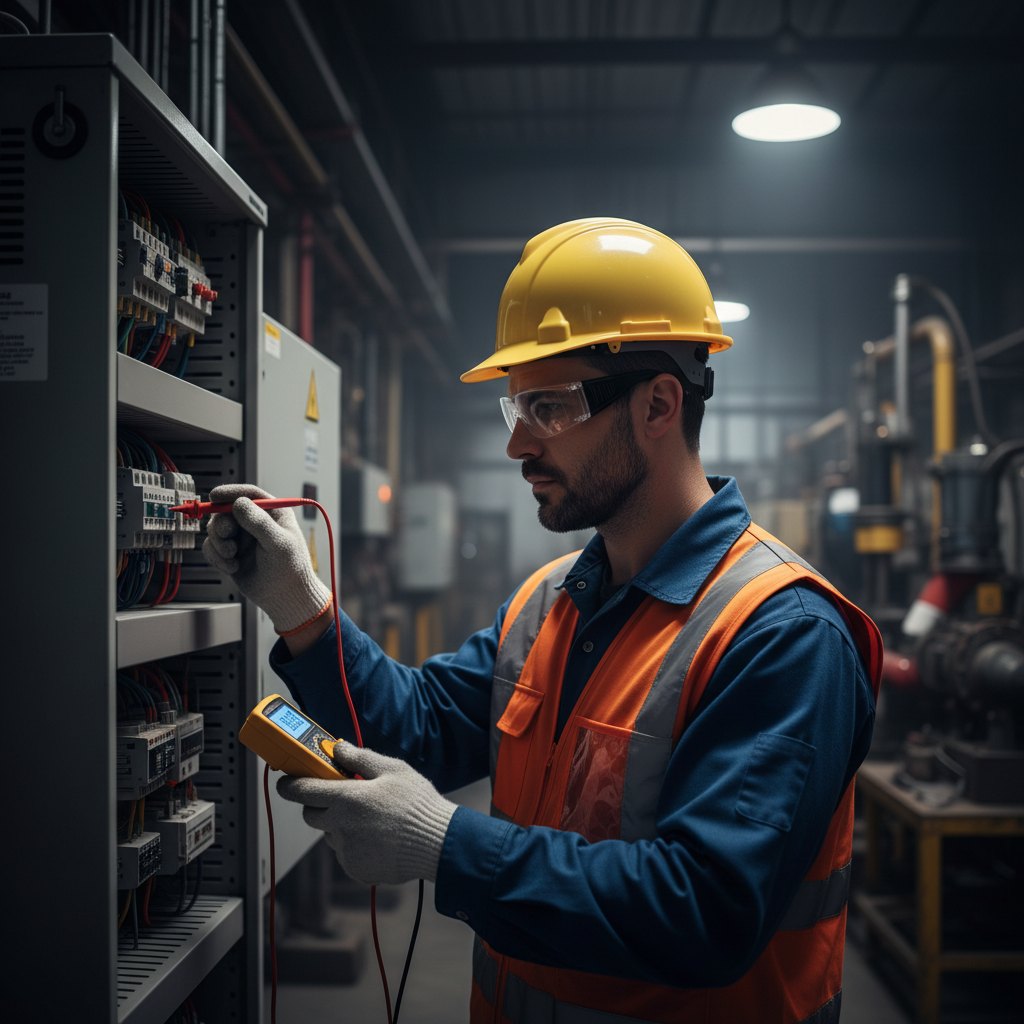
Before diving into any electrical work, assess the situation thoroughly. Determine the complexity of the task and your comfort level with handling it. Some projects, like changing a light bulb or replacing a switch plate, are straightforward. However, tasks involving wiring or circuit breakers might require professional intervention.
Identify the problem clearly. Is it a flickering light, a non-functional outlet, or a tripped breaker? Understanding the issue will help you decide whether it's a DIY task or time to call an electrician.
Gather the Right Tools and Equipment
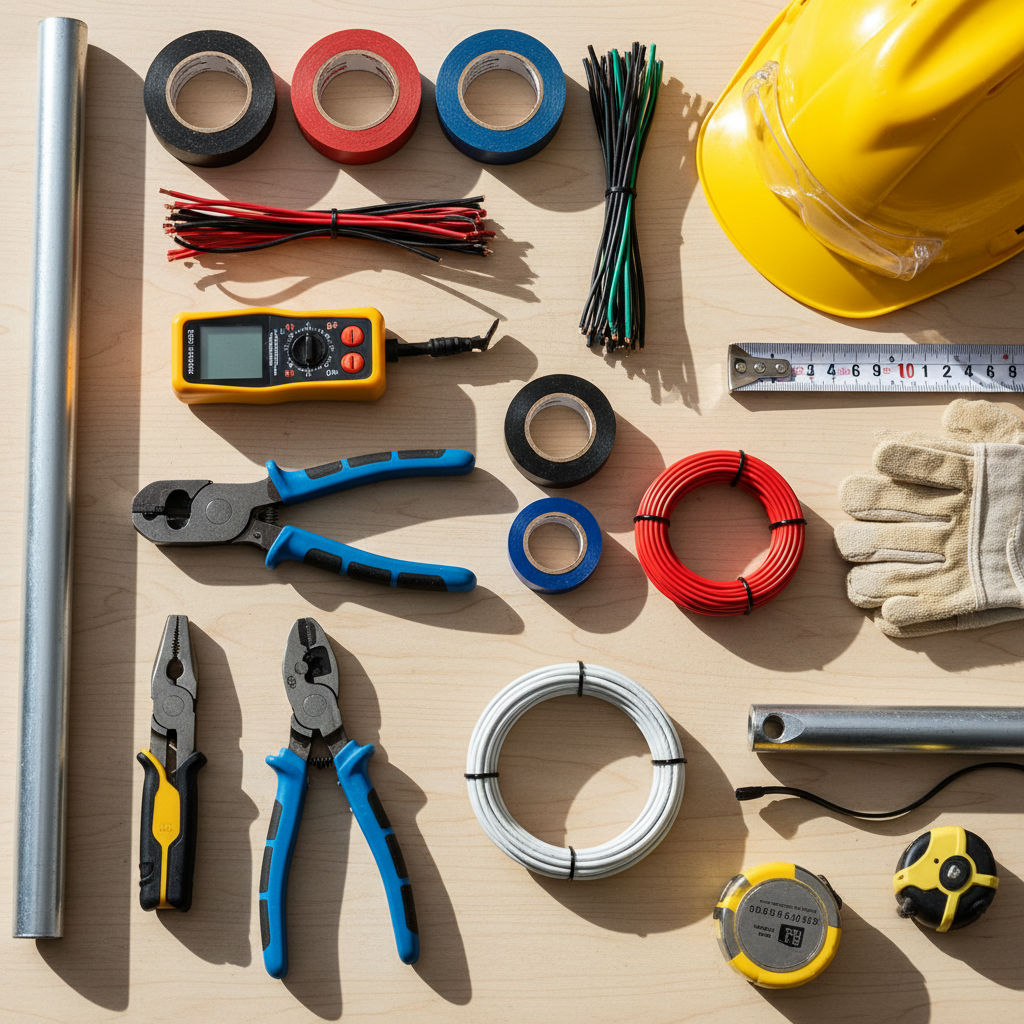
Having the right tools is essential for any DIY project. For electrical work, you'll need insulated tools, a voltage tester, wire strippers, and pliers. Make sure your tools are in good condition to prevent accidents. Also, equip yourself with safety gear such as gloves and goggles.
Turn Off the Power
This step cannot be stressed enough. Always turn off the power at the circuit breaker before starting any electrical work. Double-check by using a voltage tester to ensure no electricity is flowing through the wires. This precaution can prevent shocks or more serious injuries.
Understand Your Home’s Electrical System
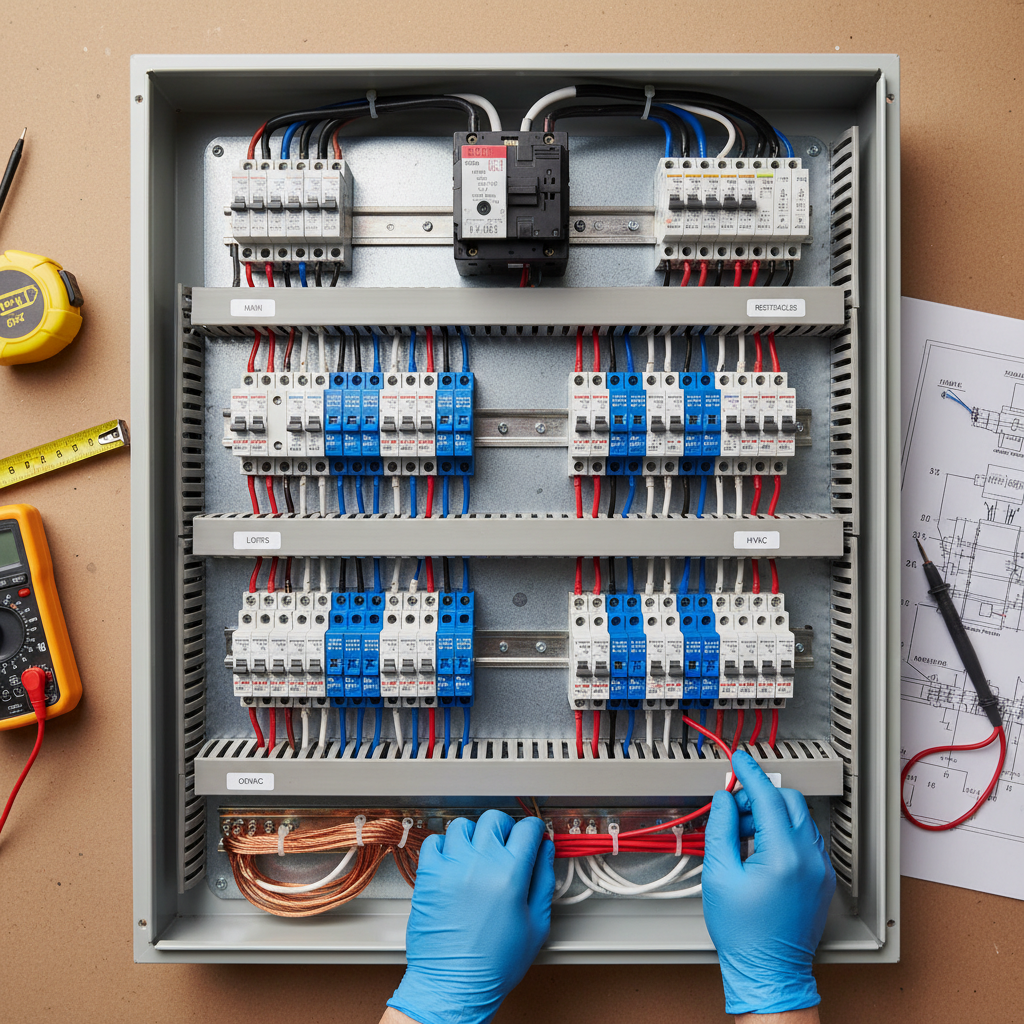
Familiarize yourself with your home's electrical system. Knowing which circuit controls what area can save time and prevent unnecessary disruptions. Label your circuit breaker panel if it's not already done. This way, you can easily find the right switch when needed.
Follow the Local Codes and Regulations
Electrical work is governed by local codes and regulations to ensure safety. Before starting your project, research the relevant codes in your area. This is vital if you're planning significant changes, like adding new outlets or circuits. Failing to comply can result in fines or unsafe installations.
Know When to Call a Professional
While DIY projects can be rewarding, knowing your limits is important. If you encounter something beyond your expertise, like complex wiring or persistent issues, it's wise to consult a professional electrician. They have the training and experience to handle intricate problems safely.
Remember, safety should always come first. Investing in a professional’s expertise can save you time, money, and ensure peace of mind.