DIY Electrical Safety Tips: What You Can Do Before Calling a Professional
AT
Understanding Electrical Safety Basics
Working with electricity can be dangerous if you don't know what you're doing. Before you tackle any DIY electrical projects, it's crucial to understand some basic safety tips. This not only ensures your safety but also helps prevent damage to your home. Always remember that if you're ever in doubt, it's best to call a professional.
Safety should always be your top priority. Make sure you have the right tools and protective gear before you start any project. This includes insulated gloves, safety glasses, and non-conductive tools.
Turn Off the Power
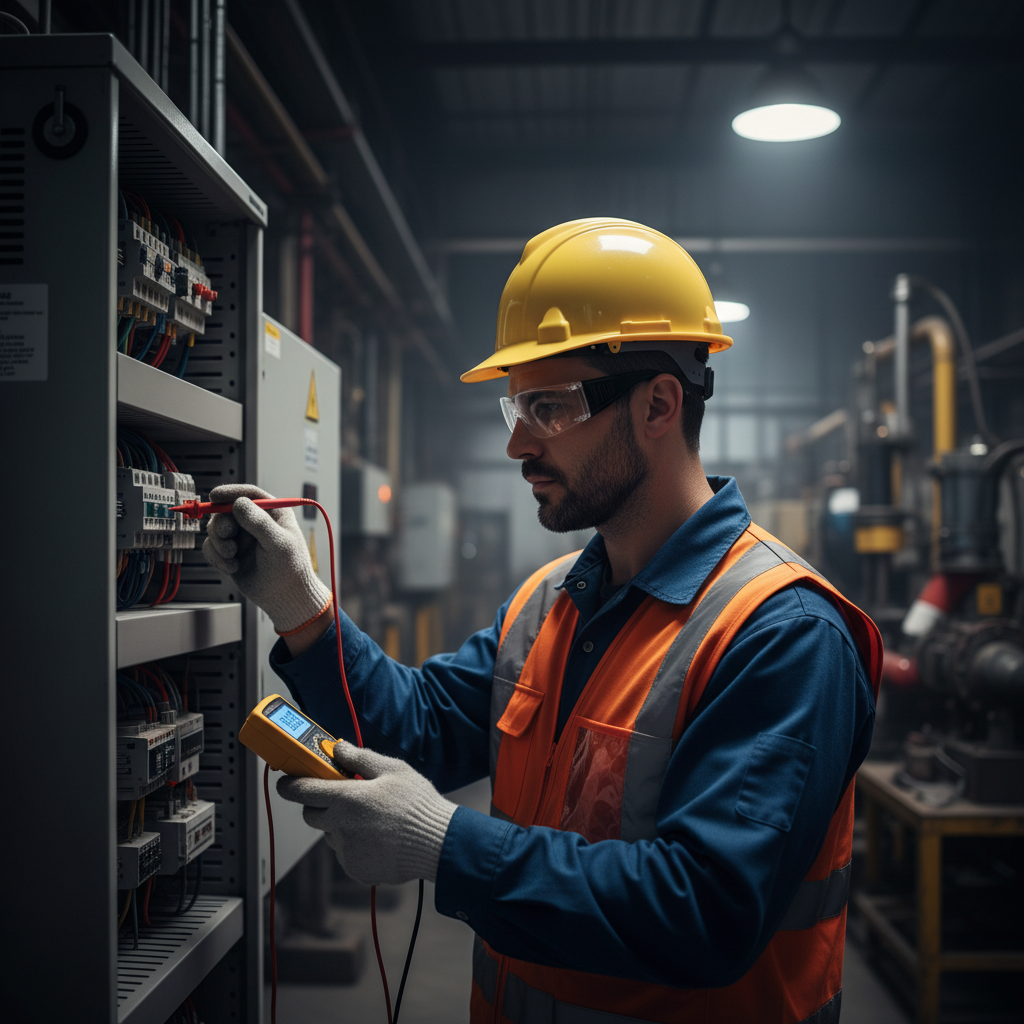
One of the most important steps in any electrical project is to turn off the power. Locate your home's main electrical panel and switch off the circuit breaker for the area you will be working on. Use a voltage tester to confirm that the power is off before you begin.
Label Your Circuit Breakers
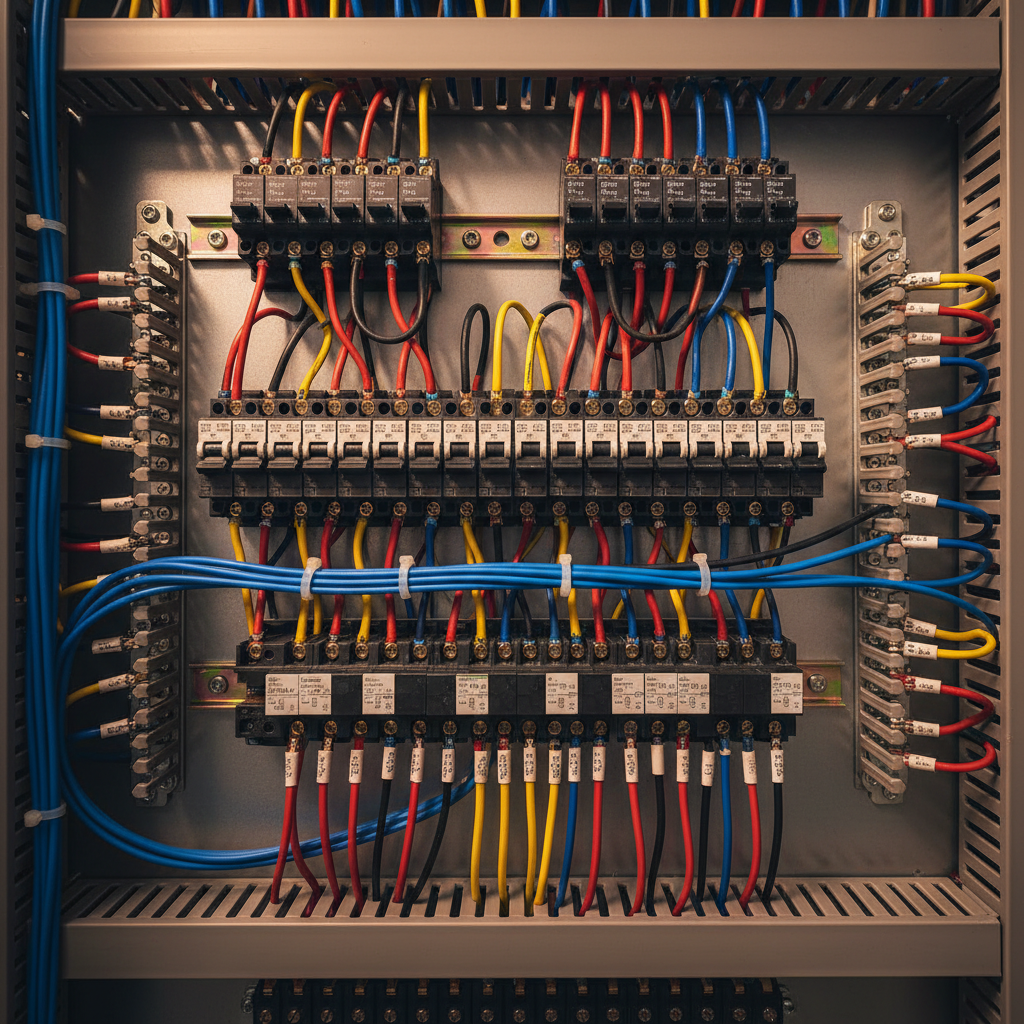
If your circuit breakers aren't labeled, take the time to do so. This will help you quickly identify which breaker controls which area of your home, making it easier to turn off the right one when needed.
Inspect Cords and Wires
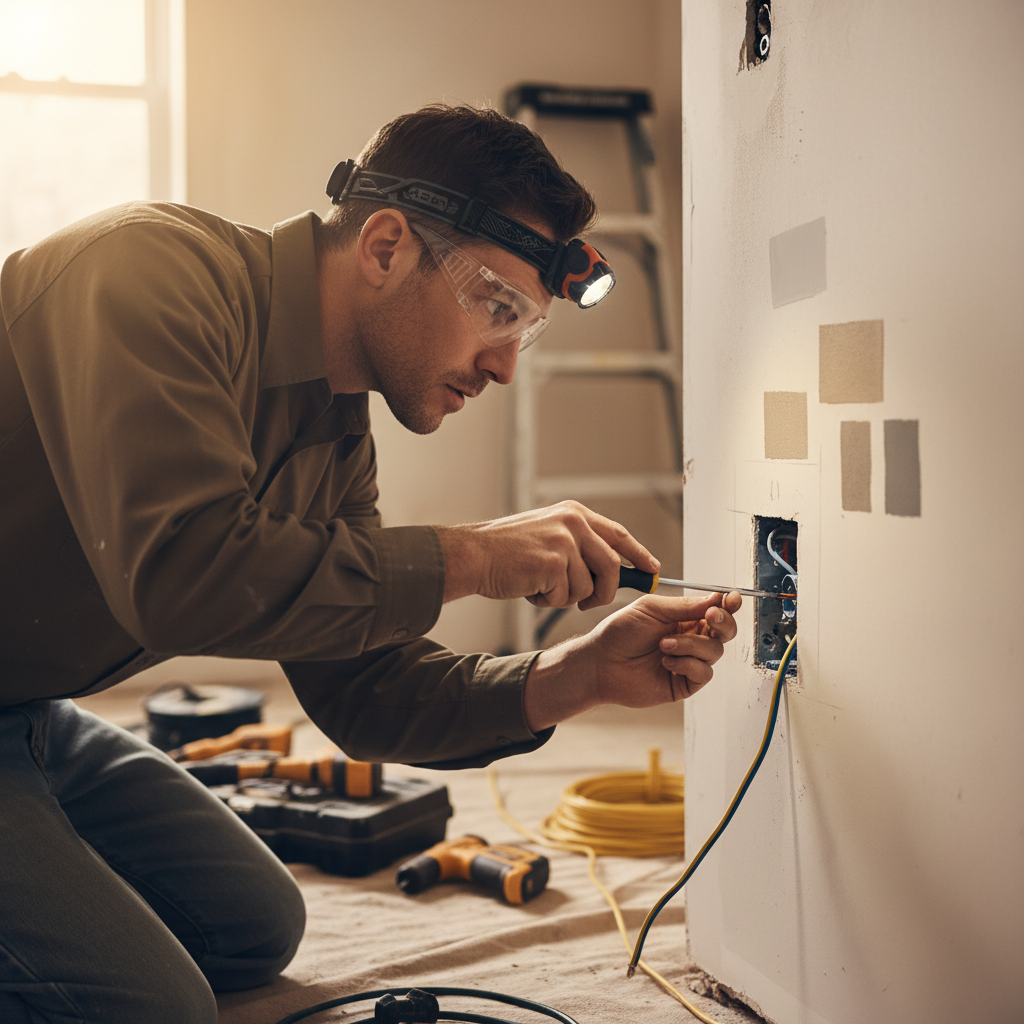
Before starting any work, inspect all cords and wires for signs of damage. Look for frayed insulation, exposed wires, or any other signs of wear and tear. Damaged wires should be replaced immediately to prevent electrical fires.
When replacing wires, ensure that you use the correct gauge and type for your specific project. Using the wrong wire can lead to overheating and potential hazards.
Use GFCI Outlets in Wet Areas
Ground Fault Circuit Interrupter (GFCI) outlets are designed to protect against electrical shock in areas where water is present, such as kitchens and bathrooms. If you don't have GFCI outlets in these areas, consider installing them to enhance safety.
Test Your GFCI Outlets
Once installed, regularly test your GFCI outlets using the test and reset buttons to ensure they are functioning correctly. This simple step can prevent serious accidents.
Know When to Call a Professional
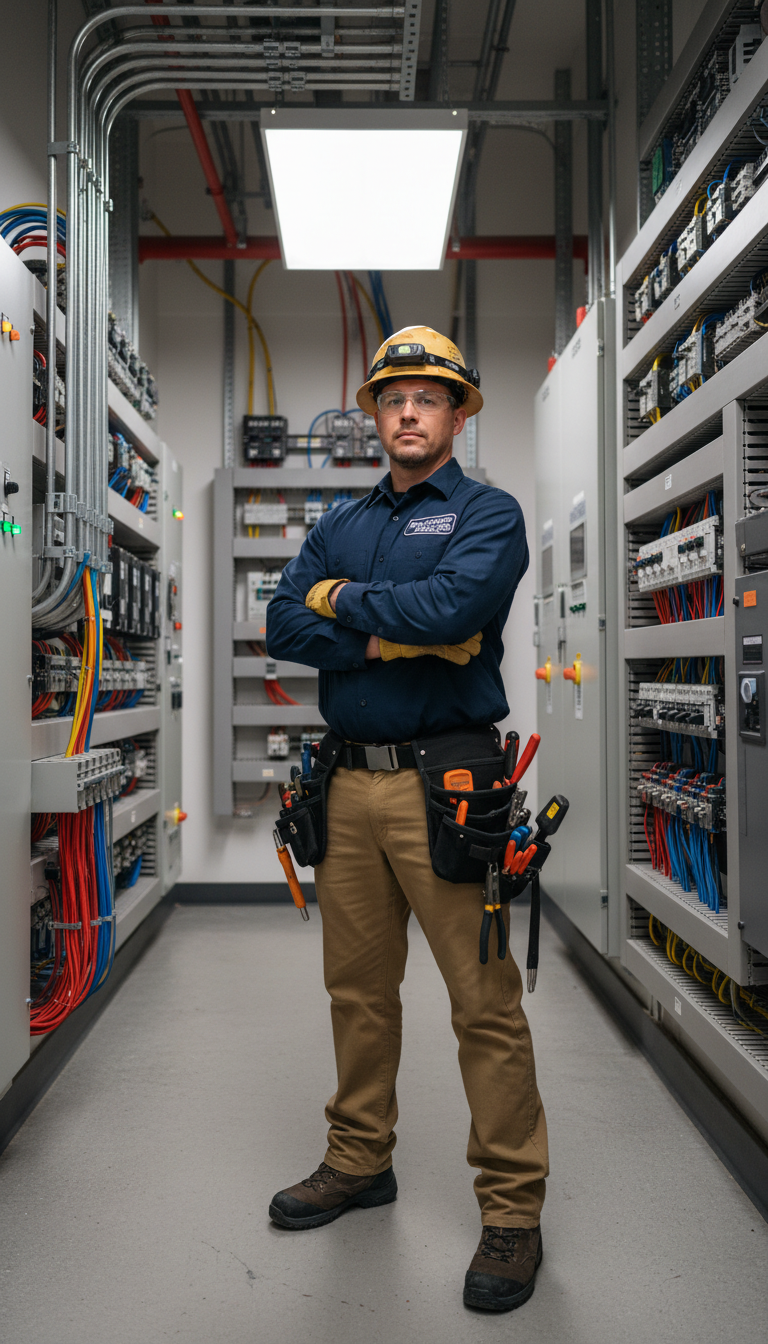
While DIY projects can be cost-effective and rewarding, some jobs are best left to professionals. If you encounter complex issues like frequent circuit breaker trips, flickering lights, or if you're unsure about any aspect of your project, don't hesitate to call a licensed electrician.
Professionals have the experience and tools needed to handle complicated electrical problems safely and efficiently. It's better to be safe than sorry when it comes to electricity.
Conclusion
DIY electrical work can be safe and efficient if you follow these essential tips. Always prioritize safety, use the right tools, and know your limits. By taking the proper precautions, you can successfully complete many small electrical projects around your home. Remember, when in doubt, always consult with or hire a professional electrician to ensure everything is done correctly.