DIY Electrical Safety Tips from Masters Electrical Inc.
AT
Understanding the Basics of Electrical Safety
When tackling DIY electrical projects, it's crucial to understand the basics of electrical safety. Electricity is a powerful force, and mishandling it can lead to severe injuries or even fatalities. At Masters Electrical Inc., we emphasize the importance of being well-prepared and informed before starting any electrical work.
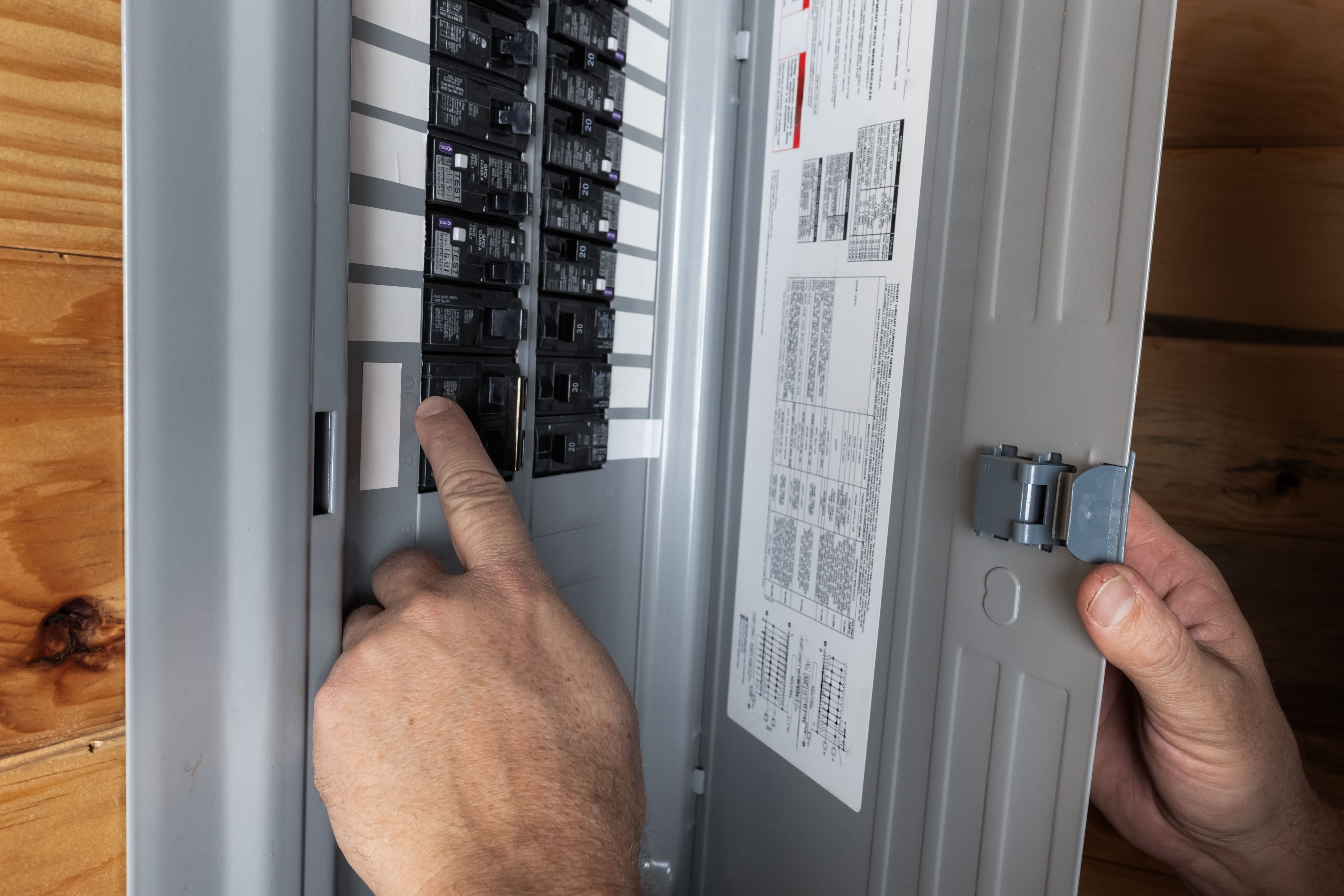
Begin by familiarizing yourself with your home's electrical system. Know where your circuit breaker box is located, and ensure it is easily accessible. Familiarize yourself with the circuit labels, as this will help you identify which circuit you need to turn off before starting any electrical work.
Wear the Right Protective Gear
Wearing the proper protective gear is essential when working with electricity. Always wear rubber-soled shoes and insulated gloves to minimize the risk of electrical shock. Avoid wearing metal jewelry, as it can conduct electricity.
Additionally, make sure your work area is dry. Water is a conductor of electricity, and working in a damp environment can increase the risk of shock. Keep a dry cloth handy to wipe away any moisture.
Tools for Electrical Safety
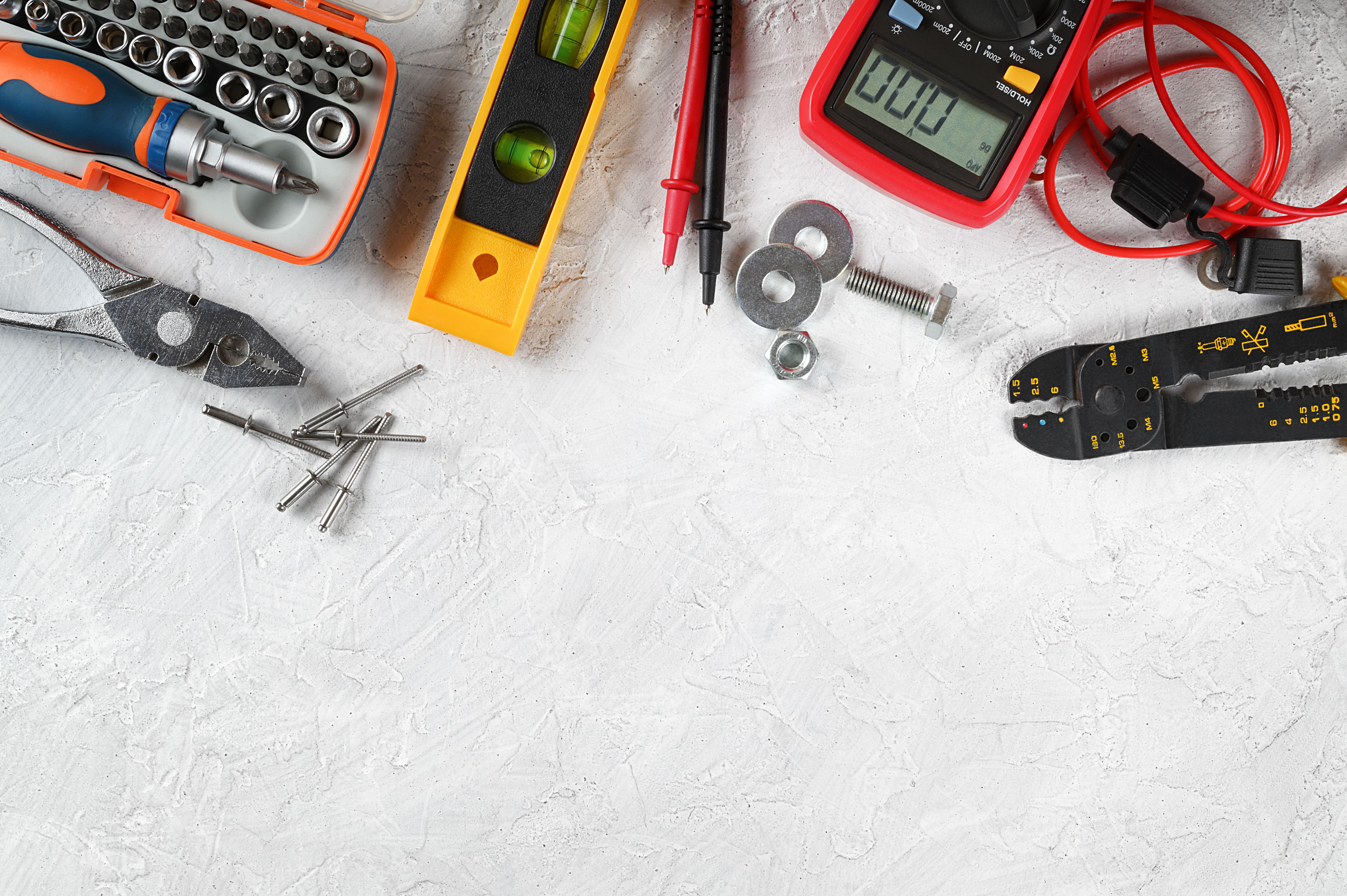
Using the right tools is another critical aspect of electrical safety. Invest in insulated tools specifically designed for electrical work. These tools provide an extra layer of protection against electrical shock.
Before using any tool, inspect it for damage. Cracks or wear can compromise the insulation, increasing the risk of electrical shock. Always use tools according to the manufacturer's instructions.
Shutting Off the Power
One of the most important steps in any DIY electrical project is ensuring the power is shut off. Before beginning work, turn off the circuit breaker for the area you'll be working on. Use a voltage tester to confirm that the power is off before touching any wires.
Remember, it's better to be overly cautious than to risk injury. If you're unsure about which circuit to turn off, it's safer to shut off the main power to your home.
Understanding Circuit Breakers
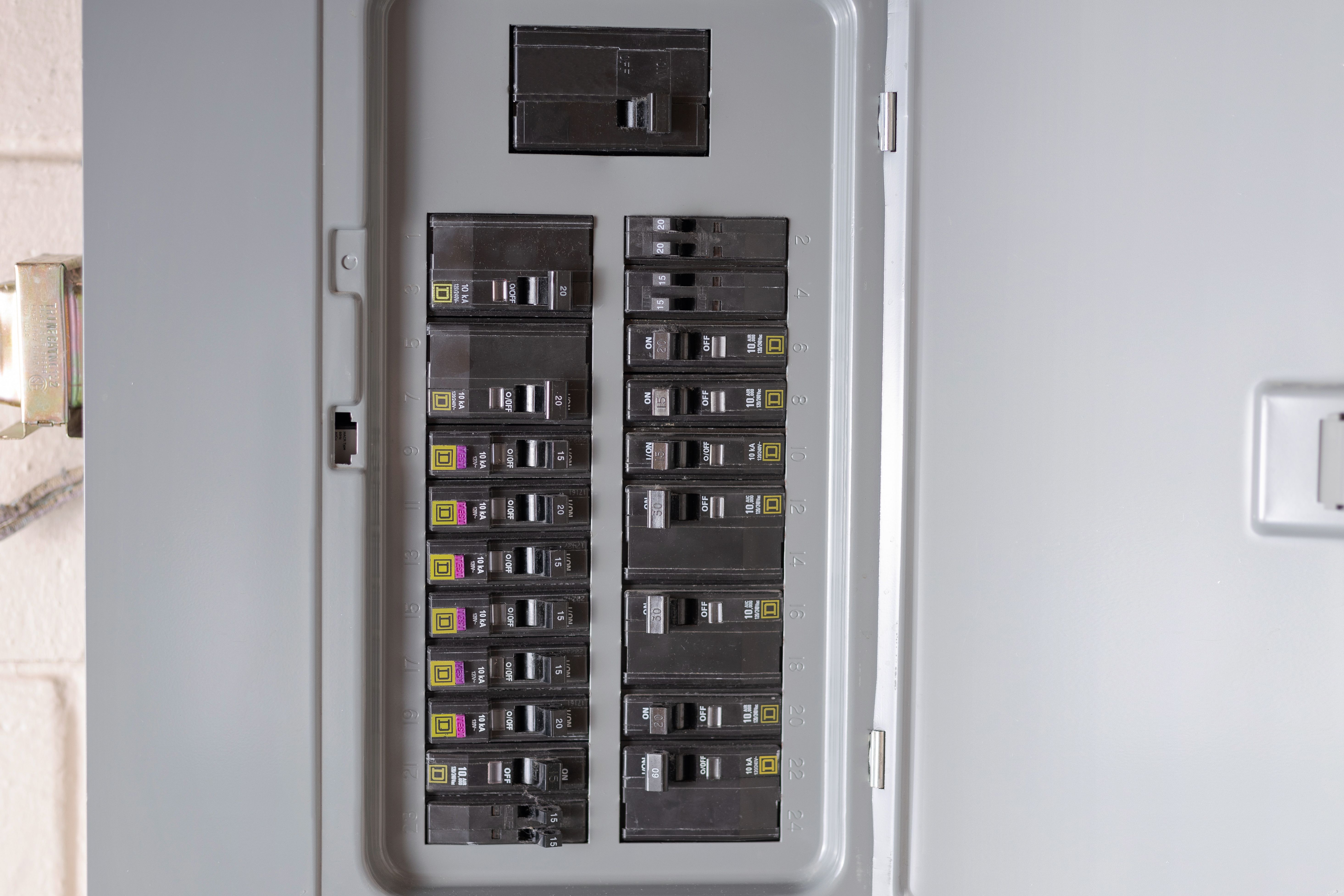
Understanding how circuit breakers work can prevent accidents and damage to your electrical system. Circuit breakers are designed to cut off electricity flow if there is an overload or short circuit. Familiarize yourself with how to reset a tripped breaker and recognize the signs of a faulty one.
Recognizing When to Call a Professional
While DIY projects can be rewarding, it's important to recognize when a task is beyond your skill level. Complex electrical projects, such as rewiring or panel upgrades, should be left to professionals.
Attempting to tackle advanced electrical work without the proper knowledge can lead to dangerous situations. If you're ever in doubt, don't hesitate to contact Masters Electrical Inc. for expert assistance.
By following these DIY electrical safety tips, you can ensure your home projects are both safe and successful. Remember, safety should always be your top priority.