
DIY Electrical Safety Tips from Professional Electricians
AT
Understanding the Basics of Electrical Safety
Working with electricity can be hazardous if you don't have the proper knowledge and experience. However, with some basic understanding and precautionary measures, you can safely handle minor electrical tasks at home. Here are some essential tips from professional electricians to ensure you stay safe while working with electrical components.
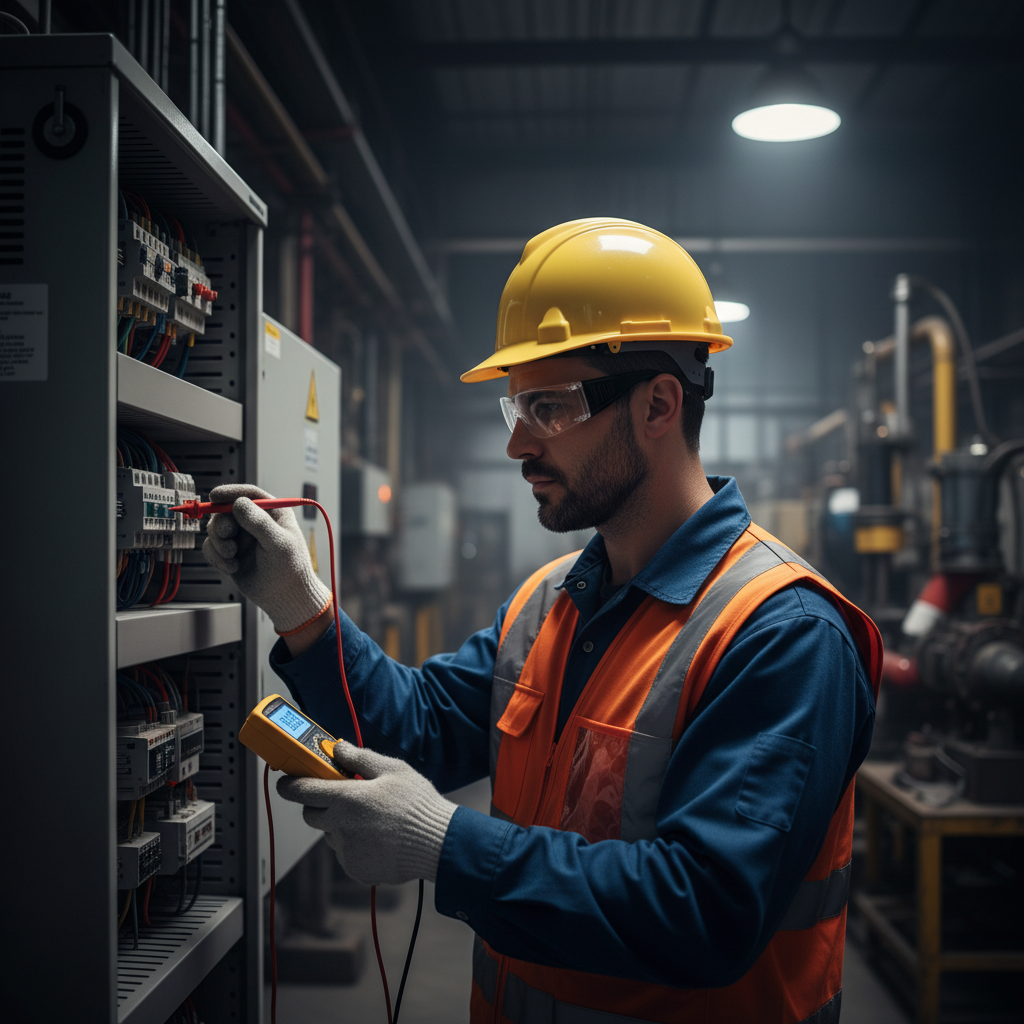
Turn Off the Power
Before starting any electrical work, the most crucial step is to turn off the power. Locate your home's main electrical panel and switch off the circuit breaker that controls the area you'll be working on. To double-check, use a voltage tester on the wires you'll be handling. This ensures that there's no electricity flowing through them, keeping you safe.
Use the Right Tools and Equipment
Using the correct tools is essential for any DIY electrical project. Make sure you have insulated tools to prevent accidental shocks. Additionally, wear rubber-soled shoes and avoid working on wet surfaces. These precautions reduce the risk of electrical hazards.
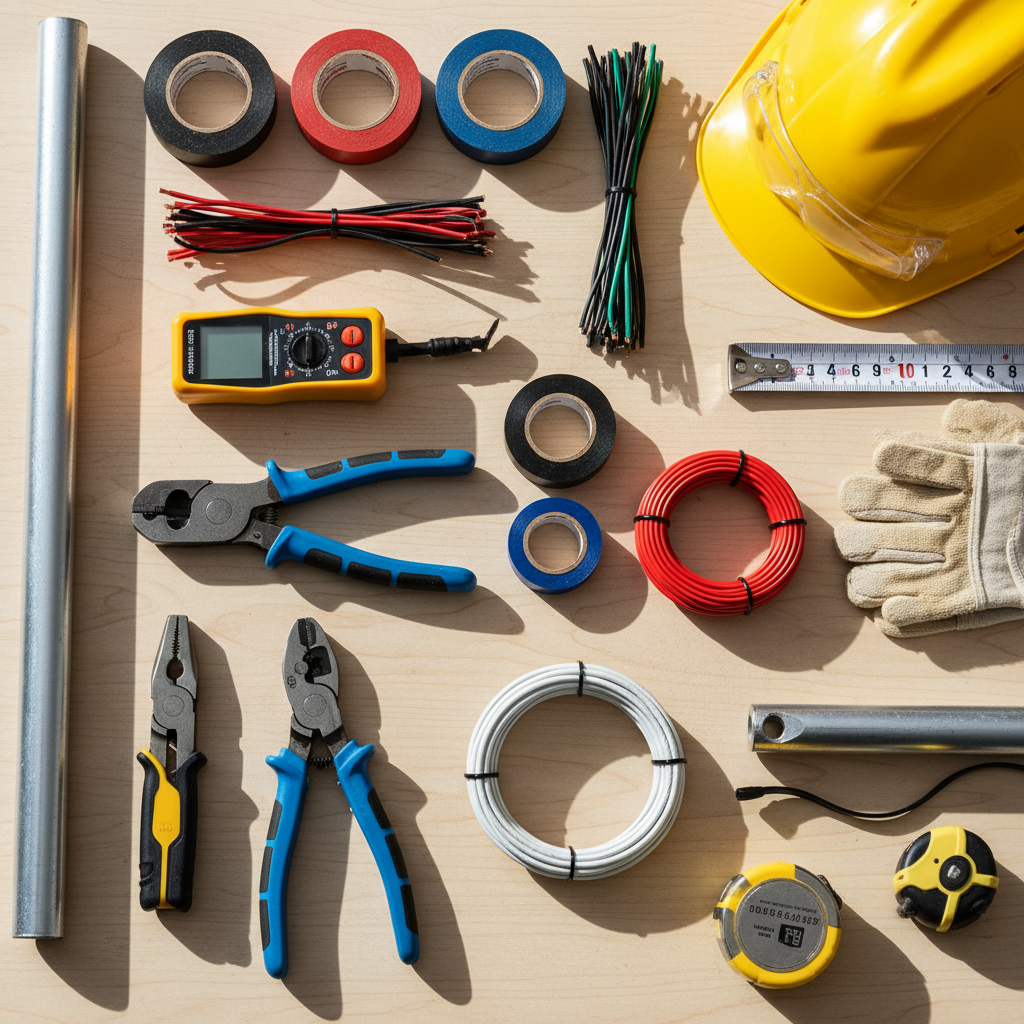
Understand Your Home's Wiring
Familiarize yourself with your home's wiring system before diving into any electrical work. Identify the type of wiring and the location of key components, such as junction boxes and outlets. Understanding these basics helps in planning your project and avoiding costly mistakes.
Avoid Overloading Circuits
One common mistake is overloading circuits, which can lead to electrical fires. To prevent this, distribute your electrical load evenly across different circuits. If you're unsure about your circuit's capacity, consult your home's electrical plan or seek advice from a professional electrician.
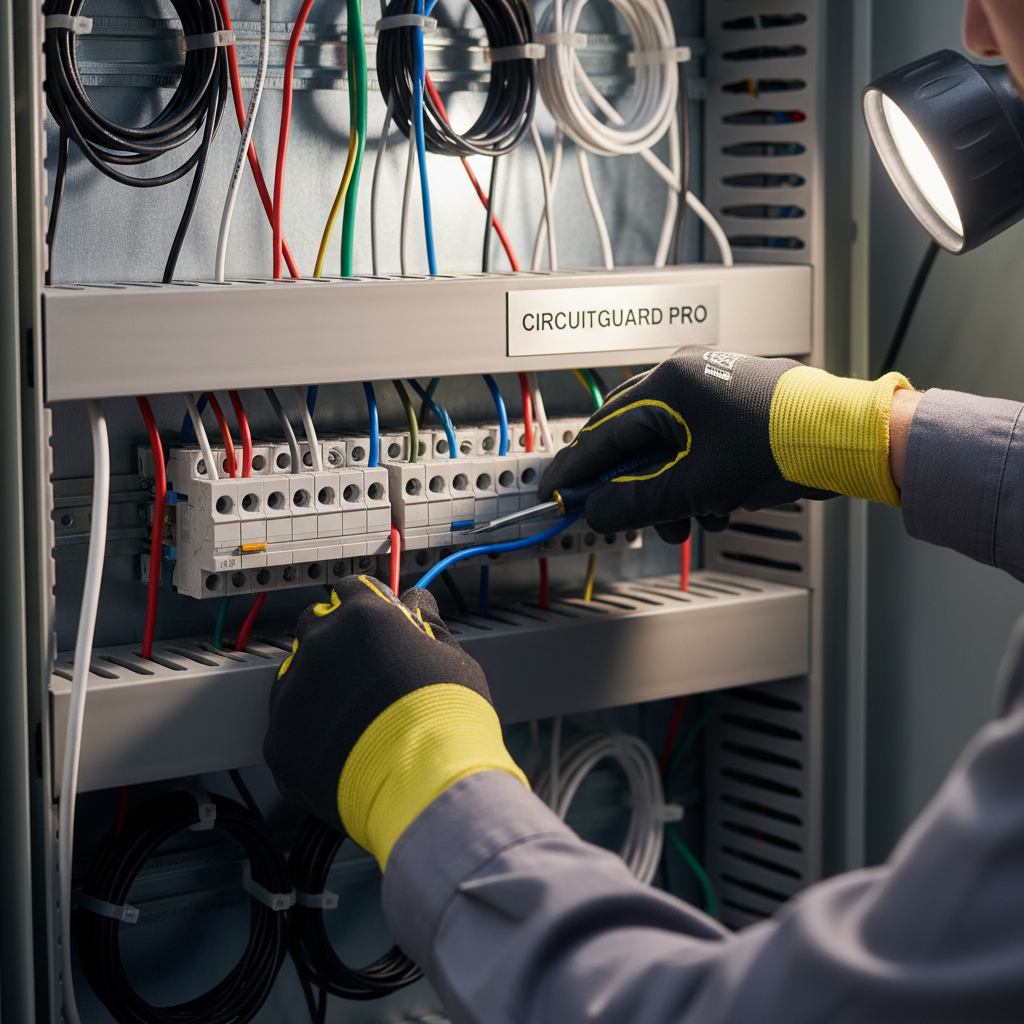
Install Ground Fault Circuit Interrupters (GFCIs)
GFCIs are devices that protect against electrical shock by shutting off the power when a ground fault is detected. They are particularly important in areas with high moisture, such as bathrooms and kitchens. Installing GFCIs adds an extra layer of safety to your home.
Regularly Inspect Electrical Components
Even if you're not planning any DIY projects, regular inspection of your home's electrical components is crucial. Look for signs of wear, such as frayed wires or burnt outlets. Address these issues immediately to prevent potential hazards.
Know When to Call a Professional
While DIY projects can be rewarding, knowing your limits is essential. If a task seems too complex or involves significant rewiring, it's best to call a professional electrician. They have the expertise to handle challenging electrical issues safely.
Conclusion
By following these DIY electrical safety tips, you can tackle minor electrical projects with confidence. Always prioritize safety, and don't hesitate to seek professional help when needed. With the right approach, you can keep your home safe and efficiently powered.