
The Future of Smart Homes: Trends in Home Automation
AT
Introduction to Smart Homes
The concept of smart homes has evolved rapidly in recent years, transforming the way we interact with our living spaces. With advancements in technology, home automation has become more accessible and sophisticated. The future of smart homes promises even greater integration, convenience, and efficiency.
Integration of AI and Machine Learning
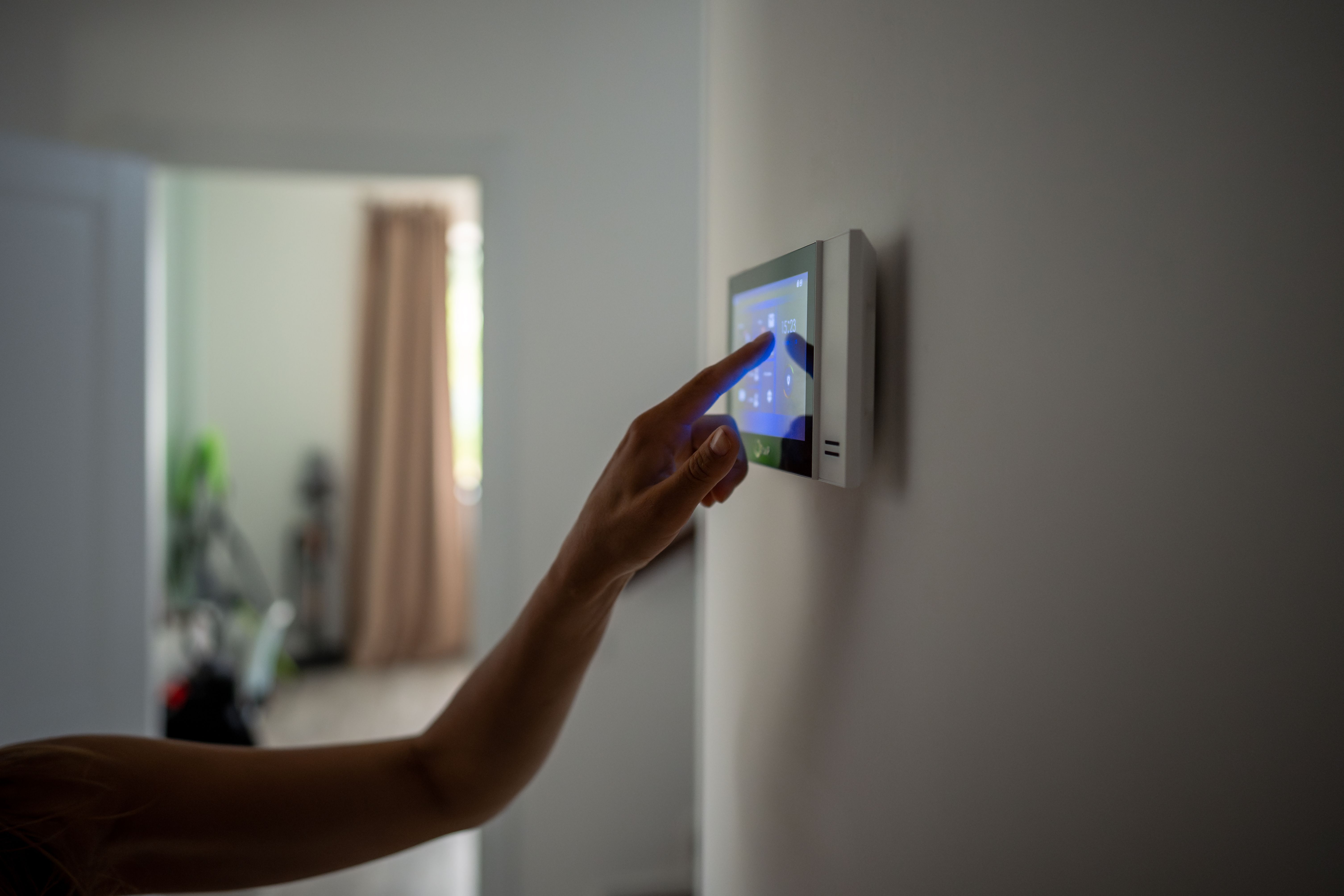
Artificial intelligence (AI) and machine learning are at the forefront of smart home technology. These innovations enable devices to learn from user behavior and preferences, providing a personalized experience. AI-driven systems can predict your needs, adjust settings automatically, and even suggest improvements for energy efficiency.
Voice-Activated Controls
Voice assistants like Alexa, Google Assistant, and Siri are becoming central to home automation. They allow users to control devices hands-free, making interactions seamless and convenient. The future will see more advanced voice recognition, enabling nuanced commands and multilingual support.
Enhanced Security Features
Security is a major concern for homeowners, and smart home systems are addressing this with enhanced features. Biometric authentication, advanced surveillance cameras, and real-time alerts offer peace of mind. These systems are becoming smarter, providing insights into potential security threats and suggesting preventive measures.

Smart Locks and Access Control
Smart locks are revolutionizing home security by allowing remote access control. Users can grant temporary access to visitors, track entry times, and receive notifications of unusual activity. As technology progresses, these systems will integrate more deeply with other smart home devices for comprehensive security management.
Energy Efficiency and Sustainability
Smart homes are paving the way for sustainable living. Automated systems can optimize energy usage by adjusting lighting, heating, and cooling based on occupancy and time of day. This not only reduces utility bills but also minimizes the carbon footprint of households.
Smart Appliances
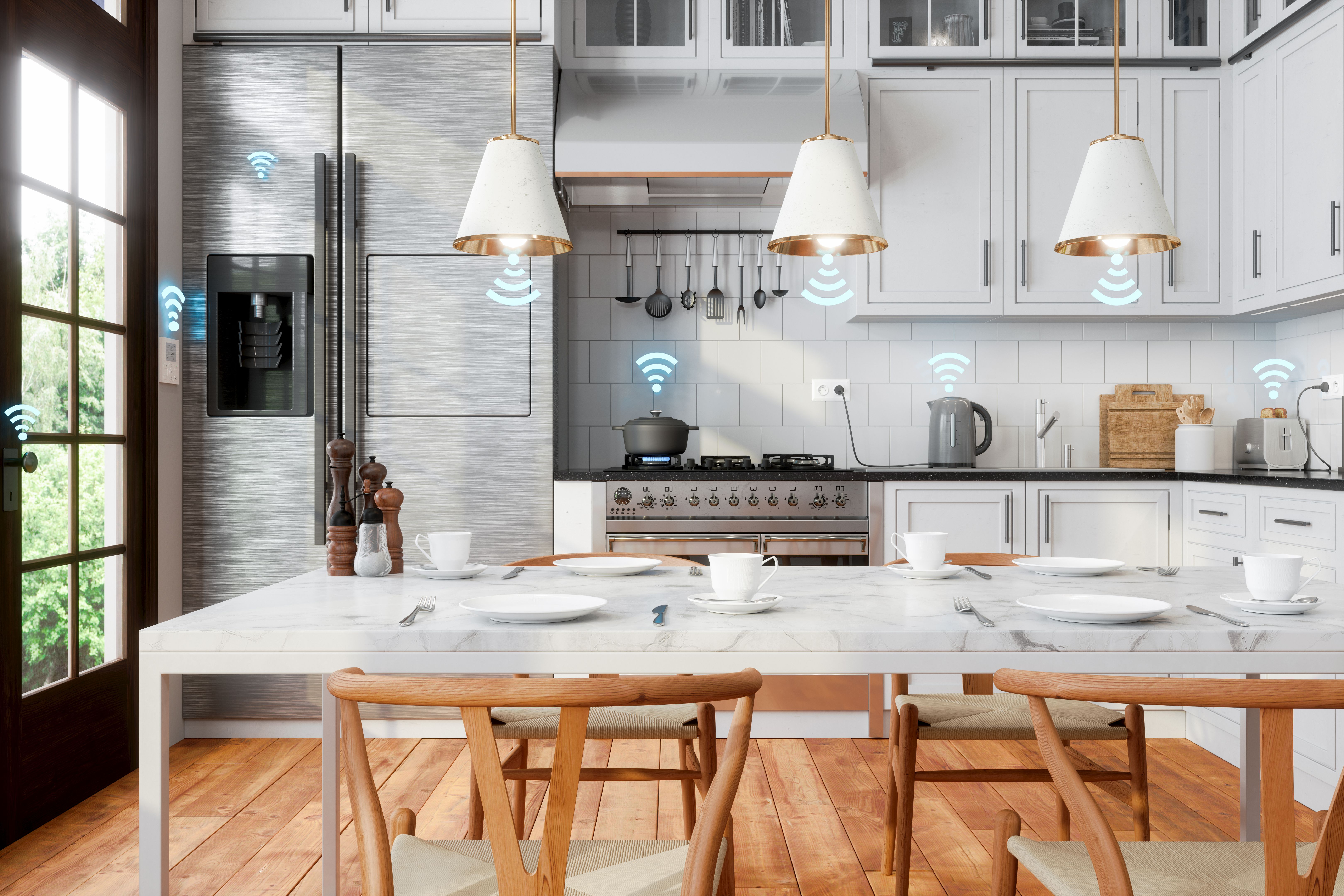
Smart appliances like refrigerators, ovens, and washing machines are designed to operate efficiently and interact with other devices. They can provide maintenance alerts, suggest optimal settings, and even order supplies automatically. This connectivity enhances convenience and promotes sustainability.
Interconnectivity and the IoT
The Internet of Things (IoT) is the backbone of smart homes, connecting devices and enabling seamless communication. As more devices become IoT-enabled, the potential for interconnectivity grows. This will lead to more cohesive home automation systems that function as a unified ecosystem.
Challenges and Considerations
While the future of smart homes is promising, there are challenges to address. Privacy concerns, cybersecurity threats, and the need for standardization are key considerations. Ensuring robust security measures and clear privacy policies will be essential as technology continues to advance.
Conclusion
The future of smart homes is bright, with technology driving innovation and enhancing our daily lives. As we embrace these advancements, it is crucial to balance convenience with security and sustainability. The journey towards fully automated homes is just beginning, and the possibilities are endless.