The Ultimate Guide to EV Installation: What to Know Before You Start
AT
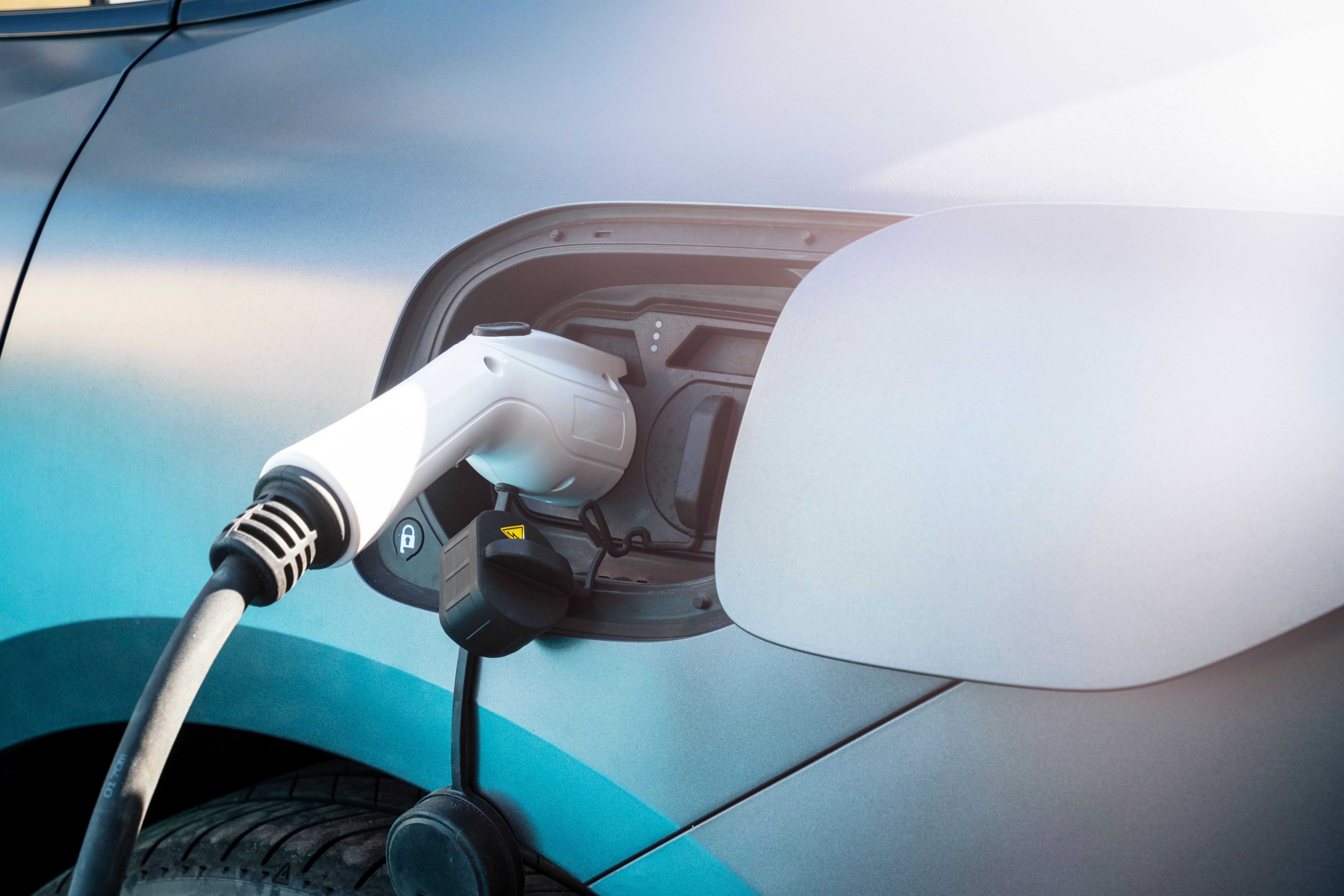
Electric vehicles (EVs) are becoming increasingly popular as more people look for sustainable and cost-effective transportation options. However, owning an electric vehicle comes with the responsibility of ensuring it is properly charged. Before diving into EV installation, it's crucial to understand the essentials to make an informed decision.
Understanding Your Home's Electrical Capacity
Before installing an EV charger, it's vital to assess your home's electrical capacity. Most homes can handle the additional load, but a professional evaluation is recommended. Ensure your electrical panel can support the charger without overloading.
If your panel is outdated, you may need an upgrade. This can be a significant investment, so consider this when planning your installation. Consult with a licensed electrician to get accurate insights and recommendations.
Types of EV Chargers
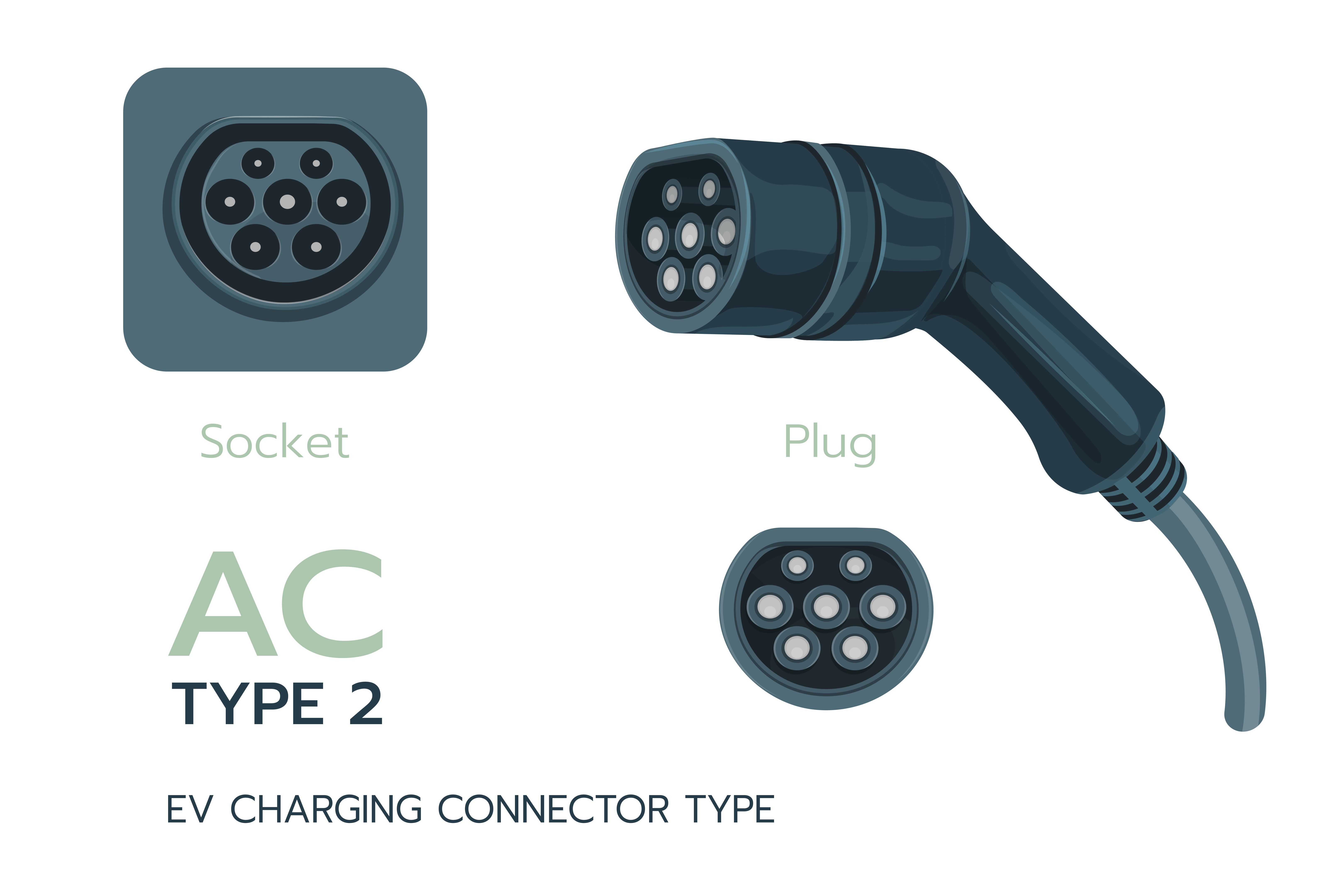
EV chargers come in different levels, primarily Level 1 and Level 2 for residential use. Level 1 chargers use a standard 120-volt outlet and are the most basic option. They are slower but may suffice for drivers with short commutes.
Level 2 chargers require a 240-volt outlet and charge significantly faster. They are ideal for those who need to charge their vehicle quickly and regularly. Consider your driving habits when selecting the right charger.
Installation Process
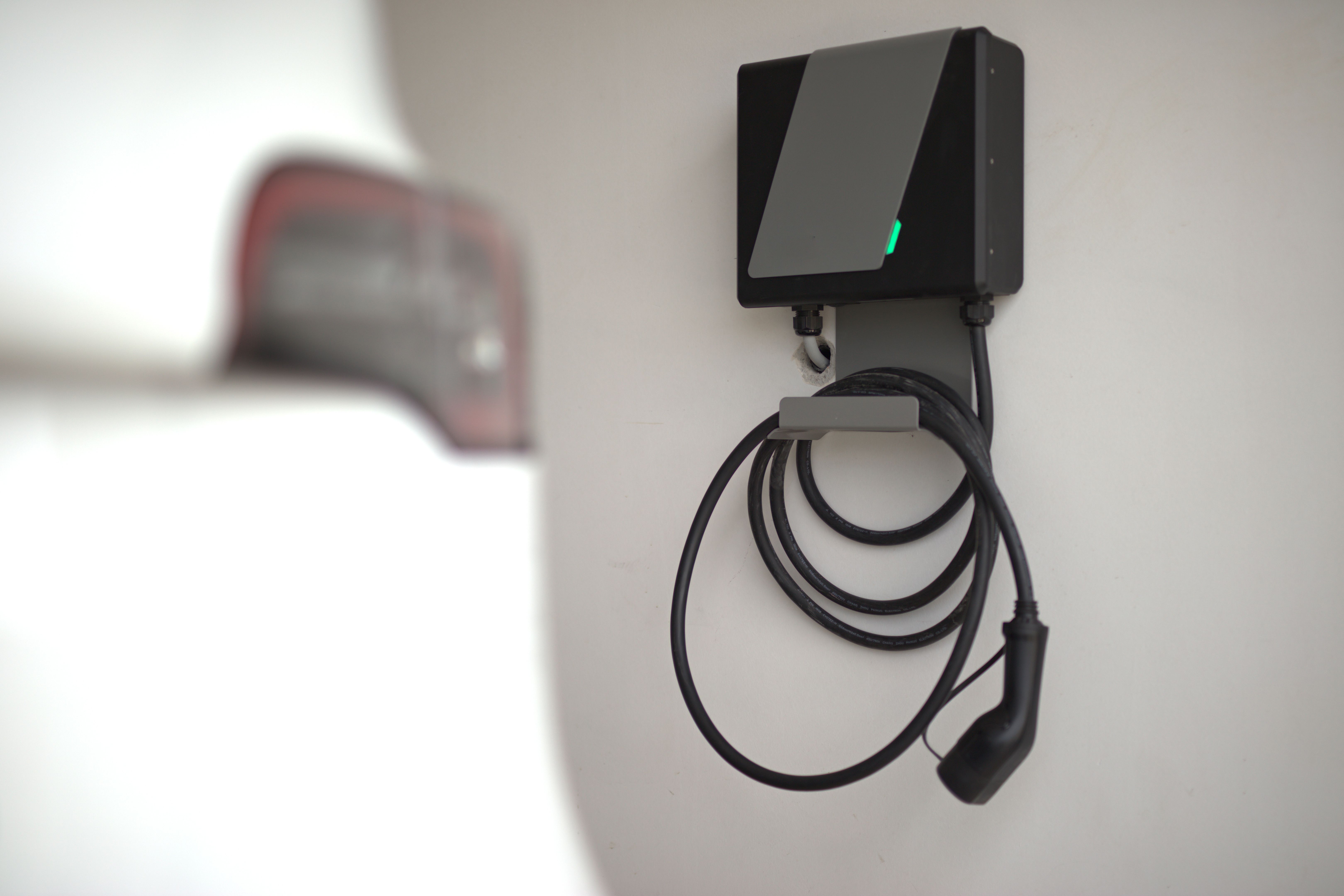
The installation process for EV chargers involves several steps. First, select a suitable location, usually near your parking space. Ensure the spot is convenient and safe for regular use.
Next, hire a certified electrician to handle the installation. They will ensure that all electrical work complies with local codes and regulations. Proper installation is crucial for safety and efficiency.
Costs and Incentives
The cost of installing an EV charger can vary widely based on factors like charger type and electrical upgrades. On average, expect to spend between $500 and $2,000. However, many regions offer incentives and rebates that can help offset these costs.
Research local and federal programs that provide financial assistance for EV charger installations. These incentives can significantly reduce your overall expenses.
Maintenance and Troubleshooting
Once your EV charger is installed, regular maintenance is key to ensuring its longevity. Keep the charger clean and inspect cables for wear and tear periodically. Most issues can be resolved with basic troubleshooting, but professional assistance may be needed for more complex problems.
By understanding these key aspects, you can make informed decisions about EV installation, ensuring a seamless charging experience for your electric vehicle.