
Understanding Electrical Codes in Michigan: A Homeowner's Guide
AT
As a homeowner in Michigan, understanding electrical codes is crucial for ensuring the safety and efficiency of your home's electrical system. Whether you're planning a renovation, adding new appliances, or simply curious about the standards, it's important to familiarize yourself with the basic requirements and guidelines.
What Are Electrical Codes?
Electrical codes are a set of regulations that dictate how electrical systems should be designed, installed, and maintained. In Michigan, these codes are based on the National Electrical Code (NEC), which is updated every three years to reflect new safety standards and technological advancements.
The primary goal of these codes is to prevent electrical hazards such as shocks, fires, and other dangers. By adhering to these standards, homeowners can ensure their electrical systems are both safe and efficient.
Key Aspects of Michigan Electrical Codes
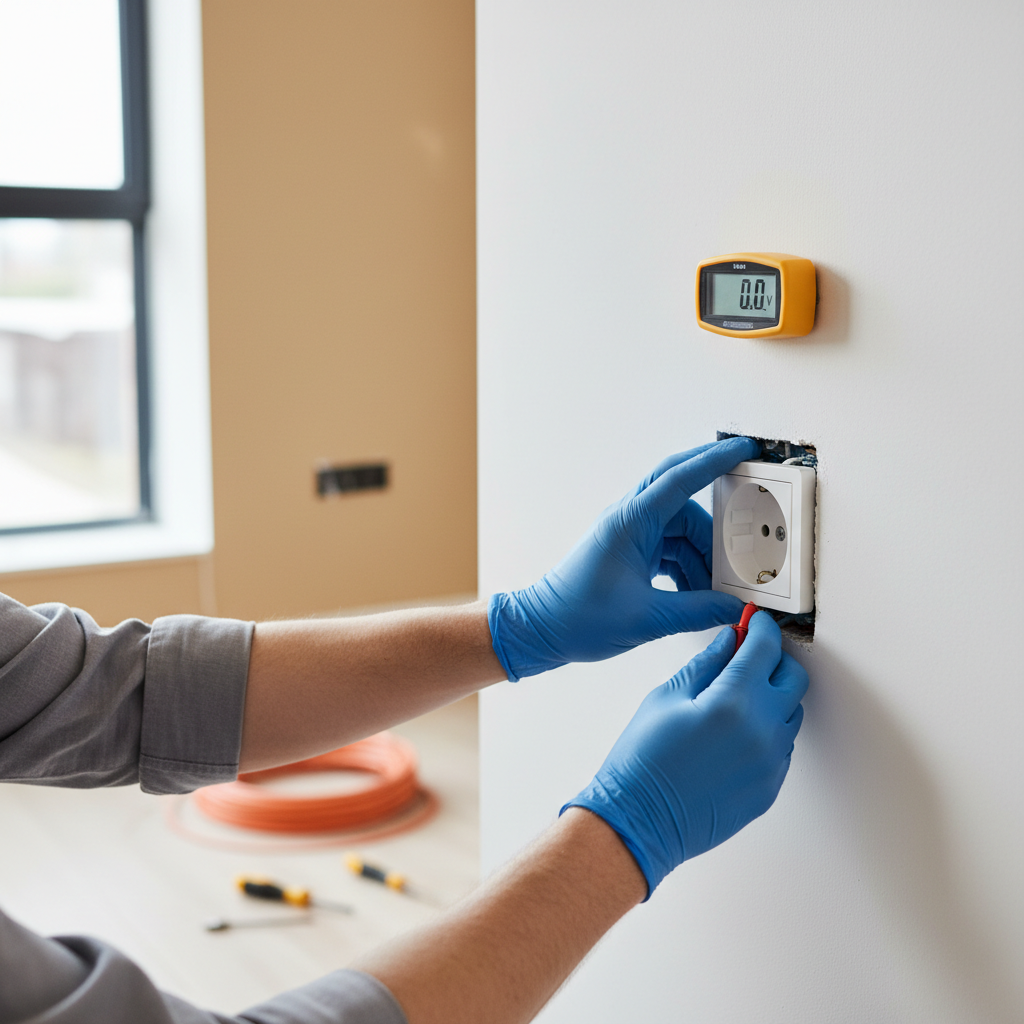
Understanding some of the key aspects of Michigan's electrical codes can help you navigate your home improvement projects more effectively. Here are a few important elements to consider:
Grounding and Bonding
Grounding and bonding are essential for preventing electrical shock and ensuring system stability. Grounding provides a path for electrical currents to safely dissipate into the earth, while bonding ensures that metal parts of the electrical system are connected, reducing the risk of electric shock.
Wiring and Circuits
Proper wiring and circuit design are crucial components of electrical safety. Michigan codes specify the types and sizes of wires that should be used for different applications, as well as the number of circuits required for different areas of the home.
Inspections and Permits
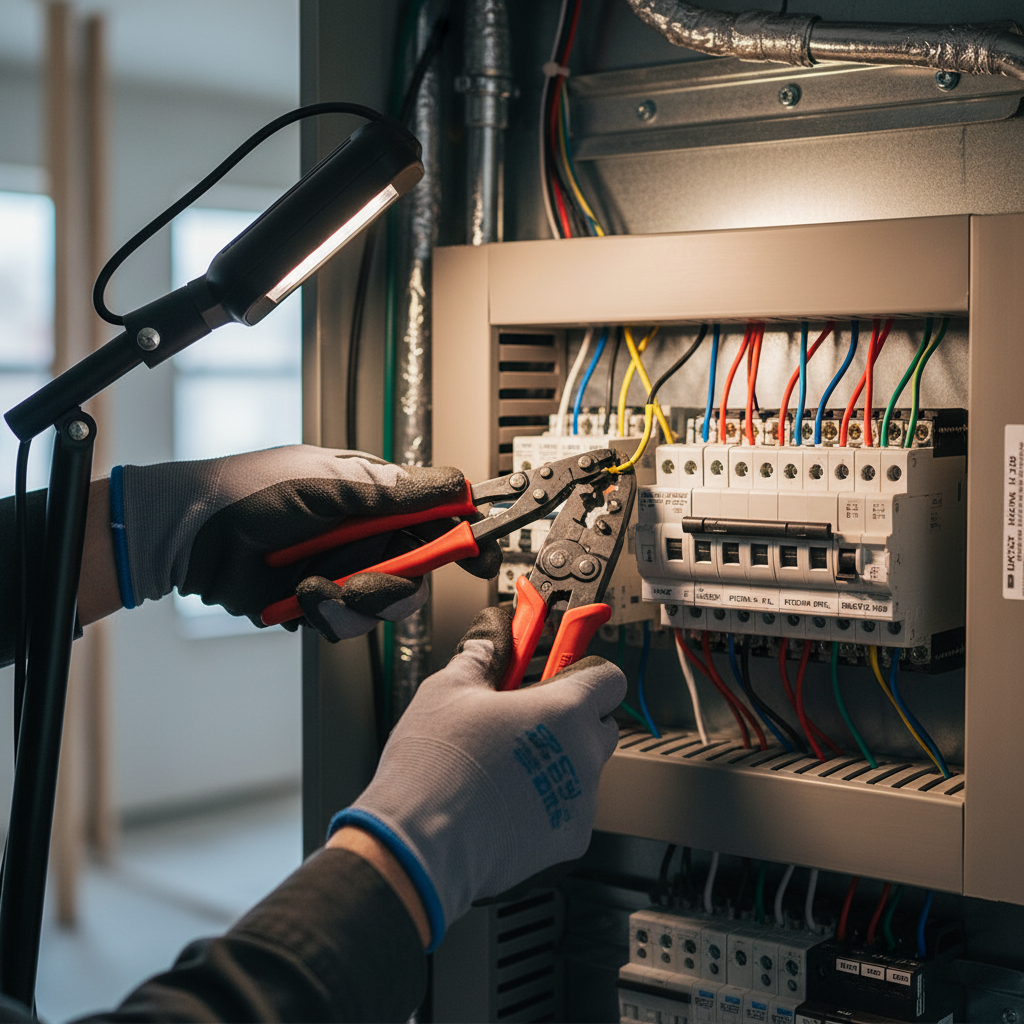
Before undertaking any major electrical work, it's important to understand the inspection and permitting process in Michigan. Permits ensure that all work complies with local codes and is performed safely.
When to Obtain a Permit
Permits are typically required for new constructions, major renovations, and significant electrical upgrades. Failing to obtain the necessary permits can lead to fines and may complicate future home sales.
The Inspection Process
Once your electrical work is completed, an inspection is usually required to verify compliance with the codes. An inspector will evaluate the work and ensure it's safe for use, providing peace of mind for homeowners.
DIY vs. Professional Help
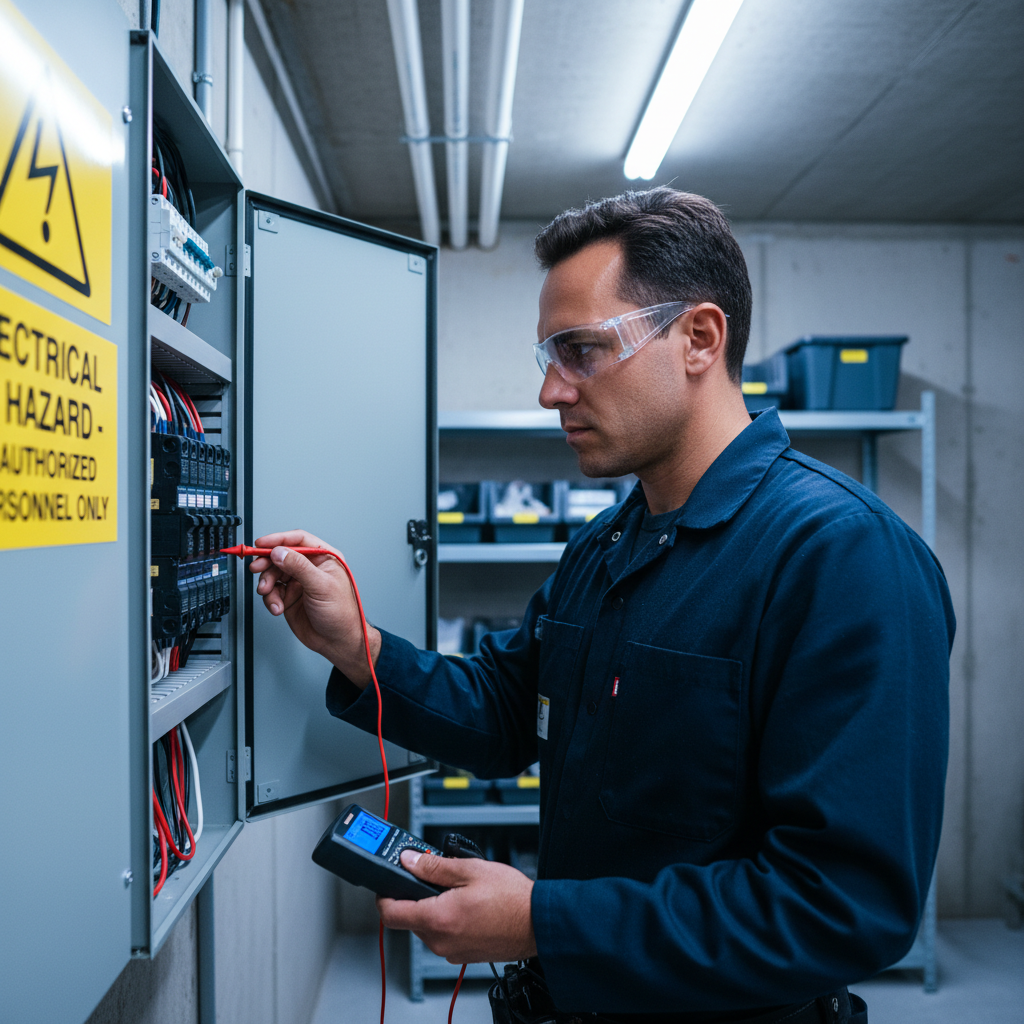
While some homeowners may feel comfortable tackling small electrical projects, it's essential to know when to call in a professional. Complex tasks, such as rewiring or upgrading panels, require the expertise of a licensed electrician to ensure safety and compliance.
By understanding Michigan's electrical codes and knowing when to seek professional help, you can maintain a safe and efficient electrical system in your home. Staying informed about these standards not only protects your property but also ensures the safety of your family.