
Understanding Local Electrical Codes in Michigan: A Homeowner's Guide
AT
Introduction to Electrical Codes
As a homeowner in Michigan, understanding local electrical codes is essential for ensuring safety and compliance during any electrical projects. These codes are designed to protect residents by setting standards for electrical installations and maintenance. Familiarizing yourself with these guidelines can help prevent costly mistakes and ensure your home remains safe.
Why Electrical Codes Matter
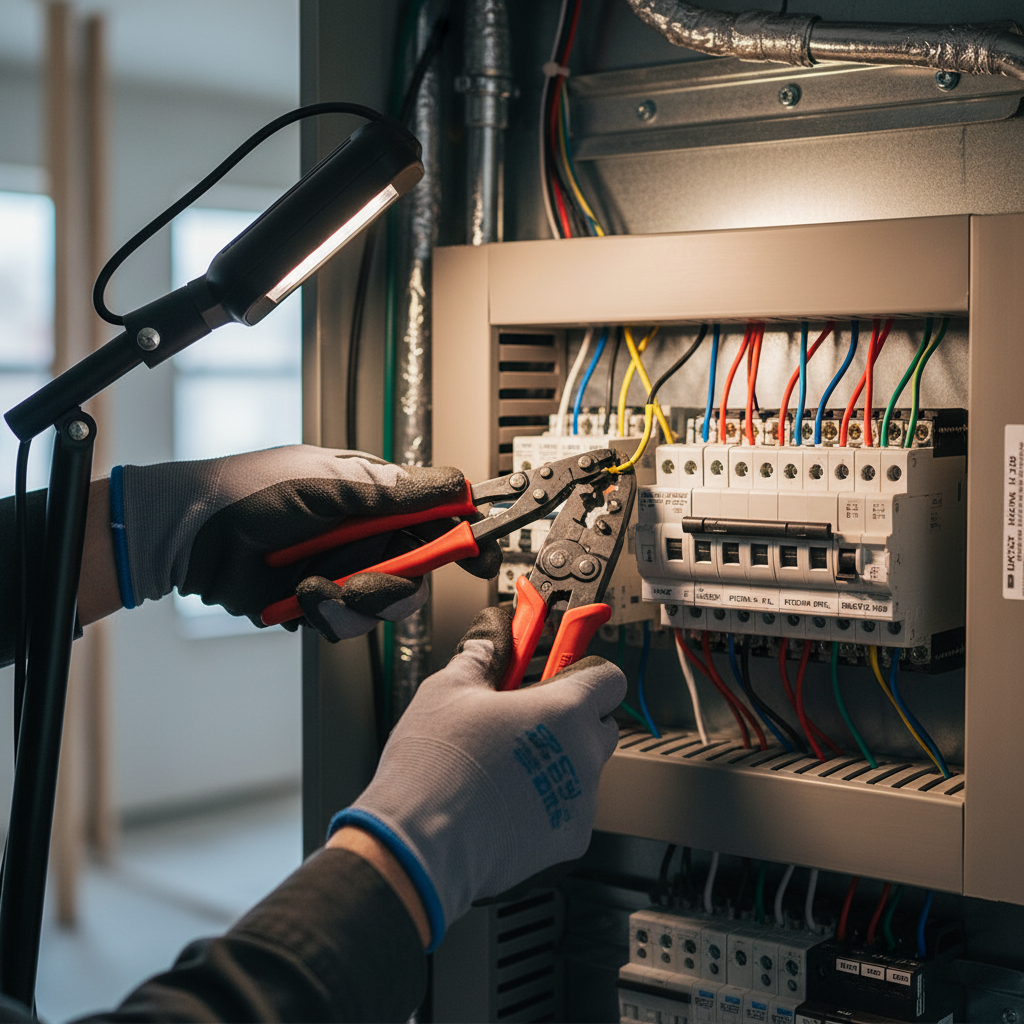
Electrical codes are not just bureaucratic hurdles; they are vital for maintaining safety standards in residential and commercial properties. These regulations help prevent electrical fires, shocks, and other hazards by enforcing practices that ensure safe electrical system installations.
In Michigan, the state follows the National Electrical Code (NEC) with some state-specific amendments. Staying informed about these codes before starting any electrical work can save you from potential legal and safety issues.
Key Components of Michigan's Electrical Codes
Permits and Inspections
Before starting any electrical project, it's crucial to obtain the necessary permits. This ensures that your work will be inspected for compliance with state codes. Inspections are typically required for new construction, renovations, and significant alterations to existing electrical systems.

Wiring and Circuitry
Michigan’s electrical codes specify the types of wiring and circuitry that must be used in residential homes. This includes guidelines on wire sizes, circuit breakers, and the installation of outlets and switches. Ensuring that your wiring adheres to these standards is essential for safety and efficiency.
Common Electrical Code Violations
Understanding common violations can help you avoid mistakes. Some frequent issues include using incorrect wire sizes, failing to install ground fault circuit interrupters (GFCIs) in wet areas, and improperly securing wiring. Addressing these issues before an inspection can save time and money.

Working with Professionals
While some homeowners may feel confident handling minor electrical tasks, larger projects often require professional expertise. Licensed electricians are well-versed in local codes and can ensure that your project is both safe and compliant. Hiring a professional can also expedite the permit and inspection process.
DIY vs. Professional Help
When considering a DIY approach, weigh the risks and benefits. Simple tasks like replacing a light fixture may be manageable, but extensive rewiring should always be handled by a professional. Remember, safety must always come first.
Staying Updated with Code Changes
Electrical codes can change, and staying updated is crucial for ongoing compliance. Regularly check with local building authorities or consult a licensed electrician to ensure you are aware of any new regulations or amendments.
By understanding and adhering to Michigan’s electrical codes, you can confidently tackle your home electrical projects while ensuring safety and compliance.