Understanding Local Electrical Regulations in Michigan: What Homeowners Need to Know
AT
Understanding Local Electrical Regulations in Michigan
When it comes to home improvement projects, understanding local electrical regulations is crucial for homeowners in Michigan. Compliance not only ensures the safety of your household but also protects you from potential legal issues. This guide will help you navigate the essential aspects of Michigan's electrical regulations.
Why Electrical Codes Matter
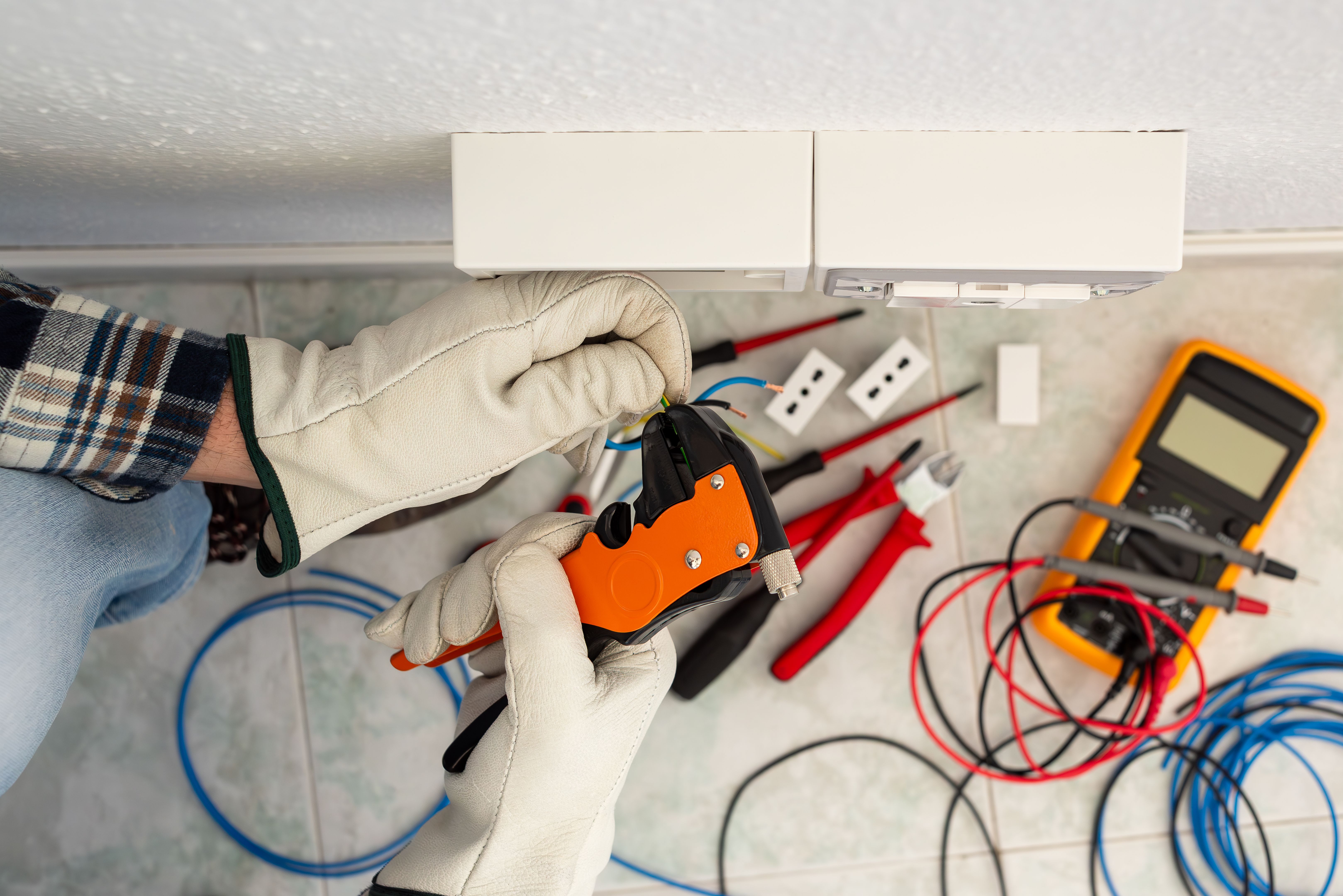
Electrical codes are designed to protect both property and lives. Adherence to these codes can prevent fires, electrical shocks, and other hazards. In Michigan, the electrical code is based on the National Electrical Code (NEC) with specific amendments that address local needs.
It’s essential for homeowners to be aware of these regulations when planning any electrical work. Whether you're upgrading your electrical system or adding new installations, compliance with the code is mandatory.
Permits and Inspections
For most electrical work in Michigan, obtaining a permit is necessary. This requirement applies to tasks such as installing new circuits, upgrading panels, or even significant rewiring projects. Permits ensure that the work is inspected and meets safety standards.
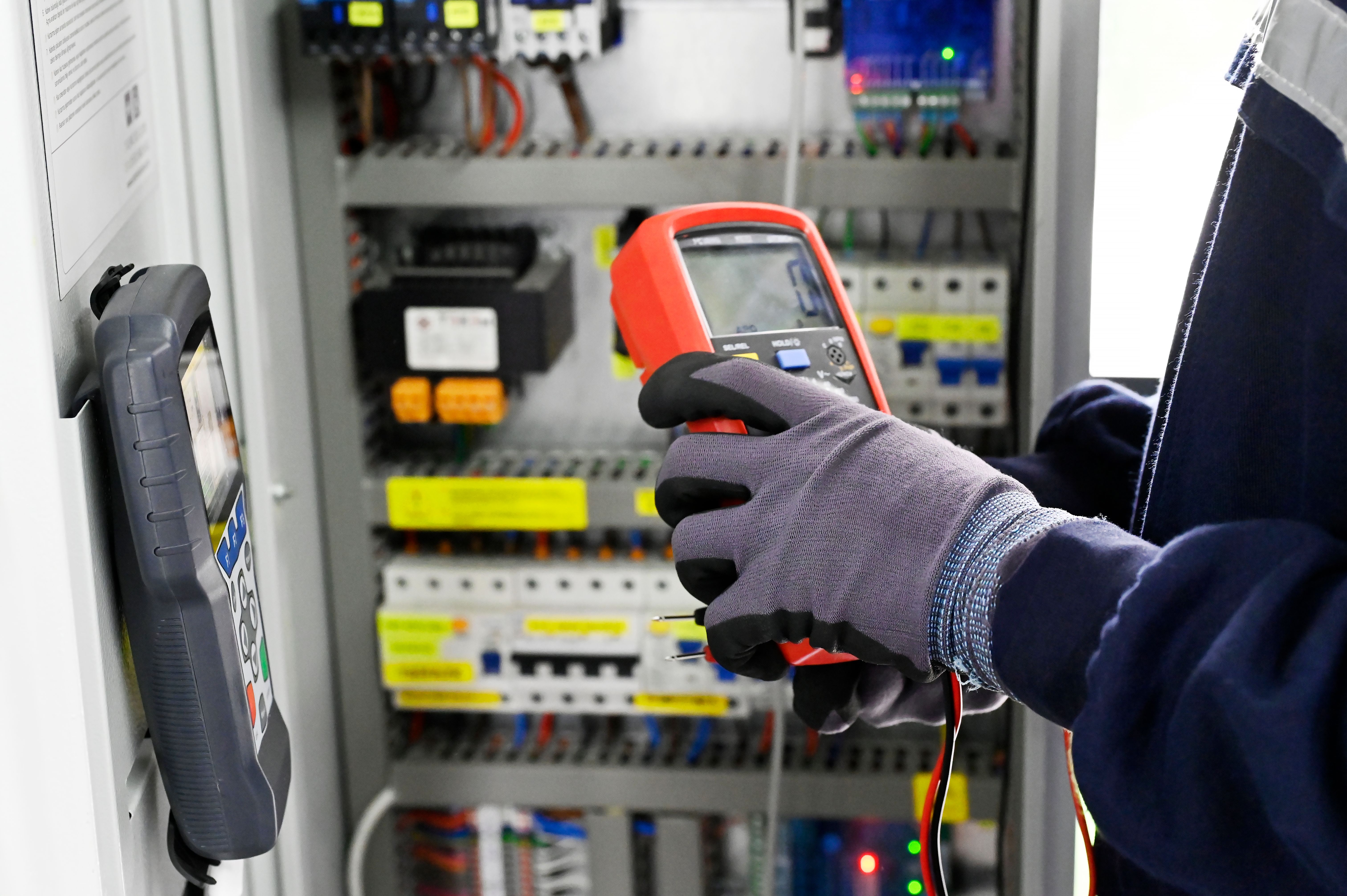
After the work is completed, an inspection is typically required. This step ensures that all installations conform to the local code and are safe to use. Failing to secure a permit or inspection can result in fines and may void your homeowner's insurance.
DIY vs. Hiring a Professional
While some homeowners may consider tackling electrical projects themselves, Michigan regulations often necessitate hiring a licensed electrician. Professionals are well-versed in both the national and local codes, ensuring that all work is compliant and safe.
- Licensed electricians have the expertise to handle complex tasks.
- They can efficiently navigate permit applications and inspections.
- Hiring a professional can provide peace of mind and reduce risk.
Staying Updated with Code Changes
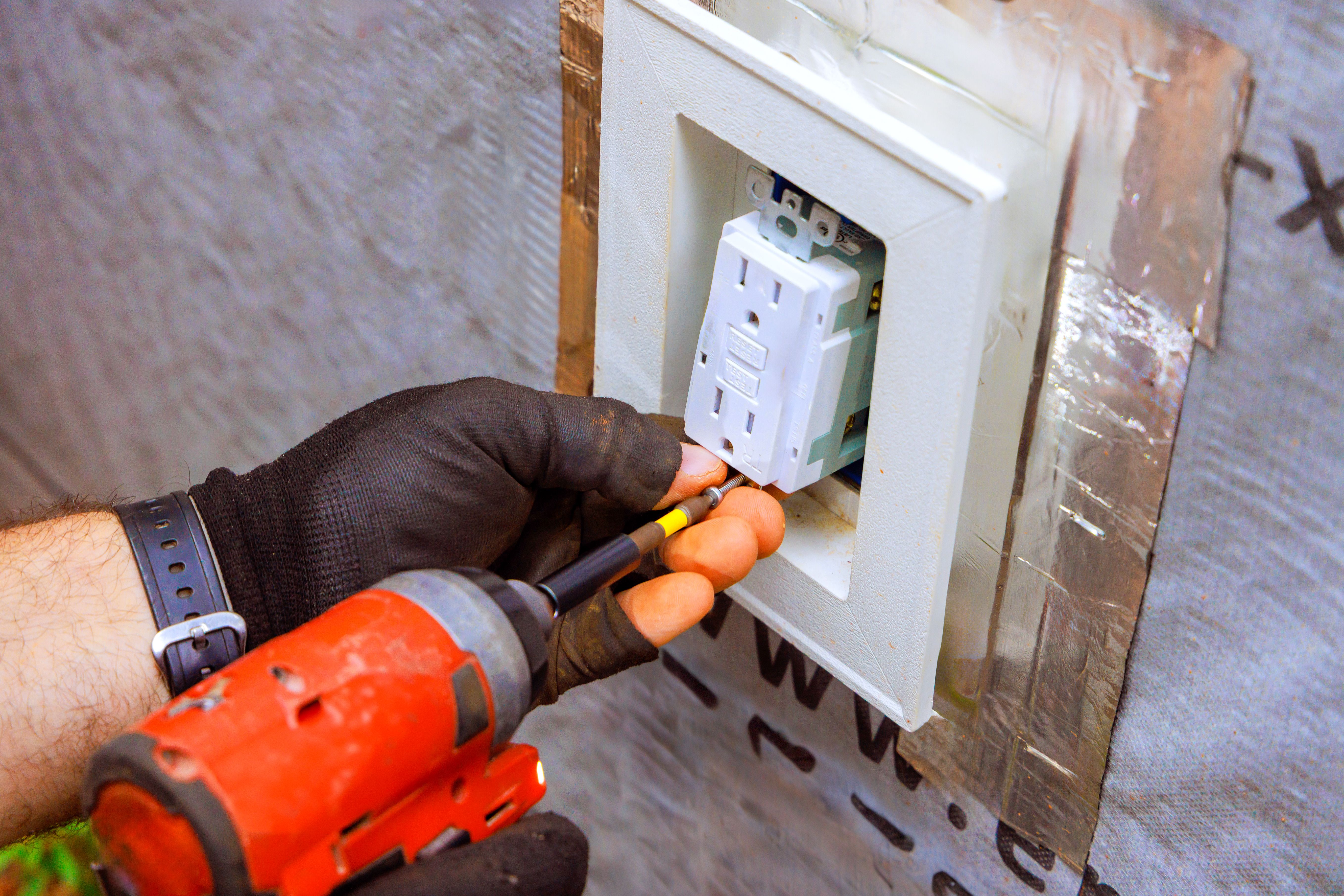
Electrical codes are periodically updated to reflect new safety standards and technological advances. Homeowners should stay informed about these changes to ensure ongoing compliance. Regularly consulting with a licensed electrician can help you keep your electrical systems up to date.
Additionally, local government websites and community workshops can be valuable resources for learning about code updates and best practices.
Common Electrical Code Violations
Understanding common violations can help homeowners avoid costly mistakes. Some frequent issues include improper grounding, overloaded circuits, and incorrect wiring methods. Being aware of these can guide you in maintaining a safe home environment.
- Improper installation of circuit breakers.
- Failure to use ground fault circuit interrupters (GFCIs) in required areas.
- Incorrectly sized wires for specific circuit loads.
By proactively addressing these issues, homeowners can enhance the safety and efficiency of their electrical systems.