Understanding the Cost of Generator Installation and Maintenance
AT
Introduction to Generator Installation Costs
Investing in a generator can be a wise decision for ensuring uninterrupted power supply during outages. However, understanding the cost of installation and maintenance is crucial. The expenses can vary widely based on several factors, including the type of generator and the complexity of the installation process.
Factors Affecting Installation Costs
The primary factors influencing the cost of generator installation include the type of generator, the location of installation, and the complexity of the setup. Portable generators typically cost less to install than standby generators, which require more extensive electrical work and potential modifications to your property.
The location also plays a significant role. Installing a generator in an easily accessible area with existing electrical infrastructure can reduce costs. Conversely, installations in more challenging locations may incur additional expenses due to the need for extra materials or labor.
Understanding Maintenance Expenses
Maintenance is a vital aspect of ensuring your generator functions efficiently. Regular servicing not only prolongs the life of the generator but also ensures it operates when needed. The cost of maintenance can depend on the generator type and usage frequency.
Routine Maintenance Tasks
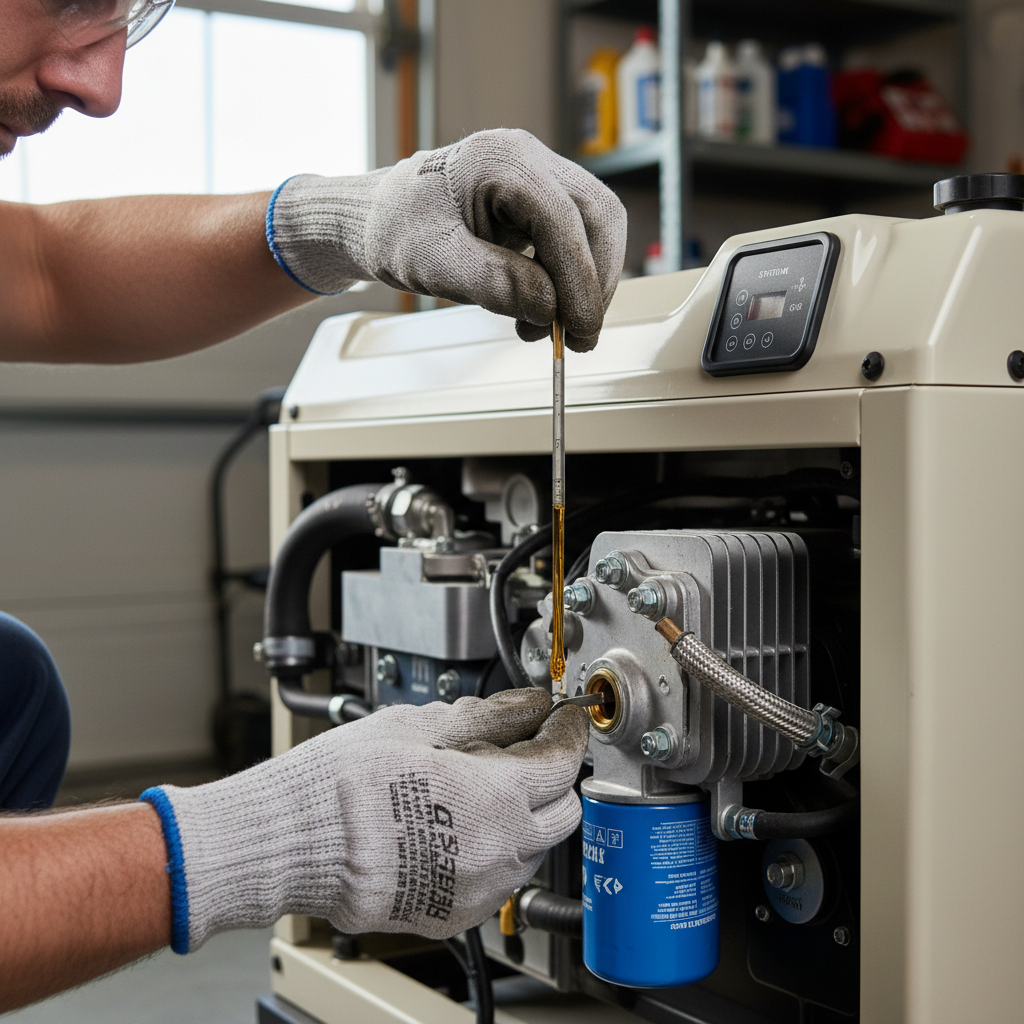
Regular maintenance tasks include oil changes, filter replacements, and system inspections. It's recommended to follow the manufacturer’s guidelines to maintain optimal performance. Engaging a professional for these services can provide peace of mind and ensure all components are functioning correctly.
- Oil Change: Typically required every 100-200 hours of operation.
- Filter Replacement: Essential for keeping the engine clean and efficient.
- System Inspections: Regular checks can prevent unexpected failures.
Additional Costs to Consider
Beyond installation and routine maintenance, there are other costs to consider. These may include fuel costs, battery replacements, and unexpected repairs. Understanding these potential expenses can help you budget more effectively and avoid surprises.

Budgeting for Long-Term Expenses
When planning for a generator, it’s essential to consider the total cost of ownership. This includes initial installation, ongoing maintenance, and any additional expenses that may arise over time. By preparing for these costs, you can ensure your generator remains a reliable source of power.
In conclusion, while the initial cost of installing a generator might seem substantial, understanding and planning for ongoing maintenance and potential additional expenses can make the investment more manageable. Proper budgeting and regular care will ensure that your generator serves you well for many years.